
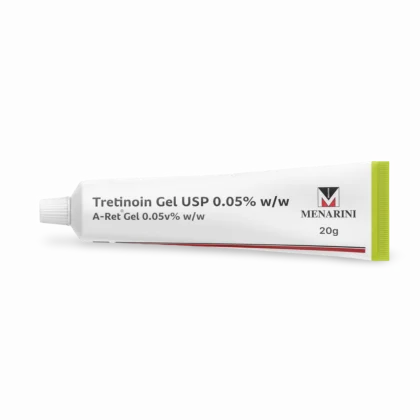
A Ret Gel 0.025% (20 gm)
Accelerates skin cell renewal to clear blocked pores, fade acne marks, and smooth surface lines.
 Acne Treatment
 The Acne Treatment category covers topical and oral medications that address acne vulgaris, comedonal acne, and post-inflammatory hyperpigmentation. Ten formulations are listed below, including common options such as A Ret and Revize Micro (topical retinoids), Aziderm (azelaic acid), CA ATRA (oral isotretinoin), and combination formulas like Triluma for specialized skin care applications.
Accelerates skin cell renewal to clear blocked pores, fade acne marks, and smooth surface lines.
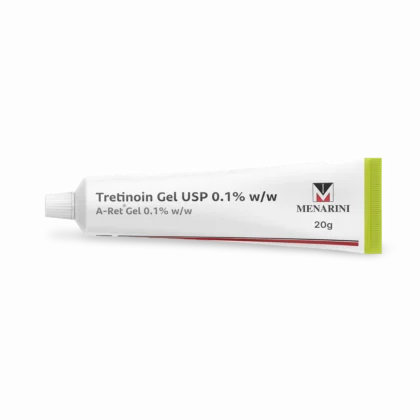
Accelerates skin cell turnover to clear blocked pores, smooth texture, and reduce the appearance of fine wrinkles.
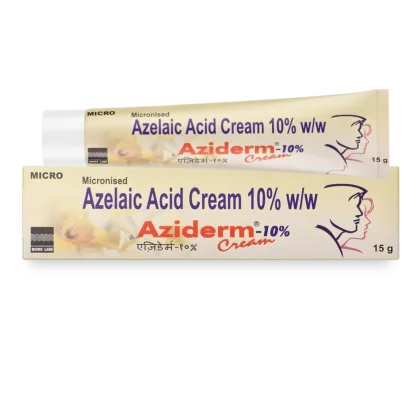
Directly combats acne-causing bacteria and reduces surface inflammation to clear breakouts and even out skin tone.
Reduces acne-causing bacteria and calms skin inflammation to improve texture and clear up uneven pigmentation.
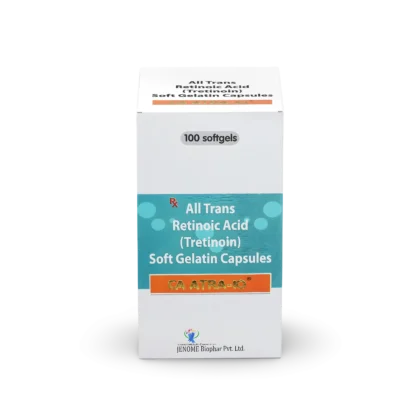
Accelerates skin cell renewal to clear blocked pores, fade acne marks, and smooth surface skin lines.
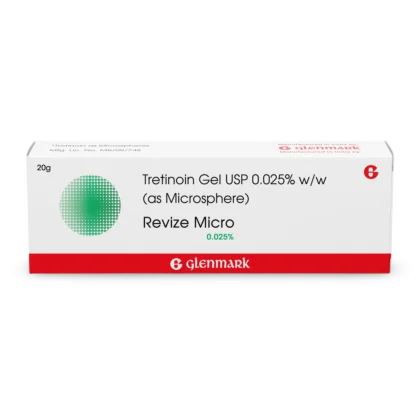
Accelerates skin cell turnover to clear blocked pores, fade acne marks, and smooth surface skin texture.
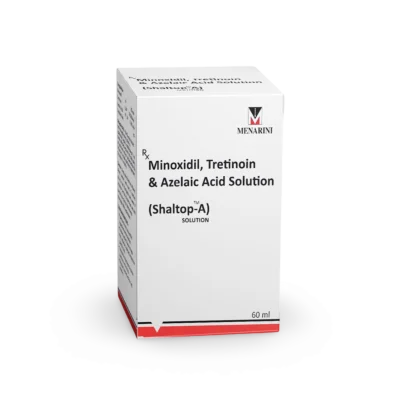
Combining localized stimulation for hair follicles with accelerated cell turnover to clear pores and refine skin texture.
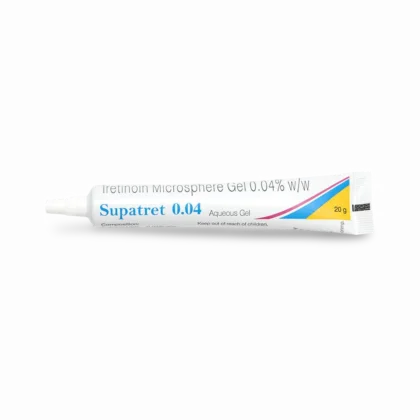
Accelerates skin cell renewal to clear blocked pores, fade acne marks, and smooth surface lines.
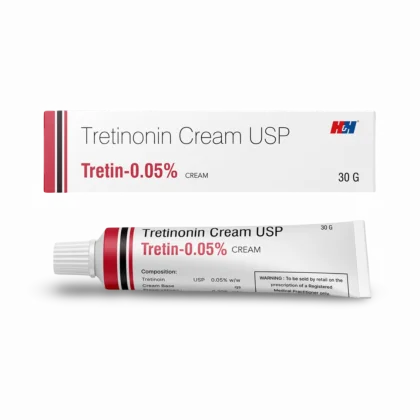
Accelerates skin cell renewal to clear blocked pores, fade acne marks, and smooth surface lines.
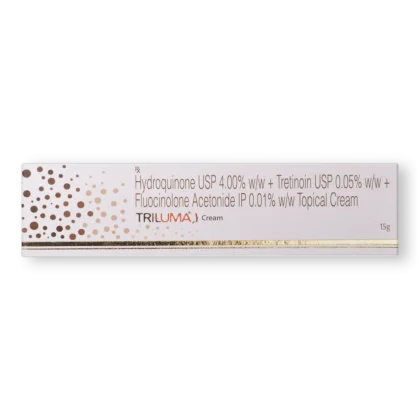
Addresses skin discoloration by slowing melanin production, reducing inflammation, and accelerating the natural cycle of skin turnover.
Acne treatment centers on managing the complex factors that lead to breakouts, including excess oil production, clogged pores, bacterial growth, and inflammation. When these biological factors persist, they often result in persistent skin concerns that transition from superficial blemishes to deeper structural issues. This therapeutic category aggregates various delivery methods designed to normalize skin cell turnover and minimize the environment where bacteria thrive.
These medications are grouped because they share a therapeutic goal: restoring skin barrier health and reducing the appearance of lesions. Whether addressed through agents that speed up cell shedding or through options that neutralize underlying inflammation, the primary objective is to manage breakouts effectively. Many of these formulations require specific application techniques to avoid irritation and ensure they reach the target depth within the skin.
Acne treatment strategies rely on a combination of active ingredients that work by targeting different stages of pore obstruction. First-line approaches typically involve topical applications that clear existing follicular plugs and prevent new ones from forming. In cases where topical therapy alone proves insufficient, oral options may be considered to work body-wide and address severe or widespread inflammatory patterns.
Regulators across international markets, including the United States, United Kingdom, Australia, and Canada, classify these treatments based on their potency and delivery route. Topical retinoids and azelaic acid are frequently used for maintenance and prevention, while potent oral retinoids are reserved for cases that do not respond to external applications. Understanding these distinctions allows patients to align their treatment approach with the specific severity of their skin condition.
The therapeutic landscape for acne is categorized by two primary drug classes: retinoids and acids. Each acts on the skin through distinct biological pathways, and their selection often depends on skin sensitivity and the type of acne present.
Retinoids are derivatives of vitamin A that function by speeding up the natural cycle of skin cell shedding. By keeping pores clear of debris, these formulations prevent the formation of comedones or clogs. They are available in various strengths and textures, such as gels or creams, designed for nightly application to stabilize skin turnover over several weeks.
Azelaic acid provides a dual-action approach by reducing the growth of bacteria and decreasing inflammation. It is often favored for patients who experience skin sensitivity or those dealing with pigmentation concerns alongside their acne. Some formulations also combine multiple active ingredients to address several symptoms at once, providing a more versatile solution for complex skin profiles.
Acne medications, particularly retinoids, often cause initial sensitivity as the skin adjusts to faster cell turnover. It is common to experience dryness, redness, or peeling during the first few weeks of consistent use. Always read the product labeling for instructions regarding application volume and frequency to minimize the risk of irritation.
Individual skin reactivity varies significantly, and what works for one person may be too potent for another. Certain formulations should not be used in combination with other exfoliating or harsh skin care products. Observing how your skin responds to a low-strength formulation before moving to higher concentrations is a standard approach to building long-term tolerance.
Some acne treatments increase skin sensitivity to sunlight, making the frequent use of sunscreen vital regardless of the climate. Additionally, oral medications in this category possess specific contraindications, including pregnancy and certain vitamin A intake restrictions. Product labeling and verified clinical sources remain the correct references for specific contraindications, interactions, and potential reactions.
Acne Treatment includes a range of topical and oral categories designed for dermatology-related concerns. Each product contains specific active ingredients, strengths, and application requirements that must be followed to avoid adverse effects. This page provides an educational overview and does not authorize self-directed selection, clinical interpretation, or unsupervised use of these medications. Readers should review individual product labeling and speak with a qualified healthcare professional when specific clinical judgment is necessary.
Jun 12, 2026 ⋅ 5 min read
A clinical overview of potential side effects, contraindications, and drug interactions associated with common acne treatments to inform patient safety discussions.
Jun 12, 2026 ⋅ 6 min read
An overview of common medications used to manage acne, covering mechanisms of action, active ingredients, and general safety considerations for skin health.
Jun 12, 2026 ⋅ 5 min read
An overview of how different acne treatments work, focusing on how clinicians evaluate options based on efficacy, skin type, and individual patient needs.
Jun 12, 2026 ⋅ 6 min read
An overview of the primary drug classes used to manage acne, including retinoids and antimicrobials, explaining their mechanisms of action and role in skin health.