
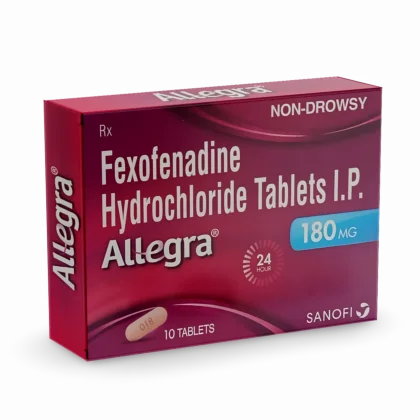
Allegra 180 Mg
Blocks histamine receptors to provide relief from seasonal allergy symptoms without causing traditional drowsiness.
 Allergy Medications
 Allergy medications address a wide range of hypersensitivity reactions, including seasonal rhinitis, allergic conjunctivitis, skin-related irritation, and respiratory inflammation. The seven formulations listed below span key therapeutic classes, including oral antihistamines like Allegra (fexofenadine) and Ciplactin (cyproheptadine), intranasal corticosteroids such as Metaspray (mometasone), and leukotriene modifiers like Montair (montelukast) that support long-term symptom management.
Blocks histamine receptors to provide relief from seasonal allergy symptoms without causing traditional drowsiness.
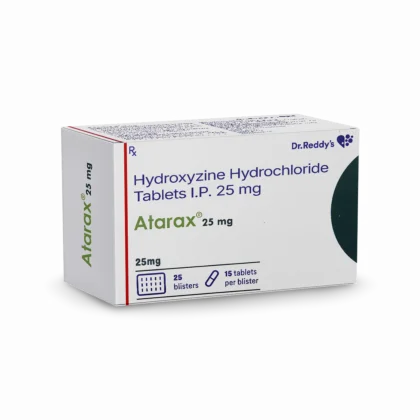
Reduces nerve signals that cause itching and promotes a calming effect by targeting chemical receptors in the brain.

Blocks the allergic response by binding to immunoglobulin E, preventing the inflammation that triggers asthma and hives.

Blocks histamine receptors throughout your body to ease allergy symptoms, itching, and associated sensitivity reactions.

Reduces inflammation in nasal passages to help you manage lingering allergy symptoms throughout the seasons.

Blocks specific inflammatory proteins in the airways to help manage chronic asthma and seasonal allergy symptoms.

Addresses skin discoloration by slowing melanin production, reducing inflammation, and accelerating the natural cycle of skin turnover.
Allergy occurs when the immune system overreacts to foreign substances—such as pollen, pet dander, or dust mites—that are typically harmless to most people. This immune response triggers the release of chemicals like histamine, which cause symptoms such as sneezing, itching, swelling, or airway constriction. Managing these responses effectively depends on identifying the source of the allergen and utilizing the appropriate class of medication to block or dampen the inflammatory cascade.
Individuals across international markets often encounter persistent allergic symptoms that interfere with daily activities. While chronic conditions like allergic asthma or perennial rhinitis require ongoing management, acute reactions may need short-term relief. Understanding how different pharmaceutical classes interact with your immune system is a foundational step in addressing how these sensitivities impact your quality of life.
Allergy treatment involves several drug classes designed to intercept the body’s allergic response at different stages. Antihistamines are frequently used as a first-line option to block the histamine receptors that mediate immediate symptoms like itching and sneezing. Corticosteroids focus on deep-seated inflammation, providing targeted relief for swollen nasal passages or irritated skin, while leukotriene modifiers disrupt the chemical signaling pathways that lead to airway narrowing and congestion.
Regulatory access to these medications varies across global markets. In many regions, mild antihistamines may be available over-the-counter, whereas potent intranasal sprays or complex inhibitors often remain restricted or require a provider’s guidance. The diversity of formulations—ranging from oral tablets and injectables to topical creams and nasal sprays—reflects the variety of ways allergic conditions manifest, from localized skin reactions to systemic respiratory distress.
Treatment options are generally categorized by their delivery method and duration of clinical action. Selecting an appropriate therapy often involves balancing the speed of symptom resolution against the need for sustained, preventative control.
These are the standard choice for controlling localized reactions such as hives, hay fever, and ocular itching. By preventing histamine from binding to receptors in your tissues, they reduce the immediate physical symptoms of an allergic attack. Newer formulations are designed to manage symptoms throughout the day, while others provide shorter, more rapid relief for acute episodes.
Applied as sprays or in specialized topical forms, corticosteroids are potent anti-inflammatory agents. They reduce swelling and sensitivity in the nasal mucosa or skin. Unlike antihistamines that target the immediate reaction, corticosteroids are typically applied to manage chronic, ongoing inflammation related to conditions like allergic rhinitis or dermatitis.
These medications address the underlying chemical signaling processes that lead to inflammation. By blocking leukotrienes—compounds linked to mucus production and airway swelling—they support those managing persistent respiratory sensitivities. This class is often integrated into longer-term management plans for individuals whose symptoms do not improve with antihistamine use alone.
Identify if your symptoms are isolated to a single body system or if they indicate a broader systemic reaction. Certain conditions, such as glaucoma, enlargement of the prostate, or cardiovascular concerns, may influence which drug class is suitable for your situation. Always confirm that your current allergy profile does not include sensitivities to the specific inactive ingredients used in a formulation.
Different classes of allergy medications carry varying profiles regarding impact on alertness and daily function. Some antihistamines are associated with sedation, which can affect your ability to drive or operate machinery, while other classes may cause localized irritation or dryness at the site of application. Tolerability is individual, and response patterns often differ significantly even among products in the same drug class.
Many allergy medications interact with other therapeutic agents, including those addressing cold and flu symptoms, blood pressure, or mental health conditions. Pre-existing liver or renal health statuses may also dictate how your body processes systemic allergy treatments. Product labeling and verified clinical sources remain the correct references for specific contraindications, interactions, and potential reactions.
This information provides an educational overview of allergy and the medication types listed within this category; it is not medical advice. Individual allergy products differ in active ingredients, strength, delivery forms, and specific directions for use. This page does not authorize self-directed selection, clinical interpretation, or unsupervised use of pharmaceutical products. Readers should review individual product labeling and speak with a healthcare professional to identify the safest and most effective approach for their specific health needs.

Jun 12, 2026 ⋅ 5 min read
A clinical overview of the safety profile of allergy medications, covering common side effects, adverse reactions, contraindications, and potential drug interactions.

Jun 12, 2026 ⋅ 6 min read
An overview of common allergy medications, including how different drug classes work to manage symptoms, their primary indications, and key safety considerations for patients.
Jun 12, 2026 ⋅ 5 min read
An overview of how various allergy medications are categorized and selected for treatment, focusing on evidence-based factors like onset, delivery, and patient needs.
Jun 12, 2026 ⋅ 5 min read
A plain-language guide to allergy medication classes, explaining how antihistamines, corticosteroids, and other treatments manage symptoms without recommending specific products.