
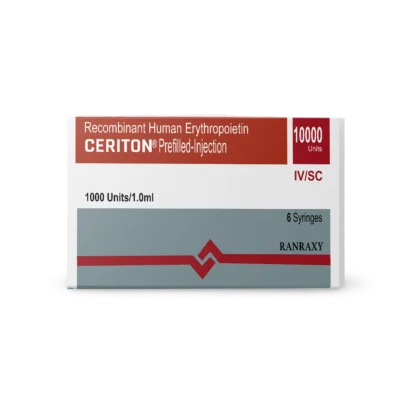
Ceriton Epo 10000 IU 1 ml Injection
Stimulates red blood cell production in the bone marrow to improve oxygen delivery throughout the body.
 Anemia Treatment
 Anemia Treatment includes medications that address anemia caused by chronic kidney disease, chemotherapy, or reduced red blood cell production. The 14 formulations listed below span erythropoietin-stimulating agents, such as Epocept and Ceriton Epo, and darbepoetin alfa options like Darbecure and Kabidarba, designed to support healthy blood cell levels and improve oxygen transport throughout the body.
Stimulates red blood cell production in the bone marrow to improve oxygen delivery throughout the body.

Stimulates red blood cell production in your bone marrow to increase hemoglobin levels and support oxygen delivery.
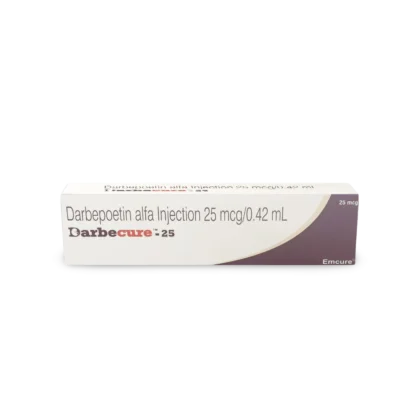
Stimulates red blood cell production in your bone marrow to increase hemoglobin levels and improve oxygen transport.

Stimulates red blood cell production to boost hemoglobin levels and address symptoms of anemia in chronic health conditions.
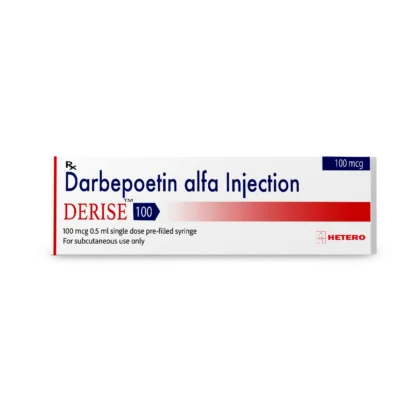
Stimulates red blood cell production in your bone marrow to correct low hemoglobin levels in chronic anemia.

Stimulates red blood cell production in the bone marrow to increase hemoglobin levels and improve oxygen delivery.
Stimulates red blood cell production in the bone marrow to address low hemoglobin levels and associated fatigue.
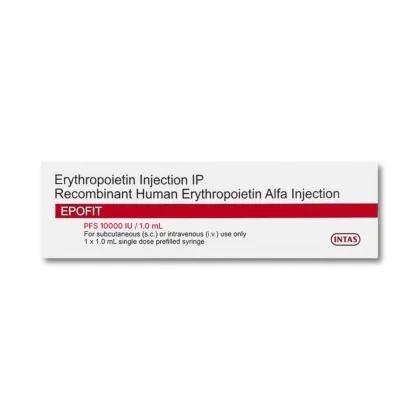
Stimulates red blood cell production in your bone marrow to increase oxygen levels in your bloodstream.

Stimulates red blood cell production in your bone marrow to increase hemoglobin levels and support oxygen transport efficiency.
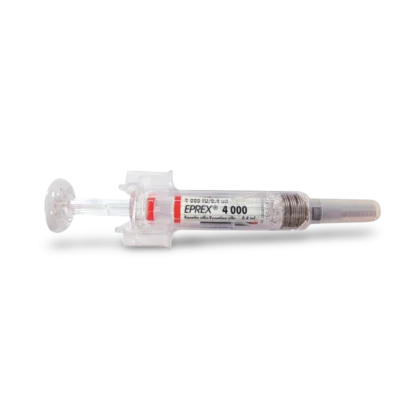
Stimulates red blood cell production in your bone marrow to address deficiencies caused by specific medical conditions.
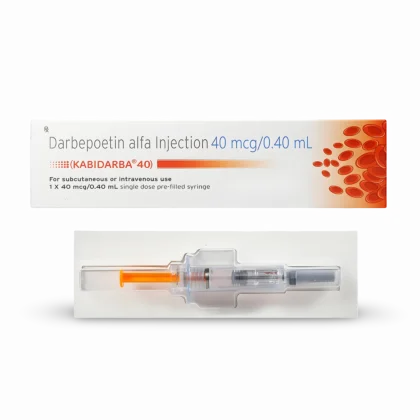
Stimulates red blood cell production in your bone marrow to increase hemoglobin levels and support oxygen transport.
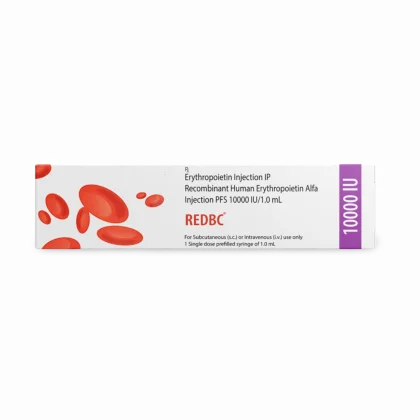
Stimulates red blood cell production in the bone marrow to increase hemoglobin levels and improve oxygen delivery.

Stimulates red blood cell production in your bone marrow to increase oxygen-carrying capacity in your bloodstream.
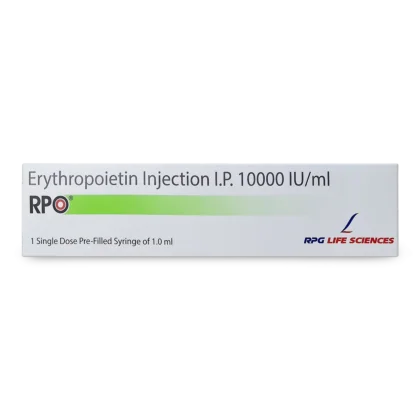
Stimulates red blood cell production in the bone marrow to address anemia resulting from chronic disease states.
Anemia Treatment covers a range of therapies used to manage deficiencies where the body lacks sufficient healthy red blood cells to carry adequate oxygen to tissues. This clinical area often centers on conditions where the bone marrow fails to produce enough red blood cells or where chronic health issues, such as kidney disease or malignancies, interfere with natural blood production. When these systems are disrupted, body-wide fatigue and reduced exercise tolerance are common concerns that require targeted intervention.
These medications are generally categorized by the underlying cause of the condition and the patient’s broader health profile. Because anemia is often a secondary symptom of more complex physiological challenges, treatment focuses on stimulating the production of erythropoietin—a hormone that signals the bone marrow to create more red blood cells—or addressing specific deficiencies that prevent optimal cell maturation.
Medical providers typically select Anemia Treatment approaches based on the root cause of the blood cell deficiency and the patient’s hemoglobin responses. Therapy often involves managing hormone levels that the body may no longer produce in sufficient quantities due to renal impairment or the suppression of bone marrow activity caused by certain medical treatments. By using synthetic versions of these physiological hormones, providers aim to restore steady red blood cell levels.
Across global markets, these formulations are predominantly classified as erythropoiesis-stimulating agents (ESAs). These potent biological molecules require strict oversight, as their use is closely tied to defined hemoglobin targets to minimize potential cardiovascular or proliferative risks. Access to these treatments varies by jurisdiction, with most requiring specialized clinical monitoring to ensure the regimen remains appropriate for the patient’s evolving health status.
The primary medications used in this category function by mimicking the body’s natural signaling molecules. These agents can be divided based on their chemical structure, duration of action, and the specific clinical pathway they address.
These agents, such as epoetin alfa, serve as the foundation for correcting anemia in patients with chronic kidney failure or those undergoing myelosuppressive chemotherapy. They work by binding to receptors in the bone marrow, prompting the release of mature red blood cells into the bloodstream. These typically require consistent laboratory monitoring to ensure that hemoglobin levels move toward the target range without exceeding safety thresholds.
Darbepoetin is a distinct, longer-acting form of erythropoietin that allows for less frequent administration. By modifying the molecular structure, these agents maintain a more stable concentration of the stimulating factor in the blood. This provides a practical alternative for patients who require ongoing maintenance therapy to manage persistent anemia associated with long-term systemic conditions.
Before initiating any hormonal stimulation for blood production, a thorough assessment of iron stores is necessary. Sufficient iron availability is a base requirement for these medications to be effective, as the body cannot produce new red blood cells without the necessary building blocks regardless of hormonal signaling.
While generally well-tolerated when dosed per clinical guidelines, these medications carry risks related to the rate of hemoglobin increase. Rapid changes in blood count can lead to elevated blood pressure or other circulatory adjustments that require medical supervision. Sustained elevations in blood pressure are a commonly monitored risk during the initial weeks of treatment.
Patients with existing cardiovascular conditions may require additional caution, as the effect of these medications on the vascular system is significant. Furthermore, because these agents can influence cell growth, they are generally avoided in specific oncology settings where the goal of therapy is curative, as they might theoretically interact with tumor progression. Product labeling and verified clinical sources remain the correct references for specific contraindications, interactions, and potential reactions.
Anemia Treatment options are complex biological medications intended for the management of specific conditions under professional guidance. Individual products vary significantly in active ingredient, dose per milliliter, and administration frequency. This page provides educational context and does not authorize self-directed selection, clinical interpretation, or unsupervised use of erythropoiesis-stimulating agents. Readers should review individual product labeling and speak with a healthcare professional to identify the appropriate regimen for their specific health status.

Jun 12, 2026 ⋅ 6 min read
A clinical guide to understanding the safety profile of anemia treatment medications, including common side effects, severe risks, contraindications, and potential interactions.

Jun 12, 2026 ⋅ 6 min read
A guide to understanding common medication classes used in anemia management, how they address nutrient deficiencies or production issues, and general safety considerations.
Jun 12, 2026 ⋅ 5 min read
An overview of erythropoiesis-stimulating agents like Epoetin Alfa and Darbepoetin Alfa, focusing on how clinical profiles and administration frequency guide treatment decisions for anemia management.
Jun 12, 2026 ⋅ 5 min read
An overview of the different pharmacological classes used to manage anemia, explaining their mechanisms of action and clinical application in a patient-focused format.