
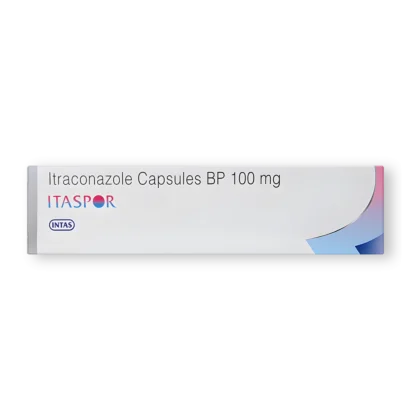
Itaspor 100 mg
Prevents fungal cell membrane production, effectively addressing systemic and localized fungal infections in various tissue types.
 Antifungals Medications
 Antifungals are medications used to treat fungal infections, ranging from minor skin irritations to more serious systemic conditions. This category includes four specific formulations, such as Itaspor (itraconazole) in 100 mg and 200 mg strengths, the topical agent Natamet (natamycin) 5% 3 ml suspension, and the oral tablet Nuforce (fluconazole) 150 mg.
Prevents fungal cell membrane production, effectively addressing systemic and localized fungal infections in various tissue types.
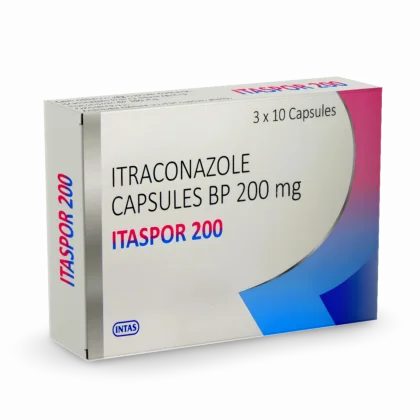
Targets fungal cell membrane production to stop the spread of infection throughout your body tissues.
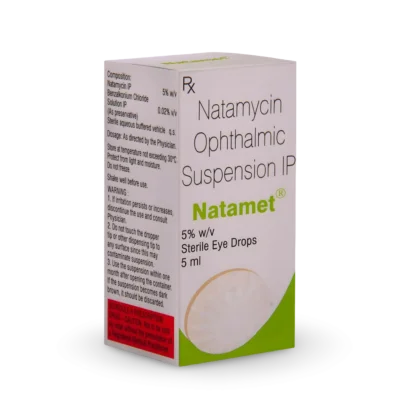
Targets fungal growths in ocular tissue by binding to sterols and disrupting fungal cell wall integrity.
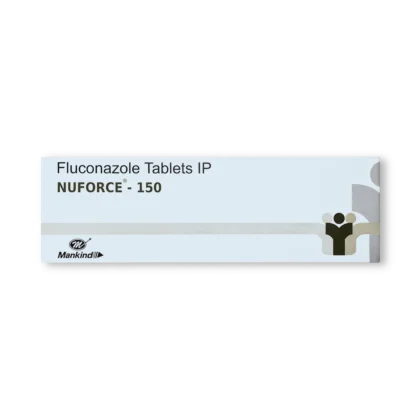
Targets fungal cells by disrupting their membrane synthesis to stop the spread of infection throughout the body.
Antifungal medications encompass a broad range of treatments designed to combat infections caused by various fungal species. These infections can manifest on the skin, nails, or mucous membranes, or they may affect internal organs if the immune system is significantly compromised. Because fungi possess cellular structures distinct from human cells, these medications act specifically to disrupt fungal growth or destroy the fungal cell membrane.
The scope of this category covers superficial conditions such as athlete’s foot, nail fungus, and candidiasis, as well as more complex systemic fungal illnesses. While the method of application varies, the primary goal remains the eradication of the infecting organism to restore tissue health. Understanding which type of infection is present is necessary to choose the appropriate delivery method, as systemic and topical formulations serve different clinical roles.
Treatment approaches for fungal infections depend heavily on the location of the infection and the species of fungi involved. Broadly, these medications are grouped into systemic agents—which circulate through the bloodstream to treat internal or chronic conditions—and topical agents, which are applied directly to the affected site for localized relief.
Across global markets, these medications are classified based on their chemical structure and the mechanism through which they stop fungal reproduction. Common classes include azole derivatives, which interfere with the production of ergosterol in the fungal cell membrane, and polyene antibiotics, which bind to these membranes to cause cell leakage. The choice between an oral tablet or a liquid suspension often relies on the patient’s health history and the specific requirements of the infection being addressed.
The medications listed in this category represent distinct pharmacological approaches to managing fungal overgrowth or infection.
Oral treatments are usually reserved for chronic or persistent infections that do not respond to topical therapy or for cases where the infection has spread deeper into the tissues or nails. These agents are processed by the body and reach the site of infection through systemic circulation. By consistently maintaining appropriate concentrations in the body, they address fungal colonies that are inaccessible to surface treatments.
Topical formulations are designed for direct application to the skin or, in some cases, the eyes. These medications work by creating an environment on the surface of the tissue that prevents fungal cells from multiplying. Because they work locally, they typically cause fewer body-wide effects, making them a common approach for clear-cut, superficial fungal issues located on the skin’s surface or mucosal linings.
Fungal treatments require a clear diagnosis of the infection type. Using an incorrect medication class may cause the infection to persist or progress. Factors such as current liver or kidney function are often evaluated, as these organs are primarily involved in processing systemic antifungal medications.
Different classes of antifungals affect the body in unique ways. Some patients may experience skin irritation with topical applications, while oral agents may affect digestive comfort or, in some cases, liver enzyme levels. Monitoring for persistent discomfort is a standard part of the treatment process that patients discuss with their providers.
Antifungals may interact with other medications, particularly those metabolized by the liver. It is essential to discuss all current prescriptions and supplements with a provider to avoid unintended interactions. Product labeling and verified clinical sources remain the correct references for specific contraindications, interactions, and potential reactions.
This information provides an educational overview of antifungals and the medication classes listed here; it is not medical advice. Individual products differ in active ingredient, formulation, strength, and directions. This page does not authorize self-directed selection, clinical interpretation, or unsupervised use. Readers should review individual product labeling and speak with a healthcare professional when clinical judgment is needed to ensure the chosen treatment is appropriate for their individual health situation.