
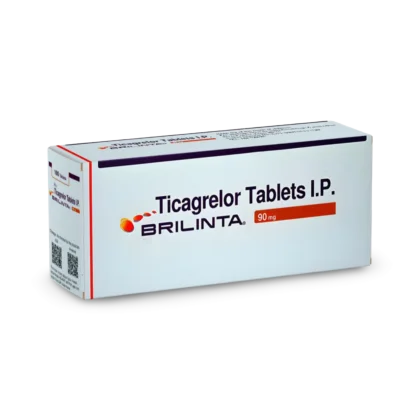
Brilinta 90 Mg Tablet
Reduces the formation of blood clots by preventing platelets from clumping together in your vascular system.
 Blood Thinners Medications
 Blood Thinners medications, also known as anticoagulants and antiplatelet agents, are used to manage conditions related to blood clotting, such as atrial fibrillation, deep vein thrombosis, and stroke prevention. These medications help maintain healthy circulation by preventing the formation of clots. Three formulations are listed, including Brilinta (ticagrelor) and two strengths of Eliquis (apixaban).
Reduces the formation of blood clots by preventing platelets from clumping together in your vascular system.
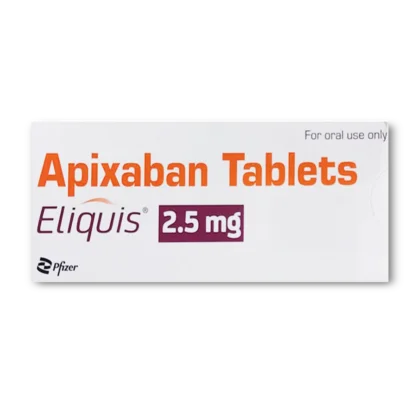
Reduces the risk of blood clots and stroke by blocking a specific clotting factor in your blood.
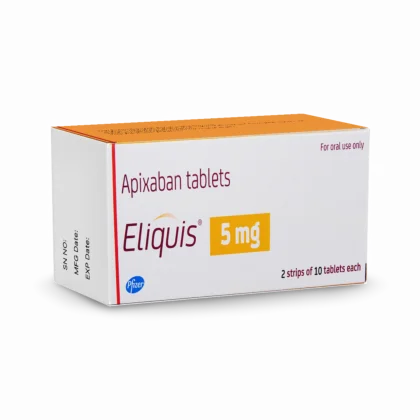
Blocks specific clotting proteins to lower the risk of unwanted blood clots forming in your body.
Blood Thinners are a critical class of medications designed to influence how your blood clots, either by stopping existing clots from growing or preventing new ones from forming. These conditions are linked by a shared focus on cardiovascular health and the reduction of risks associated with vascular blockages. Patients are typically initiated on these therapies when diagnosed with conditions where blood flow is restricted or prone to stagnation.
Because blood clotting is a complex biological process, these medications are used to address various clinical needs. Some patients require these treatments to manage chronic heart rhythm issues like atrial fibrillation, while others receive them following a cardiac event to lower the likelihood of subsequent complications. By controlling the clotting mechanism, these medications serve as a component in long-term cardiovascular health management.
Effective management of blood clotting disorders involves using medications that target specific proteins or pathways in the blood. The treatment landscape is primarily divided into two main categories: anticoagulants and antiplatelet agents. Anticoagulants generally work by interfering with the proteins that cause blood to thicken, while antiplatelet agents prevent blood cells from clumping together to form a clot.
The choice between these classes often depends on the specific condition being treated, such as coronary artery disease or high stroke risk, and the patient’s individual health history. These medications are strictly regulated across global markets, including in the United States, United Kingdom, Australia, and Canada. Because these drugs directly affect your body’s ability to heal wounds and stop bleeding, they require careful monitoring by a healthcare provider.
Medications in this category are distinguished by their mechanism of action and the specific cardiovascular risks they address. Although they are collectively referred to as Blood Thinners, they do not actually thin the blood; rather, they alter its consistency to prevent harmful clots.
Anticoagulants are typically prescribed for conditions where blood pooling could lead to dangerous clots, such as in the chambers of the heart or the deep veins of the legs. By slowing down the body’s clotting factors, they ensure that blood continues to flow smoothly through vessels. This class is often a primary consideration for patients with heart rhythm irregularities.
Antiplatelet agents target the platelets in your blood, preventing them from adhering to one another or to the walls of your blood vessels. These are frequently used to prevent clots that might block a coronary artery. Their role is essential in managing conditions where arterial damage or plaque buildup exists, as they help avoid blockages that could lead to heart attacks or other ischemic events.
Before initiating any treatment involving these medications, it is necessary to consider your full medical history, specifically any history of bleeding disorders, recent surgeries, or upcoming dental procedures. Your provider must assess the risk of bleeding against the benefits of preventing harmful clots.
Different classes of these medications may cause varying levels of concern regarding sensitive areas of the body. While these drugs prevent internal blockages, they also mean that any potential wounds or injuries may bleed for a longer duration than usual. Monitoring for signs of unusual bruising or prolonged bleeding is standard practice for anyone using these therapies.
These medications interact with a wide range of other substances, including common pain relievers, herbal supplements, and other cardiac drugs. Your body’s ability to process these agents may also be affected by how well your kidneys and liver are functioning, as these organs are responsible for filtering or neutralizing the medication. Product labeling and verified clinical sources remain the correct references for specific contraindications, interactions, and potential reactions.
Anticoagulant : A medication that interferes with the body’s clotting proteins to prevent clots from forming or growing.
Antiplatelet : A medication that prevents blood cells from sticking together, which is crucial for preventing arterial blood clots.
Atrial Fibrillation : An irregular, rapid heart rhythm that can cause blood to pool in the heart and increase the risk of clots.
This information provides an educational overview of medication classes typically used to manage cardiovascular clotting risks and is not medical advice. Individual products differ regarding their specific active ingredients, strengths, and intended use. This page does not authorize the self-directed selection of medications, clinical interpretation of symptoms, or unsupervised use of any therapy. Readers should always review the product labeling provided by the manufacturer and speak with a healthcare professional to determine if a treatment is appropriate.