
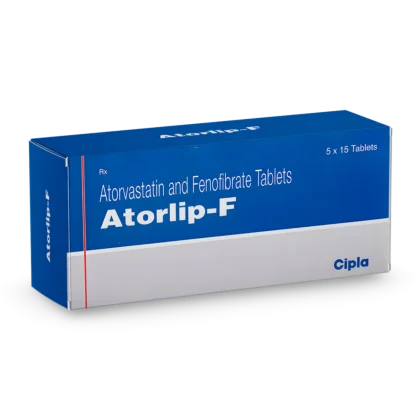
Atorlip F 10+145 Mg
Controls lipid production and lowers triglyceride levels to improve heart health markers and lipid profiles.
 Cholesterol Medications
 The Cholesterol category includes medications that assist in managing high lipid levels and overall cardiovascular health. These treatments address conditions such as hyperlipidemia and cardiovascular risk management. The 11 formulations listed below represent major drug classes, including HMG-CoA reductase inhibitors (statins) like Crestor and Lipvas, and fibrates like Lipicard, alongside combined lipid-lowering agents.
Controls lipid production and lowers triglyceride levels to improve heart health markers and lipid profiles.
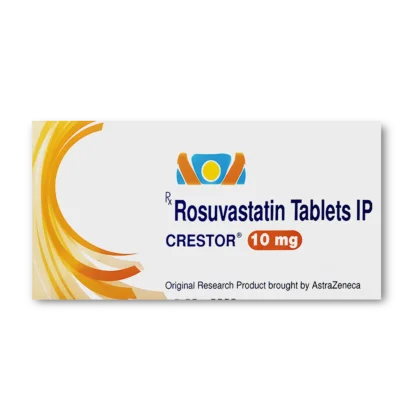
Reduces bad cholesterol and fats in the blood, supporting heart health and long-term cardiovascular stability.
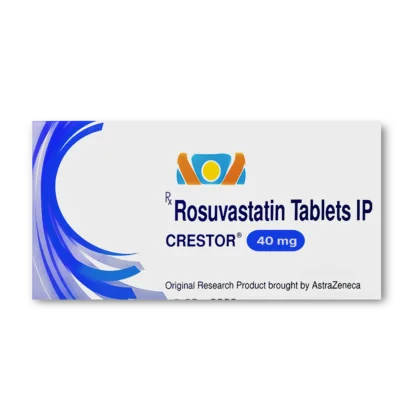
Reduces bad cholesterol and inflammation in blood vessels to help lower the risk of cardiovascular events.
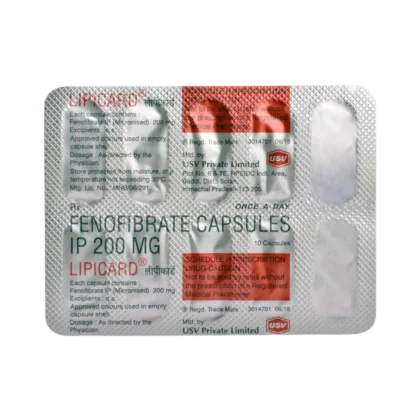
Supports healthy lipid levels by breaking down fats in the bloodstream and reducing triglyceride production.
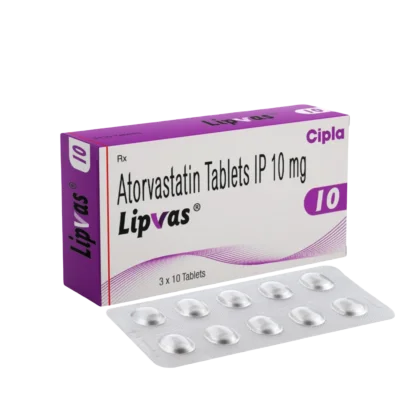
Reduces cholesterol production in the liver to improve heart health markers and support long-term cardiovascular stability.
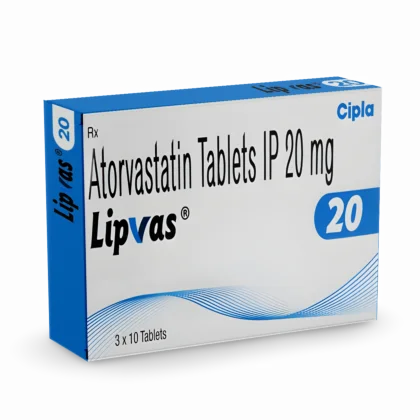
Reduces cholesterol production in the liver to support cardiovascular health and lower potential long-term heart risks.
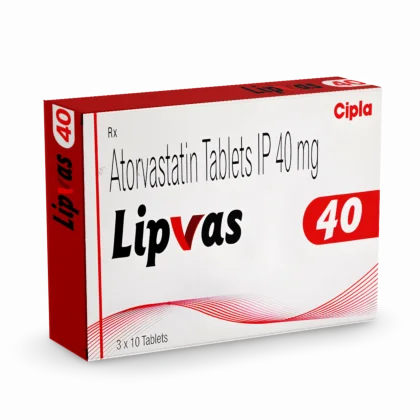
Reduces cholesterol production in your liver to support cardiovascular health and lower the risk of arterial plaque.
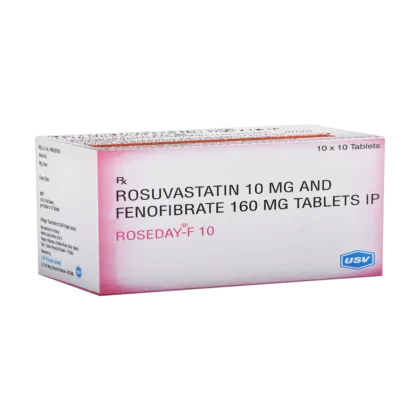
Dual-action combination that lowers harmful cholesterol while targeting high triglycerides to support overall cardiovascular health.
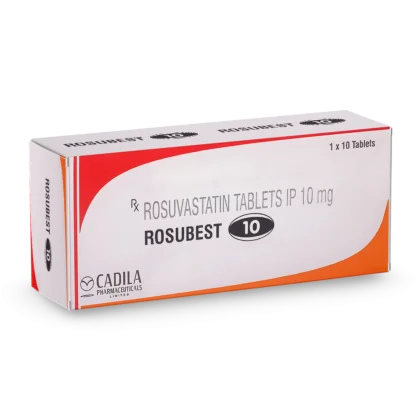
Blocks the liver enzyme responsible for cholesterol production to lower blood lipid levels and support cardiovascular health.
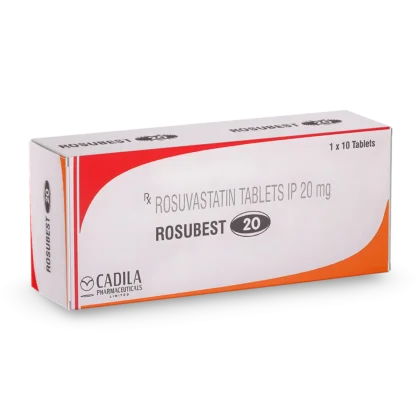
Blocks an enzyme in your liver to lower blood cholesterol levels and support heart health.
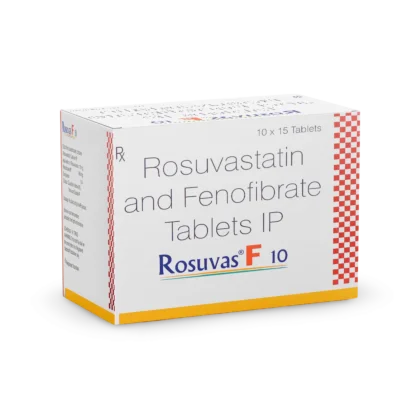
Combined therapy that lowers LDL cholesterol and triglycerides to support cardiovascular health and reduce lipid levels.
Cholesterol is a waxy substance found in your blood that, when present in excessive amounts, may lead to the buildup of plaque within your arteries. This condition, often referred to as hyperlipidemia, restricts blood flow and increases the pressure on your cardiovascular system. Effectively managing lipid profiles is a core strategy for lowering the likelihood of future heart-related health events.
Medications in this category are designed for individuals whose cholesterol levels remain elevated despite dietary and lifestyle adjustments. By targeting the production or metabolism of fats in the liver, these treatments work to restore balance to your blood chemistry. Healthcare providers typically use these options as part of a long-term plan to protect arterial function and heart health.
Treatment for abnormal cholesterol often involves classes of medication that act on different pathways of lipid metabolism. Statins are widely used as the primary option to block an enzyme in the liver that produces cholesterol. When statins alone do not achieve desired targets, other classes such as fibrates may be incorporated to specifically target high triglyceride levels, which are another form of blood fat that impacts cardiovascular risk.
The classification of these medications varies across global markets, such as the United States, United Kingdom, Australia, and Canada, where they are almost exclusively available through a prescription. Because these treatments interact with specific metabolic pathways, the choice of class depends on a patient’s unique health markers, such as LDL (low-density lipoprotein) levels versus triglyceride counts.
The diverse range of cholesterol-lowering agents allows for a tailored approach to lipid management. These medications are generally categorized by their primary mechanism of action and the specific lipid component they address most effectively.
Statins act by inhibiting the liver enzyme HMG-CoA reductase, which is essential for cholesterol synthesis. By lowering the amount of cholesterol produced internally, these medications prompt the body to clear existing cholesterol more efficiently from the blood. They are commonly recommended for reducing LDL cholesterol and stabilizing plaque within the vessel walls.
Fibrate medications represent a distinct class that primarily targets high triglyceride levels while providing a modest increase in HDL cholesterol, often called the “good” cholesterol. These are frequently used when triglycerides are the dominant issue in a patient’s lipid profile. In some cases, they are used in combination with other agents to provide a comprehensive approach to lipid management.
Some products combine multiple active ingredients to offer a dual-action effect. These formulations allow for simultaneous targeting of cholesterol synthesis and triglyceride production. Such combinations are often useful for patients who require multi-faceted intervention to bring their blood lipid numbers into a healthy range.
Before beginning any cholesterol-lowering regimen, it is necessary to assess baseline liver function and determine if other existing health conditions might influence how the medication is processed. Your provider will typically monitor your liver health through periodic blood tests, as certain medications can affect liver enzymes over time.
Muscle-related sensations, such as aches or weakness, are sometimes reported across the statin class. While most individuals tolerate these medications well, any changes in muscle health or unexplained discomfort should be addressed with a professional promptly. Fibrates carry their own unique profile and may require careful monitoring when used alongside other lipid-targeting drugs.
Cholesterol medications can interact with a variety of other substances, including certain dietary supplements, grapefruit products, and other pharmaceuticals. These interactions may influence how effectively the drug is processed or increase the likelihood of side effects. Product labeling and verified clinical sources remain the correct references for specific contraindications, interactions, and potential reactions.
This category overview covers medications used for managing cholesterol and related lipid profiles; it is for educational purposes and is not formal medical advice. Individual cholesterol products vary significantly in active ingredients, dosage strengths, and therapeutic goals. This page does not authorize self-directed selection, clinical interpretation, or unsupervised use of any pharmaceutical product. Readers should review individual product labeling and speak with a healthcare professional to determine the appropriate treatment based on their specific diagnostic needs and medical history.
Jun 12, 2026 ⋅ 5 min read
An overview of common side effects, potential risks, and drug interactions associated with cholesterol-lowering medications, emphasizing safe use and clinical monitoring.
Jun 12, 2026 ⋅ 6 min read
An overview of common cholesterol-lowering medications, covering how they work, the main drug classes, and key safety considerations for patients managing lipid levels.
Jun 12, 2026 ⋅ 6 min read
Understand the different classes of cholesterol medications, how they function, and the clinical factors that influence their use in managing lipid profiles.
Jun 12, 2026 ⋅ 5 min read
An overview of the primary medication classes used to manage cholesterol levels, explaining their distinct mechanisms of action and how they affect lipid profiles.