
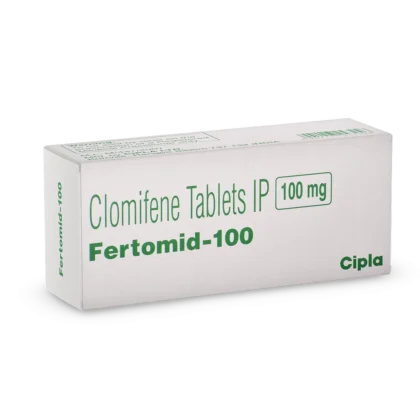
Fertomid 100 Mg Tablet
Supports ovulation by signaling the pituitary gland to increase hormones necessary for egg development and release.
 Fertility Medications
 Fertility medications are used to support reproductive health, manage hormonal balance, and address challenges related to conception. The six formulations listed below include various drug classes for specialized care, such as selective estrogen receptor modulators like Fertomid and Siphene, alongside high-purity gonadotropins such as Humog, Menotas, and Ivf M to assist in follicle development.
Supports ovulation by signaling the pituitary gland to increase hormones necessary for egg development and release.
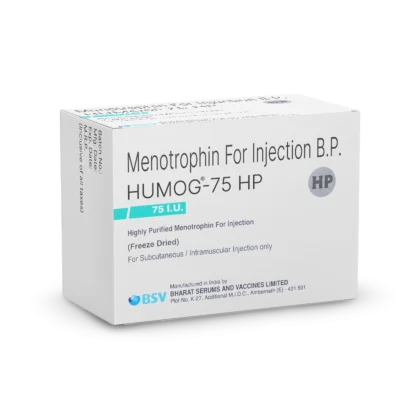
Promotes follicular development and egg maturation to support reproductive success in controlled clinical environments.
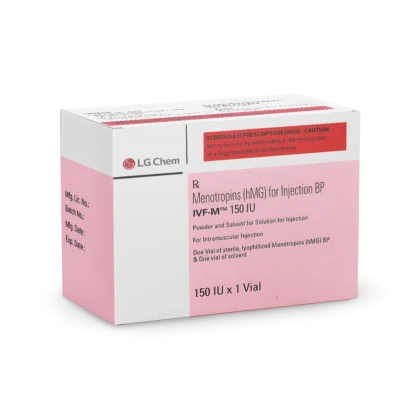
Promotes follicular development and egg maturation by mimicking natural reproductive hormones to support conception outcomes.
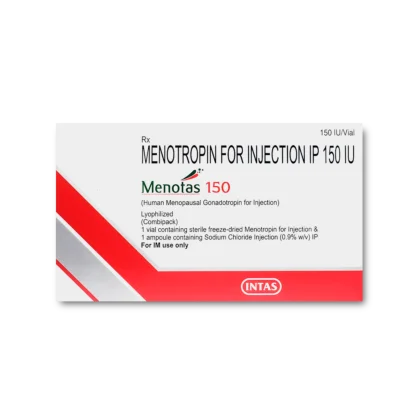
Supports natural follicular development by mimicking hormones that guide the maturation of eggs within the ovaries.

Stimulates the release of hormones necessary for egg development and release to support ovulation cycles.
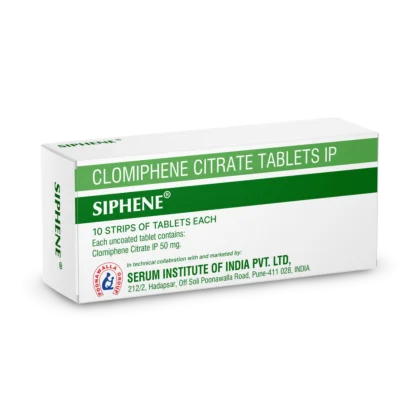
Stimulates the release of hormones by the pituitary gland to encourage regular ovulation in women.
Fertility refers to the natural biological capacity to conceive and carry a pregnancy. When individuals encounter difficulty in this process, various clinical approaches may be utilized to identify underlying factors and provide support. This therapeutic category focuses on medications that address hormonal imbalances, irregular ovulation, and the requirements of assisted reproduction.
These medications are typically evaluated within an overall health assessment. Providers may investigate factors such as thyroid function, structural health, and hormone levels to determine if pharmaceutical support is appropriate. By prioritizing reproductive wellness, these treatments aim to facilitate the necessary biological conditions for conception to occur.
Treatment in this category usually involves regulating the reproductive cycle through hormones or medication that encourages the ovaries to release eggs. The choice of treatment depends on the specific cause of the fertility challenge, ranging from simple hormonal fluctuations to more complex requirements identified during reproductive diagnostic procedures.
Drug classes in this category primarily work by stimulating the ovaries or optimizing the environment for conception. Medications like selective estrogen receptor modulators act by signaling the body to increase the production of natural hormones necessary for ovulation. Meanwhile, gonadotropin injections provide the hormones directly to help follicles mature, which is commonly required in procedures like in vitro fertilization (IVF).
There are two primary approaches for managing fertility challenges: oral medications and injectable treatments. Each class serves a different role in the cycle, often chosen based on the stage of the reproductive plan or the specific needs identified by a fertility specialist.
SERMs are often the first oral option used to encourage natural ovulation. They work by blocking estrogen receptors in the brain, which triggers the release of hormones that signal the ovaries to produce and release an egg. These tablets are typically taken during specific days of a person’s cycle to time the release of eggs accurately.
Gonadotropins are injectable medications that contain hormones produced naturally by the body to stimulate the development of multiple follicles. These are typically used when oral options are insufficient or when a more precise, controlled stimulation of the ovaries is required for medical interventions. They are administered through precise, regulated injections under professional guidance to monitor how the ovaries respond over time.
Before beginning any fertility-related medication, a complete health evaluation is necessary to identify potential contraindications. Specialists often perform diagnostic scans and blood work to assess individual hormone levels as these medications significantly impact the reproductive system. Factors such as pre-existing conditions or a history of specific cysts may influence whether a particular class of medication is suitable for your situation.
Different classes of fertility medications may lead to various physical sensations as the body responds to hormonal changes. Common observations include mild pelvic discomfort, mood shifts, or tenderness as the ovaries increase activity. These effects are often monitored by staff during the treatment cycle to ensure the medication is functioning according to the clinical plan and to manage any discomfort that arises.
Fertility medications can interact with other prescriptions, supplements, or specific health indicators related to your metabolic and cardiovascular profile. Your provider requires a full account of all current medications, including over-the-counter vitamins, to prevent unfavorable interactions. Product labeling and verified clinical sources remain the correct references for specific contraindications, interactions, and potential reactions.
Fertility medications comprise a diverse group of pharmacological agents designed to address reproductive challenges, including ovulation induction and hormonal support. Individual products differ significantly in active ingredient, formulation, delivery route, and recommended usage based on specific clinical needs. This page provides general educational information and does not authorize self-directed selection, clinical interpretation, or unsupervised use. You should review individual product labeling and speak with a healthcare professional when clinical judgment is required for your specific fertility journey.
Jun 12, 2026 ⋅ 5 min read
An analytical guide comparing fertility medication options like Clomifene and Menotrophin, focusing on clinical factors such as efficacy, dosage, and patient-specific considerations.
Jun 12, 2026 ⋅ 6 min read
A clinical overview of potential side effects, severe adverse reactions, contraindications, and drug interactions associated with fertility medications.
Jun 12, 2026 ⋅ 6 min read
An objective overview of common fertility medications, their mechanisms of action, and primary indications. Designed for informational purposes.
Jun 12, 2026 ⋅ 5 min read
A guide to the main drug classes used in fertility treatment, explaining their mechanisms of action and common clinical applications for patient awareness.