
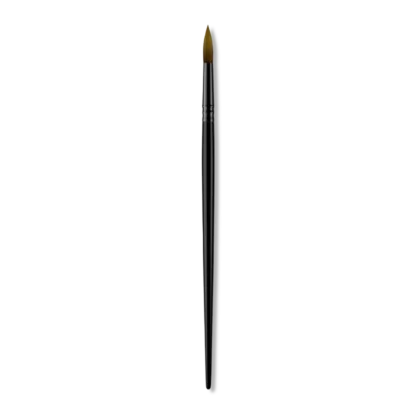
Actavis Bimatoprost (With Brush) 300 mcg (0.03%)
Reduces elevated pressure within the eye by increasing the outflow of fluid from the eye chamber.
 Glaucoma Medications
 Glaucoma medications address elevated intraocular pressure, which is a major risk factor for optic nerve damage and vision loss. The 9 formulations listed below focus on prostaglandin analogs and combination therapies, including various strengths and configurations of bimatoprost-based solutions, such as Careprost, Bimat, and Bimaday, designed to promote fluid drainage within the eye.
Reduces elevated pressure within the eye by increasing the outflow of fluid from the eye chamber.
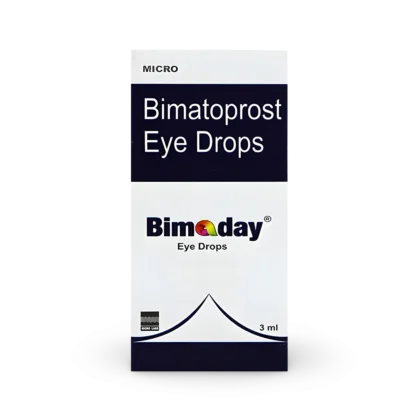
Reduces intraocular pressure by increasing the natural outflow of fluid from the chambers of the eye.
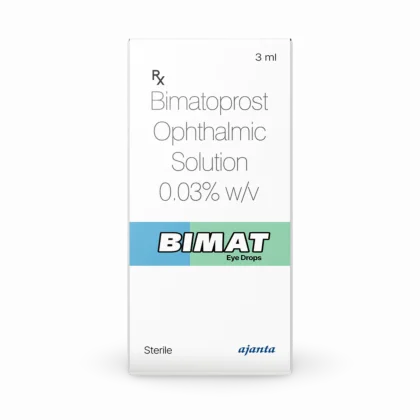
Reduces intraocular pressure by increasing fluid drainage from the eye to maintain healthy optic nerve function.
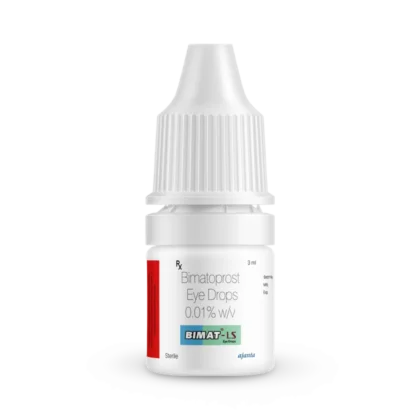
Increases the outflow of fluid from the eye to lower pressure or stimulates hair follicle growth.
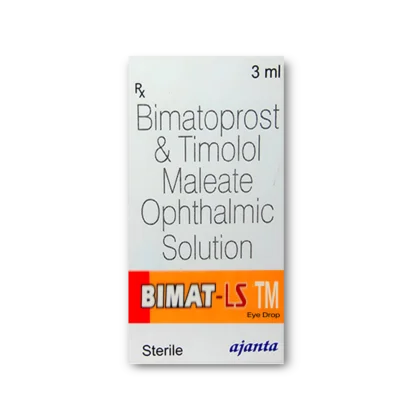
Reduces intraocular pressure by increasing fluid drainage and lowering production rates in the eye tissue.
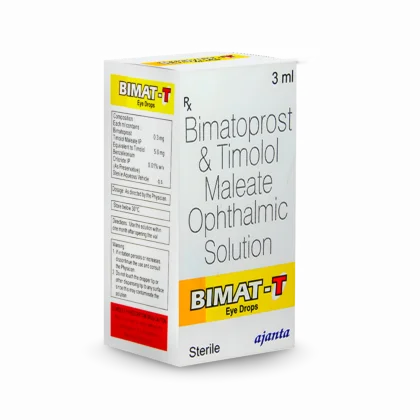
Reduces elevated fluid pressure within the eye by increasing drainage and curbing excess fluid production.
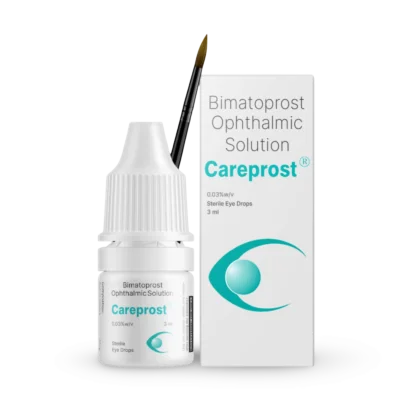
Reduces intraocular pressure in the eye by increasing fluid drainage and modifies eyelash growth patterns.
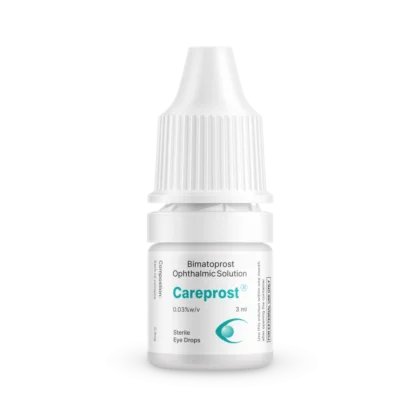
Reduces intraocular pressure by promoting fluid outflow and stimulates eyelash growth through follicle cycle extension.
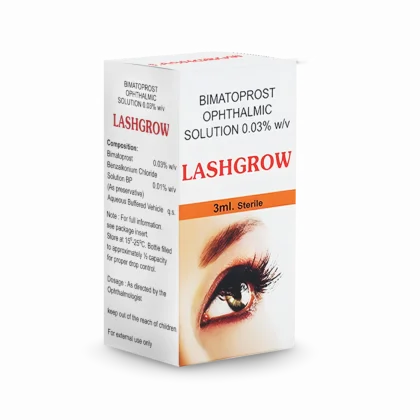
Increases the thickness and length of eyelashes while lowering elevated pressure within the eye chamber.
Glaucoma refers to a group of eye conditions that damage the optic nerve, the health of which depends on maintaining normal pressure inside the eye. When fluid in the eye does not drain correctly, pressure increases. Over time, this pressure causes structural changes to the nerve, often leading to a gradual loss of vision that may remain unnoticed until it is advanced.
These medications are primarily used for individuals diagnosed with open-angle glaucoma or ocular hypertension, a condition where eye pressure is consistently higher than normal but optic nerve damage has not yet occurred. The underlying mechanism for all these treatments involves either increasing the outflow of fluid from the eye or reducing the production of that fluid. By balancing this internal pressure, the medications assist in preserving the function of the optic nerve and slowing the progression of vision-related symptoms.
Treatment for glaucoma focuses on lowering intraocular pressure to a target level determined by a healthcare provider. Because glaucoma is often a chronic condition, treatment usually requires the consistent, long-term application of medicated eye drops. These drops are classified based on how they alter the movement of fluid within the eye’s anterior chamber.
Prostaglandin analogs represent a primary class of medication in this category, working by relaxing specific muscles in the eye to increase the drainage of intraocular fluid. Other medications may include beta-blockers, alpha-agonists, or carbonic anhydrase inhibitors, which generally function by limiting the amount of fluid the eye produces. In some cases, healthcare providers prescribe combination drops that contain two different active ingredients to provide a multi-faceted approach to pressure reduction. Patients across international markets access these treatments through pharmacy channels, though the specific class chosen depends on a patient’s individual pressure profile and existing health factors.
Medications in this category differ primarily by their mechanism of action and the way they affect the eye’s natural drainage system.
These are among the most frequently used topical options for long-term pressure management. They work by increasing the outflow of aqueous humor—the fluid that fills the front part of the eye—through the uveoscleral pathway. These formulations are typically applied once daily and are known for their ability to maintain steady intraocular pressure levels over a 24-hour period.
Combination eye drops include varying concentrations of active ingredients to target pressure from two different directions simultaneously. These are used when a single medication is insufficient to maintain the target pressure. These drops streamline the regimen for patients who might otherwise need to use multiple individual bottles throughout the day, simplifying the application process and promoting consistent adherence to the treatment plan.
Before initiating any medication for glaucoma, it is necessary to identify the specific type and severity of the condition. Ocular hypertension and open-angle glaucoma require different considerations regarding target pressure levels. A healthcare provider must evaluate the eye’s anatomy and current nerve health to ensure that the chosen medication is appropriate for the patient’s individual needs.
Topical eye medications can cause localized reactions such as redness, itching, or a sensation of dryness. Some classes of medication may also lead to pigmentation changes in the iris or hair growth changes around the eyelid area. These effects vary significantly between patients, and the choice of medication often involves balancing effective pressure reduction with the patient’s tolerance for these localized side effects.
Glaucoma medications can interact with other systemic conditions, particularly those involving the cardiovascular or respiratory systems. Ingredients in drops may be absorbed into the bloodstream, which is important to consider if a patient has existing concerns such as bradycardia, asthma, or chronic obstructive pulmonary disease. Product labeling and verified clinical sources remain the correct references for specific contraindications, interactions, and potential reactions.
This category includes various ophthalmic solutions used to address elevated intraocular pressure and associated glaucoma conditions. These medications are not interchangeable, as every product varies by active ingredient, concentration, and formulation type. The information provided here is for educational purposes only and does not constitute medical advice, diagnosis, or an endorsement of self-directed treatment. Readers must review individual product labeling and consult with a qualified healthcare professional to ensure any selected treatment is safe and appropriate for their clinical situation.
Jun 12, 2026 ⋅ 5 min read
An overview of how different glaucoma medications function, looking at efficacy, administration, and patient factors considered in clinical decision-making.
Jun 12, 2026 ⋅ 6 min read
A clinical overview of glaucoma medication safety, detailing common side effects, potential adverse reactions, contraindications, and important drug interactions for patients.
Jun 12, 2026 ⋅ 6 min read
A comprehensive guide to common glaucoma medications, explaining the main drug classes, how they function to lower eye pressure, and important safety considerations for patients.
Jun 12, 2026 ⋅ 5 min read
An overview of the different medication classes used to manage glaucoma, explaining their mechanisms of action and how they work to reduce intraocular pressure.