
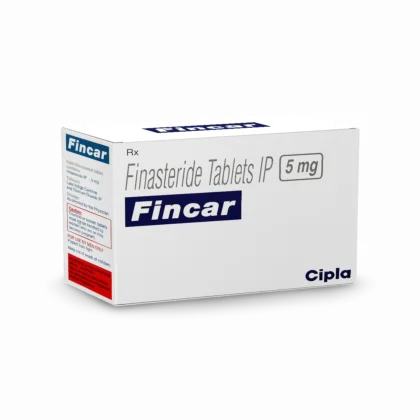
Fincar 5 mg
Blocks the enzyme responsible for converting testosterone into the hormone that causes prostate growth and thinning hair.
 Hair Loss Medications
 The Hair Loss category includes treatments for androgenetic alopecia, commonly known as male or female pattern hair loss. These formulations target the hormonal triggers that cause follicles to shrink and thinning hair to develop. Six formulations are listed below, including the active ingredients finasteride (such as Fincar or Finpecia) and topical minoxidil (such as Tugain).
Blocks the enzyme responsible for converting testosterone into the hormone that causes prostate growth and thinning hair.
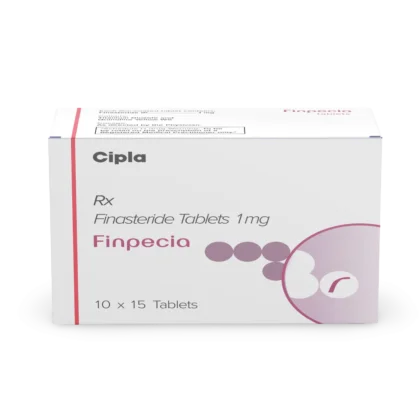
Blocks the hormone responsible for scalp hair follicle shrinkage and prostate enlargement to manage hair loss.
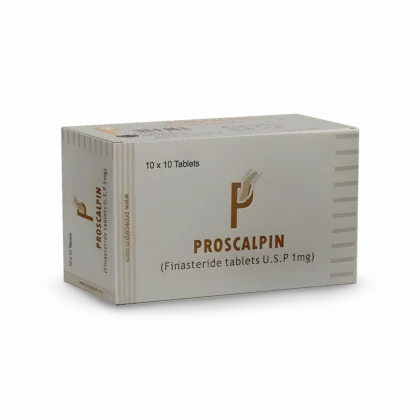
Inhibits the conversion of testosterone into dihydrotestosterone to slow hair thinning and support scalp hair maintenance.
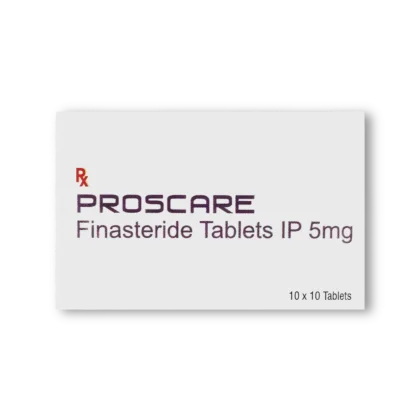
Blocks an enzyme that converts testosterone into a hormone responsible for prostate growth and hair follicle thinning.
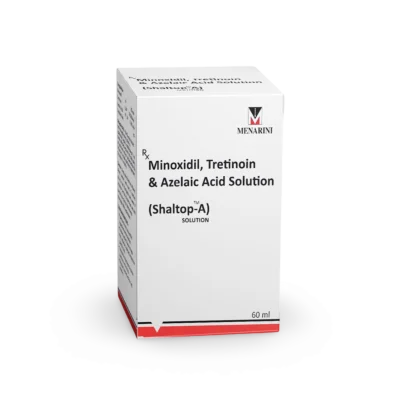
Combining localized stimulation for hair follicles with accelerated cell turnover to clear pores and refine skin texture.
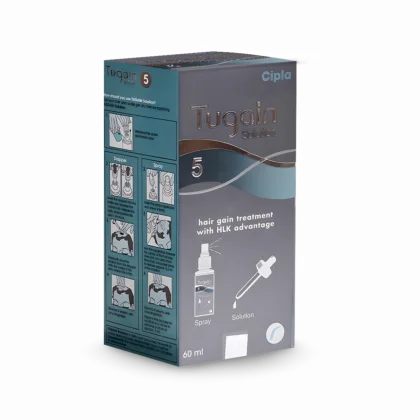
Promotes hair regrowth by increasing blood flow to follicles and extending the active growth phase of hair cycles.
Hair loss affects people of all genders and can manifest as gradual thinning or patterned receding. The most common form, androgenetic alopecia, occurs when hair follicles are sensitive to dihydrotestosterone (DHT), a hormone byproduct. Over time, this sensitivity causes the growth cycle of the hair to shorten, leading to thinner strands and eventually the cessation of new hair production.
While many find the experience emotionally distressing, evidence-based treatments can address the progression of hair loss. By managing hormonal factors or improving blood flow to the scalp, individuals can protect remaining hair and sometimes encourage renewed growth. This category focuses exclusively on recognized pharmacologic approaches used to stabilize and manage pattern-related hair loss.
Treatments for hair loss function primarily through two mechanisms: hormone regulation and localized follicular stimulation. Because individuals respond differently to these approaches, providers may recommend specific classes of medication based on the degree of hair loss and the patient’s individual health history. In many countries across various international markets, these medications are sorted into oral formulations and topical applications.
Oral medications typically address the process at a systemic level, focusing on blocking the hormonal conversion that contributes to follicle degradation. Conversely, topical solutions are designed for direct scalp application. These work by expanding blood vessels, which increases the delivery of nutrients to the root. Combining these approaches is a common strategy in clinical practice, though always dependent on a professional evaluation of the underlying cause of shedding.
Understanding the distinct classes of medication helps clarify how they work to address different phases of hair loss. These treatments are categorized by their primary pathway of action.
These oral medications work by reducing the levels of DHT in the scalp. By inhibiting the enzyme responsible for creating DHT, these agents prevent the miniaturization of hair follicles. They are frequently used for long-term maintenance of existing hair and to prevent further thinning in pattern hair loss.
Topical solutions, such as those containing minoxidil, serve as potent vasodilators. When applied to the skin, they relax the blood vessels surrounding hair follicles, allowing more oxygen and nutrients to reach the base of the hair. This process is intended to prolong the growth phase of the follicles and thicken the diameter of the hair shaft.
Individuals considering these medications should verify the cause of their hair loss, as not all thinning is caused by hormonal sensitivity. Conditions such as nutritional deficiencies, thyroid issues, or autoimmune disorders can cause hair shedding and require entirely different management strategies. A medical history review is necessary to ensure that these treatments are appropriate for the specific underlying condition.
Safety profiles vary significantly between oral and topical treatments. Oral medications that alter hormone levels can present systemic effects, while topical treatments are more localized but may cause skin irritation or scalp dryness. Monitoring for unexpected physical changes or localized discomfort is standard practice when initiating any new treatment.
Hair loss treatments may interact with other medications or existing health conditions, particularly cardiovascular or prostate-related statuses. Because specific medications can influence hormonal or vascular health, they are not suitable for everyone. Product labeling and verified clinical sources remain the correct references for specific contraindications, interactions, and potential reactions.
Androgenetic Alopecia : The most common type of hair loss, characterized by a receding hairline or thinning at the crown.
Dihydrotestosterone (DHT) : A hormone byproduct derived from testosterone that is known to shrink hair follicles in susceptible individuals.
Vasodilator : A substance that widens blood vessels, often used in topical hair loss treatments to improve circulation to the scalp.
This information concerning hair loss medications is educational and does not constitute medical advice. Individual products listed in this category differ significantly in active ingredient, concentration, formulation, and usage directions. This page does not authorize self-directed selection, clinical interpretation, or unsupervised use of any pharmacy products. Readers should review complete product labeling—including contraindications—and consult with a healthcare professional to identify the correct approach for their specific health needs.
Jun 12, 2026 ⋅ 6 min read
An overview of commonly used medications for hair loss, comparing their mechanisms of action, administration methods, and clinical considerations for various patient profiles.
Jun 12, 2026 ⋅ 5 min read
A clinical overview of potential side effects, contraindications, and drug interactions associated with common hair loss treatments like Finasteride, Minoxidil, and Tretinoin.
Jun 12, 2026 ⋅ 7 min read
This guide provides an overview of common medications used for hair loss, explaining their mechanisms of action, typical indications, and key safety considerations for patients.
Jun 12, 2026 ⋅ 5 min read
An educational overview of common hair loss medication classes, focusing on their mechanisms of action and how they work to address hair thinning at a biological level.