

Instgra 50 Mg Tablet
Blocks a specific viral enzyme to prevent the human immunodeficiency virus from copying its own genetic material.
 HIV Treatment Medications
 The HIV Treatment category encompasses essential antiviral and antiretroviral medications for the management of HIV-1 infection. These therapies maintain viral suppression, reduce the risk of secondary infections, and promote long-term immune function. Three formulations are listed below: Instgra (dolutegravir), Isentress (raltegravir), and the combination product Tenvir EM (tenofovir disoproxil fumarate and emtricitabine).
Blocks a specific viral enzyme to prevent the human immunodeficiency virus from copying its own genetic material.

Blocks the integration of viral genetic material into human cell DNA to prevent the virus from multiplying.
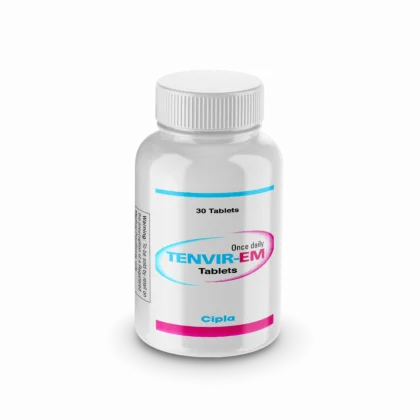
Blocks viral replication by inhibiting the enzymes required for viruses to multiply within your own cells.
HIV treatment, commonly referred to as antiretroviral therapy (ART), focuses on controlling the replication of the human immunodeficiency virus within the body. By reducing the amount of virus in the blood to undetectable levels, these medications assist in preserving the function of the immune system. This approach prevents the progression of HIV to more advanced stages of immune deficiency.
Managing HIV involves a lifelong commitment to a medication regimen that keeps viral loads low and prevents transmission risks. These drugs are categorized by how they interfere with different stages of the viral life cycle. When taken as prescribed, they permit individuals living with HIV to maintain a healthy lifestyle and significantly lower the impact of the virus on daily life and long-term health outcomes.
The therapeutic approach to HIV is built upon the use of antiretroviral agents that work through distinct mechanisms to block viral entry or reproduction. Treatment usually involves a combination of different medication classes to ensure comprehensive suppression of the virus. Providing multiple pathways of inhibition minimizes the risk of the virus developing resistance to any single agent.
Across international markets, these medications are strictly regulated and typically require a provider’s assessment to determine the appropriate regimen. The selection of therapy depends on factors such as an individual’s specific health history, past response to treatment, and the presence of any comorbidities. Patients across international markets access these treatments through specialized healthcare settings and authorized pharmacy channels to ensure steady management of their health.
Antiretroviral medications are classified based on the specific phase of the viral replication cycle they target. Different classes, such as integrase strand transfer inhibitors (INSTIs) and nucleoside reverse transcriptase inhibitors (NRTIs), are often combined to create a robust treatment regimen.
Integrase inhibitors block the enzyme that the virus uses to integrate its own genetic material into the DNA of the host’s cells. By preventing this integration, the virus cannot replicate or create new copies of itself. Medications like dolutegravir and raltegravir are central to this category and are frequently used because they are typically well-tolerated and highly effective at maintaining viral suppression.
NRTIs work by mimicking the building blocks of viral DNA. When the virus attempts to use these faulty building blocks to construct its genetic profile, the process is terminated prematurely, halting the creation of new viral particles. Many regimens use NRTIs as the foundation of therapy. They are often available in combination formulations, such as tenofovir and emtricitabine, to simplify the dosing schedule for the patient.
Management of HIV requires a professional assessment of liver and kidney function, as these organs are primarily involved in processing antiretroviral agents. Your physician will also consider your existing cardiovascular and metabolic health, as some long-term antiretroviral use can influence lipid levels or bone density. Baseline testing ensures that the chosen regimen is suitable for your specific physiological needs.
Different classes of antiretrovirals are associated with varied side effect profiles, ranging from gastrointestinal adjustments to neurological symptoms. These reactions are often most noticeable during the initial weeks as the body adapts to the medication. Monitoring your response to the therapy is a fundamental part of the management strategy to ensure long-term sustainability of the chosen regimen.
HIV medications are known for having a significant potential for drug-drug interactions, which can affect the effectiveness of both your HIV therapy and other concurrent treatments. Supplements, over-the-counter drugs, and herbal remedies can sometimes alter the levels of antiretrovirals in your bloodstream. Product labeling and verified clinical sources remain the correct references for specific contraindications, interactions, and potential reactions.
Antiretroviral Therapy (ART) : The use of specific medications to suppress the replication of HIV and support immune health.
Viral Load : A laboratory measurement that indicates the amount of cellular HIV present in the blood.
Integrase Inhibitors : A class of medication that prevents the virus from inserting its genetic code into the host cell DNA.
This overview of HIV Treatment and the medication classes listed serves as an educational resource only and does not constitute medical advice or a recommendation for clinical use. Individual products differ regarding their specific active ingredients, required frequency of administration, and potential risks. This page does not authorize self-directed selection or unsupervised use. You should review the labeling provided with your specific medication and consult a qualified healthcare professional regarding your treatment.