

Cabliz 0.5
Regulates prolactin levels by acting on receptors in the brain to restore normal hormone balance.
 Hormone Therapy Medications
 Hormone Therapy covers a broad range of treatments designed to manage physiological changes related to hormonal fluctuations, reproductive health, and endocrine system function. The 19 formulations listed below include diverse options such as testosterone replacement products like Cernos and Sustanon, estrogen formulas like Oestrogel and Progynova, and specialized endocrine regulators like Lucrin Depot and Danogen.
Regulates prolactin levels by acting on receptors in the brain to restore normal hormone balance.
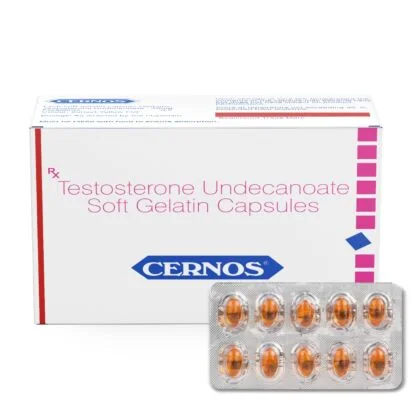
Restores normal hormone levels by supplementing endogenous testosterone production to support male physical and metabolic function.
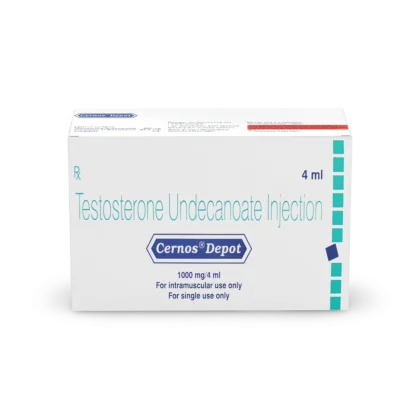
Supports natural hormone levels in men by supplementing existing testosterone to address symptoms of deficiency.
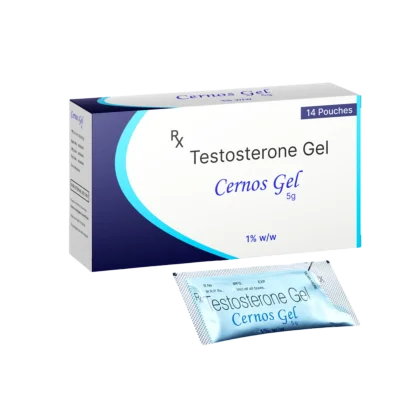
Restores natural hormone levels by delivering active testosterone directly through the skin for consistent systemic absorption.
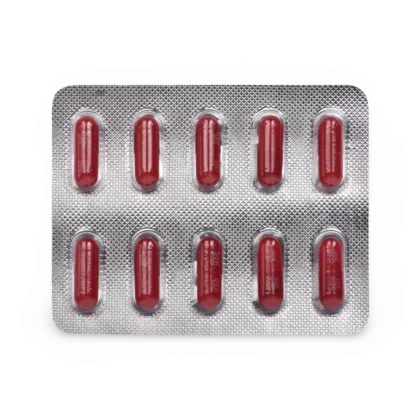
Suppresses specific reproductive hormones to reduce the growth of endometrial tissue and manage recurring inflammatory conditions.
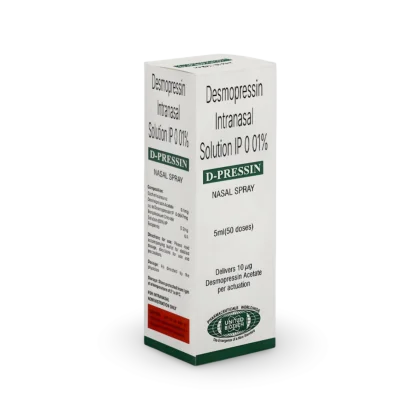
Mimics a naturally occurring hormone to manage water balance by reducing urine production in the kidneys.
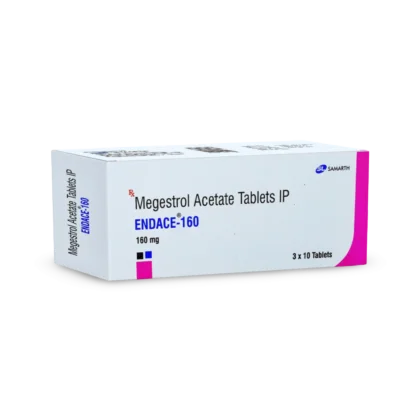
Supports nutritional intake and manages condition-related weight loss by altering hormonal balance within the body.
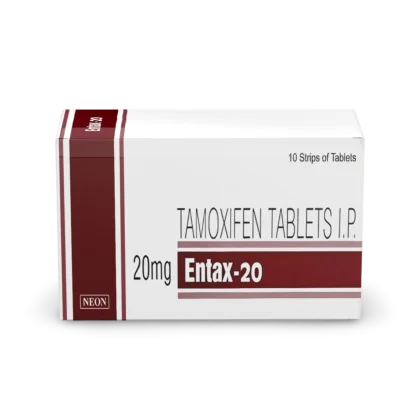
Blocks estrogen receptors in breast tissue to slow the growth of hormone-sensitive cancer cells.
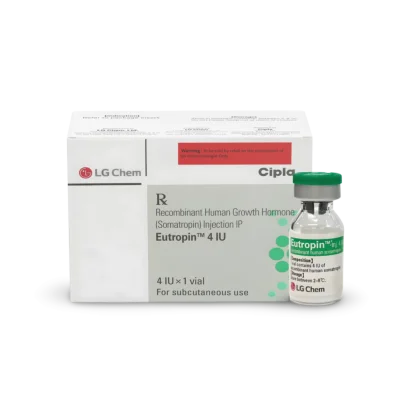
Supplements natural hormone levels to support normal growth patterns and metabolic function in children and adults.
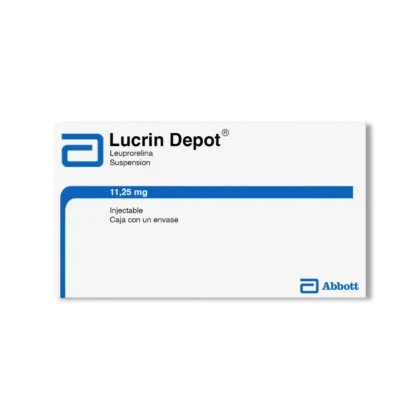
Suppresses sex hormone production to slow the growth of hormone-sensitive cells in the body.
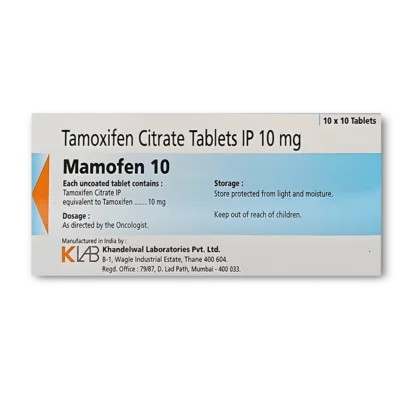
Blocks estrogen receptors in specific tissues to stop hormone-dependent cells from growing and dividing in breast tissue.
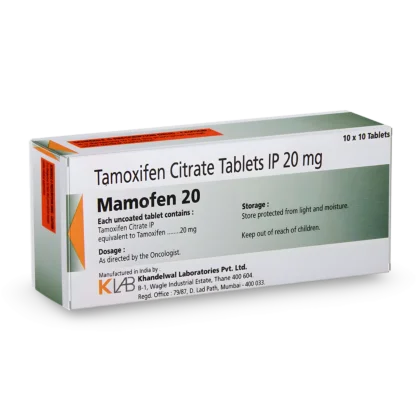
Blocks estrogen receptors in breast tissue to slow the growth and spread of certain hormone-sensitive cancer cells.

Replenishes estrogen levels to ease symptoms associated with menopause or low hormone production in the body.

Replenishes estrogen levels to ease common symptoms associated with hormonal changes, improving comfort beyond the menopause transition.
Supports estrogen levels in the body to help manage symptoms associated with hormone changes or deficiency.
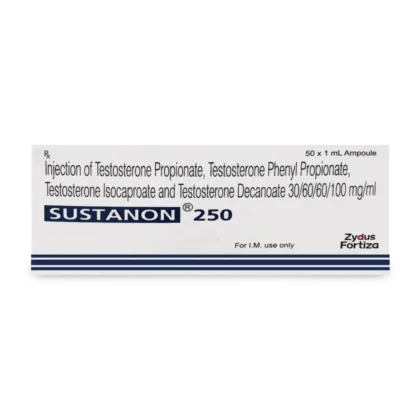
Restores healthy hormone levels by providing a sustained-release blend of testosterone esters for consistent physiological support.
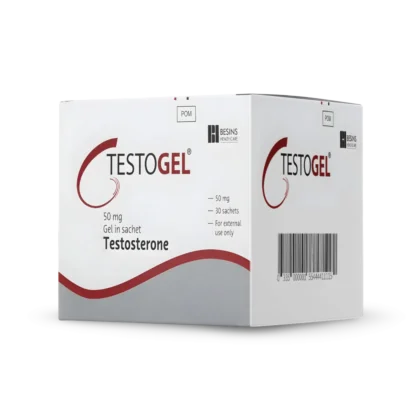
Restores normal hormonal function by supplementing testosterone to levels required for typical male physiological health and maintenance.

Restores testosterone levels to address symptoms of hormonal deficiency by supplementing natural hormone production.
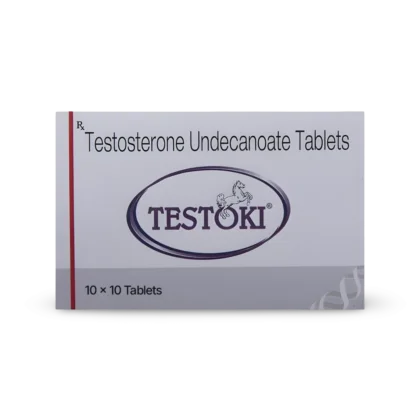
Replaces natural hormone levels to support masculine health, energy, and muscle strength in adult men.
Hormone Therapy refers to medical treatments that supplement or modify the levels of hormones present in your body. Your endocrine system relies on a delicate balance of chemical messengers to regulate processes ranging from growth and metabolism to reproductive function. When this system produces too much or too little of a specific hormone, the resulting imbalance can affect your health and daily well-being.
This therapeutic category brings together medications used for several distinct health needs. These include addressing hormonal deficiencies, managing symptoms associated with menopause or andropause, and providing targeted hormonal support for reproductive conditions. By adjusting hormone levels to a more typical range or blocking specific hormonal signals, these treatments objective to stabilize bodily functions and alleviate the symptoms caused by underlying endocrine irregularities.
Treatment approaches in this category typically focus on either replacing, blocking, or stimulating hormonal activity. The choice of therapy depends on the specific condition being addressed, your individual health profile, and how your body responds to exogenous hormones—those introduced from outside the body. Because hormonal needs vary significantly between biological systems, these medications are available in various forms to ensure appropriate absorption and efficacy.
Across international markets, including the United States, United Kingdom, Australia, and Canada, these treatments are classified based on their pharmacological action and intended clinical use. Some medications provide sustained hormone replacement through regular injections or daily topical applications, while others act as modulators that influence how your body interacts with its own hormones. Healthcare providers select specific classes based on the physiological goal, such as correcting a deficiency or suppressing an overactive hormonal signal.
The medications within this category are generally divided by their primary hormone target. Each class utilizes different delivery routes, which significantly impact how the hormone enters your circulation.
These formulations focus on restoring testosterone levels in cases of hypogonadism or specifically diagnosed androgen deficiency. They are available in various formats, including gels like Testogel and Cernos Gel, oral capsules, and long-acting injections such as Sustanon or Cernos Depot. Each delivery method provides a different kinetic profile, meaning the hormone is absorbed into your body at different rates.
Estrogen-based medications, such as Oestrogel and Progynova, are used to manage symptoms related to estrogen deficiency, often associated with menopause. These products work by substituting the estrogen your body is no longer producing in sufficient quantities. They can be applied topically to the skin or taken orally, depending on the required dosing and your individual management plan.
Certain medications in this category do not act as direct replacements but rather alter the endocrine environment. Agents like Lucrin Depot are used to suppress the production of specific sex hormones, often for conditions requiring hormonal regulation or silencing. Others, such as those used for specific reproductive health issues, modulate hormone receptors to stabilize the uterine or endocrine environment through targeted, controlled activity.
Hormone Therapy involves significant systemic changes, making a thorough evaluation of your medical history essential. Factors such as your cardiovascular health, history of hormone-sensitive conditions, and liver or kidney function are critical. Because these medications influence body-wide processes, their use generally requires ongoing monitoring to ensure your hormonal levels remain within the intended physiological range.
Individual responses to hormonal treatment vary greatly. Reactions depend on the specific hormone involved, the dosage, and the delivery method. Common experiences involve changes in mood, skin reactivity at the site of topical application, or fluctuations in fluid balance. Because systemic hormones interact with many other body systems, it is necessary to track how you feel when initiating or adjusting a new therapy.
Hormones are biologically active substances that can interact with other medications, particularly those affecting the liver or blood-clotting factors. Your lifestyle, including existing heart health factors and nutritional status, can influence how effectively or safely your body processes these treatments. Product labeling and verified clinical sources remain the correct references for specific contraindications, interactions, and potential reactions.
Androgen : A group of hormones, including testosterone, that primarily influence the development and maintenance of male secondary sexual characteristics.
Endocrine System : The collection of glands that produce hormones, which regulate various physiological functions throughout your body.
Exogenous : Relating to substances, such as medications, that originate from outside the body compared to those produced internally.
Hypogonadism : A condition characterized by the diminished activity of the gonads, resulting in lowered production of sex hormones.
Hormone Therapy is a broad medical field and the medications listed here are intended for specific clinical indications under professional supervision. Individual products differ in active ingredient, formulation, delivery mechanism, and clinical purpose. This content does not authorize self-directed selection, clinical interpretation, or unsupervised use of any hormonal medication. Always review individual product labeling and consult with a licensed healthcare professional to determine if a specific treatment is appropriate for your health needs.
Jun 12, 2026 ⋅ 6 min read
An analysis of clinical considerations for hormone therapy medications, including how healthcare providers evaluate efficacy, dosage forms, and patient factors in treatment planning.
Jun 12, 2026 ⋅ 6 min read
An overview of the safety profile of hormone therapy medications, including common side effects, serious risks, contraindications, and potential drug-drug interactions.
Jun 12, 2026 ⋅ 7 min read
A guide to hormone therapy medications, detailing their mechanisms, primary indications, and essential safety considerations for patients and healthcare providers.
Jun 12, 2026 ⋅ 6 min read
A breakdown of hormone therapy medication classes, explaining their mechanisms and roles in managing various conditions without medical advice.