
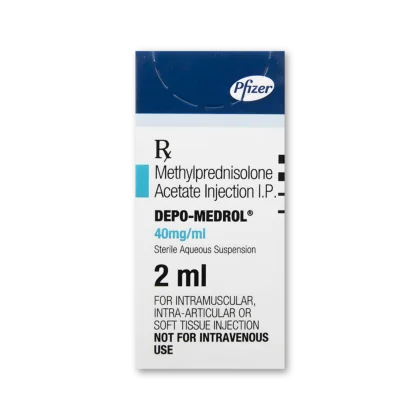
Depo-Medrol 40 Mg Injection 1ml
Suppresses inflammatory immune responses and eases swelling in conditions ranging from severe allergies to joint pain.
 Inflammation Medications
 The Inflammation category encompasses a broad range of treatments designed to reduce swelling, redness, and pain associated with various autoimmune and inflammatory disorders. Eight formulations are listed below, covering topical steroids for skin conditions, oral corticosteroids for systemic inflammation, and injectable treatments for joint and localized inflammation, including Depo-Medrol, Kenacort, Medrol, Omnacortil, and Pred Forte.
Suppresses inflammatory immune responses and eases swelling in conditions ranging from severe allergies to joint pain.

Reduces skin inflammation and swelling by shifting the immune response at the surface level where applied.
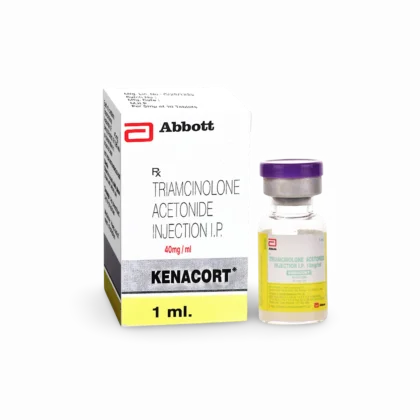
Reduces inflammation and suppresses overactive immune responses in various tissues to ease pain and swelling.
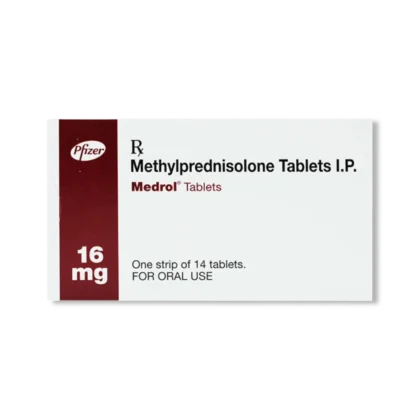
Reduces inflammatory responses and immune-driven symptoms by suppressing chemicals that cause swelling, redness, and pain.
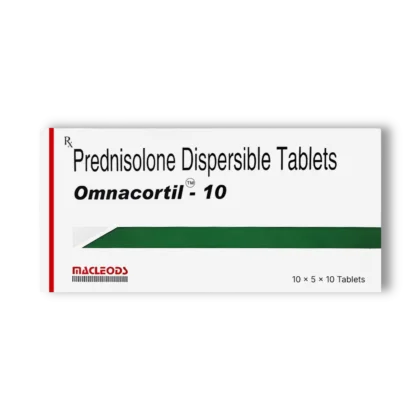
Reduces inflammation and modifies immune responses to manage various allergic, autoimmune, and inflammatory physical conditions.
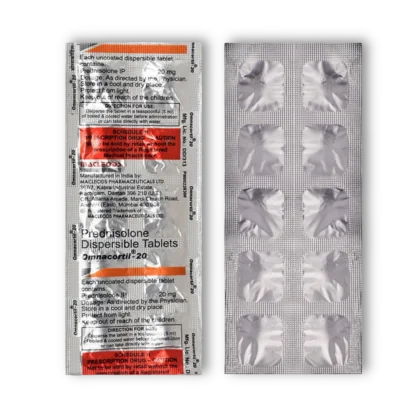
Reduces inflammatory and immune system responses by suppressing specific pathways that trigger swelling and allergic reactivity.
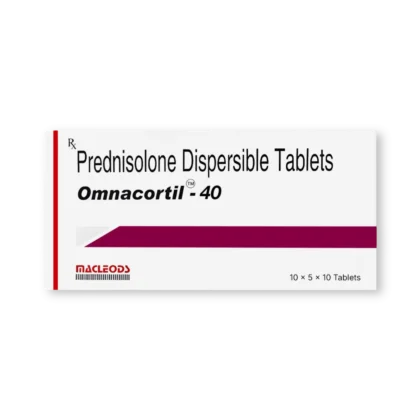
Reduces immune system responses and lowers tissue inflammation by mimicking natural hormones produced by your adrenal glands.
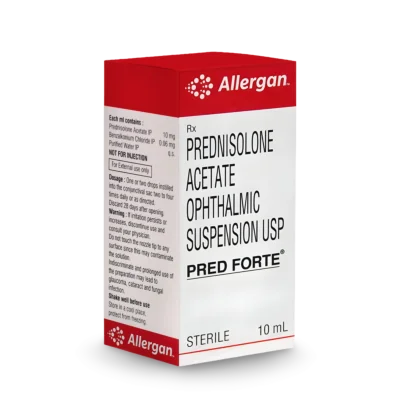
Reduces inflammatory responses by suppressing the immune system to ease swelling, redness, and underlying tissue irritation.
Inflammation is a natural biological response to injury or irritation, yet chronic or excessive inflammatory activity often requires pharmaceutical intervention. This category covers various health situations where the immune system triggers prolonged reactions, such as rheumatoid arthritis, allergic reactions, severe skin rashes, and inflammatory eye conditions. By modulating these immune responses, medications within this group help return tissues to a state of balance.
Medical professionals classify this category by the reach of the treatment. Some medications act systemically, meaning they circulate through the entire body to manage internal conditions like chronic respiratory issues or autoimmune flare-ups. Others are designed for localized relief, acting only on the specific site of inflammation to minimize impact on other organ systems.
Treatment strategies for inflammation primarily utilize corticosteroids and related therapeutic agents. These medications mimic the action of natural hormones produced by the adrenal glands to suppress immune system activity. Because inflammation can manifest in diverse ways, providers select between oral, injectable, and topical delivery routes to ensure the medication reaches the targeted tissue effectively.
Access to these treatments varies across global markets, such as the United States, United Kingdom, Australia, and Canada. While many systemic corticosteroids require a prescription due to their potent effects on metabolic processes, certain topical applications are available as pharmacy-only items in specific regions. Understanding the duration and intensity of the inflammatory response is central to determining which medication class is appropriate for a patient’s specific health profile.
The formulations used for inflammation are generally organized by their delivery mechanism and the specific structures they are intended to treat. Each class serves as a targeted approach to managing the inflammatory cascade.
Oral and injectable corticosteroids, such as methylprednisolone and prednisolone, are used for widespread inflammation. These agents work by slowing the production of inflammatory proteins, which can provide relief during severe autoimmune flare-ups or reactions. They are typically managed through tapering schedules to ensure the body adjusts safely as the immune system returns to baseline function.
Topical creams and ophthalmic solutions, such as those containing triamcinolone or prednisolone acetate, provide concentrated relief for localized issues. These are commonly used for inflammatory skin disorders like eczema or psoriasis, as well as for eye redness and swelling following surgery or infection. By applying the medication directly to the surface, the treatment impacts the site of irritation without the systemic reach of an oral pill.
Corticosteroids impact how your body manages electrolytes, blood sugar, and immune defense. Patients with conditions such as high blood pressure, diabetes, or active infections often require additional monitoring when starting these medications. Discussing your full medical history with a healthcare professional is necessary to identify potential risks prior to use.
Tolerance varies significantly depending on the route of administration and the duration of use. Short-term use occasionally leads to mild indigestion, increased appetite, or sleep disturbances. Long-term use requires careful clinical management, as it may affect bone density and natural hormone production.
Inflammation medications can interact with other prescriptions, particularly blood thinners, vaccines, and medications that affect liver enzyme function. Because systemic steroids alter systemic immunity, they may influence how the body handles other health stressors. Product labeling and verified clinical sources remain the correct references for specific contraindications, interactions, and potential reactions.
Corticosteroid : A class of medications that mimics natural hormones to reduce inflammation and suppress immune system activity.
Systemic : Relates to a treatment that enters the bloodstream and reaches various parts of the body throughout the entire system.
Localized : Relates to a treatment applied directly to a specific area, such as the skin or eye, to minimize effects on other organs.
The information provided here is for educational purposes regarding the landscape of inflammatory treatments and does not constitute medical advice. Individual products in this category differ significantly in active ingredient, strength, and appropriate application. This page does not authorize self-directed medication selection or unsupervised use of potent anti-inflammatory agents. Always review individual product labeling and speak with a qualified healthcare professional regarding any clinical concerns or treatment decisions.
Jun 12, 2026 ⋅ 5 min read
An analytical guide exploring the differences between common inflammation medications, including corticosteroids, focusing on how clinical factors influence treatment selection.
Jun 12, 2026 ⋅ 7 min read
A guide to the safety profile of inflammation-reducing medications, covering common side effects, adverse reactions, contraindications, and potential drug interactions.
Jun 12, 2026 ⋅ 6 min read
An educational guide to medications used to manage inflammation, covering primary drug classes, general mechanisms of action, and key safety considerations for patients.
Jun 12, 2026 ⋅ 5 min read
An overview of common medication classes used to manage inflammation, detailing their mechanisms of action and typical clinical applications for patient education.