

Alfusin 10 Mg
Relaxes the smooth muscles in your prostate and bladder neck to improve urine flow and reduce symptoms.
 Men’s Health Medications
 The Men’s Health category includes a broad range of treatments designed to address hormonal imbalances, hair loss, and urinary symptoms. Twenty-one formulations are listed below, encompassing various drug class groupings including androgen replacement therapies (such as Sustanon and Cernos), 5-alpha reductase inhibitors (like Finpecia, Fincar, and Dutas), and alpha-blockers for prostate health (including Urimax, Veltam, and Doxacard).
Relaxes the smooth muscles in your prostate and bladder neck to improve urine flow and reduce symptoms.
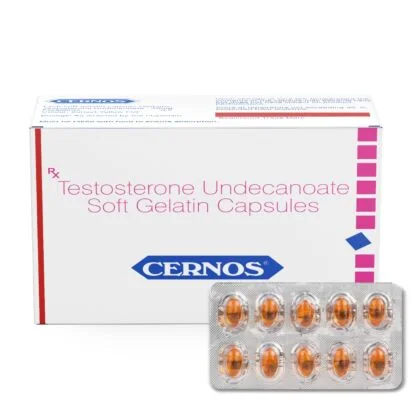
Restores normal hormone levels by supplementing endogenous testosterone production to support male physical and metabolic function.
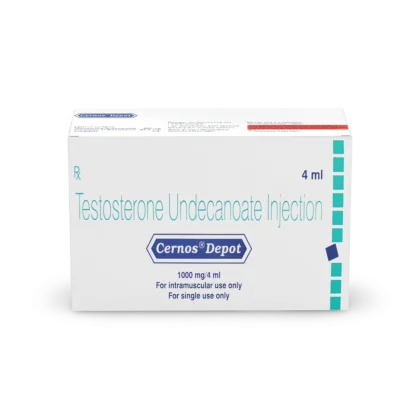
Supports natural hormone levels in men by supplementing existing testosterone to address symptoms of deficiency.
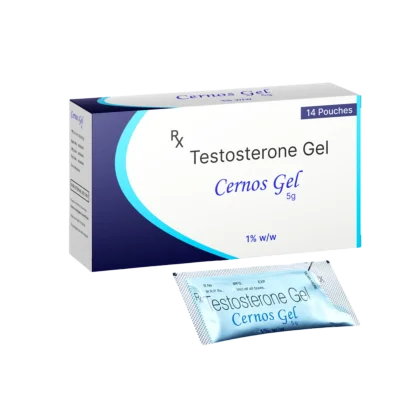
Restores natural hormone levels by delivering active testosterone directly through the skin for consistent systemic absorption.
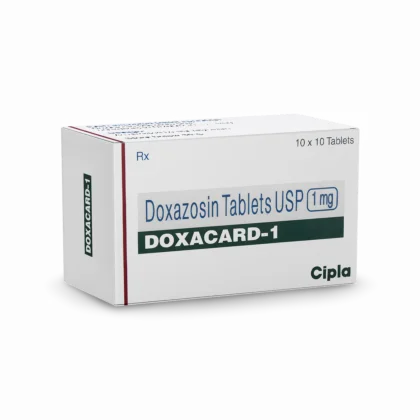
Relaxes smooth muscle in blood vessels and the prostate to improve blood flow and urinary comfort.
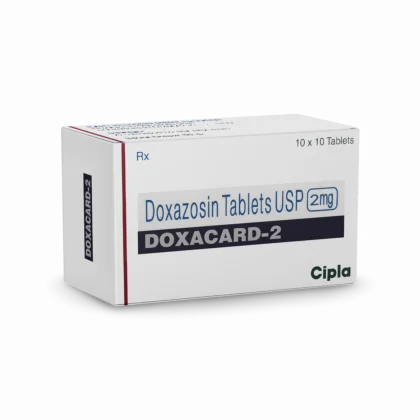
Relaxes blood vessel walls to improve flow and eases muscle tension around the bladder to assist urination.
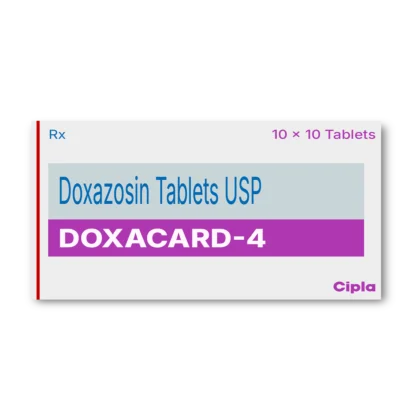
Relaxes smooth muscle tissue in blood vessels and the prostate to improve blood flow and urinary comfort.
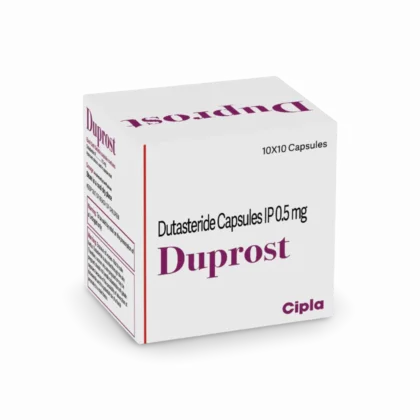
Targets the enzyme responsible for prostate growth to ease urinary symptoms and improve bladder function.
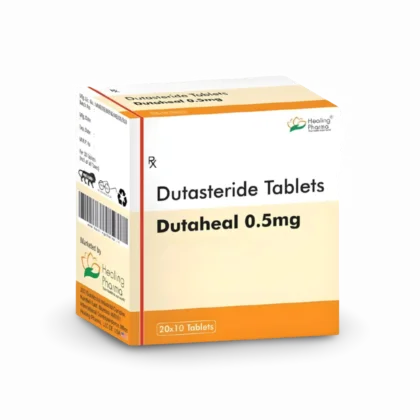
Reduces the conversion of testosterone to dihydrotestosterone to lower inflammation and ease persistent urinary pressure symptoms.
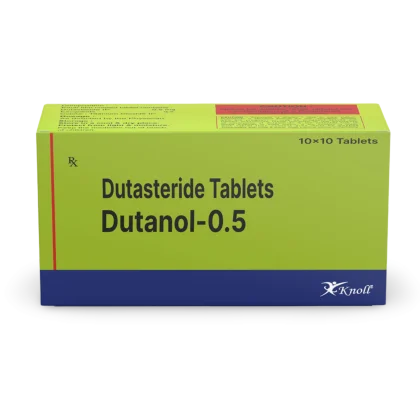
Blocks the enzyme responsible for prostate tissue growth to improve urinary flow and reduce obstructive symptoms.
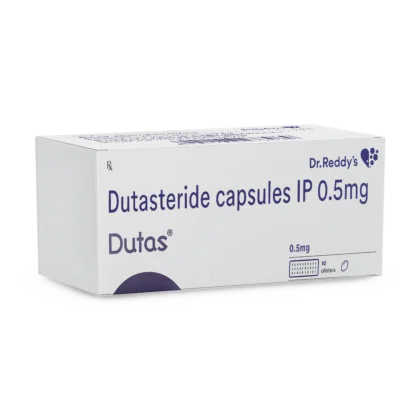
Blocks the enzyme responsible for prostate growth to reduce urinary symptoms and improve bladder voiding.

Blocks the enzyme responsible for converting testosterone into the hormone that causes prostate growth and thinning hair.
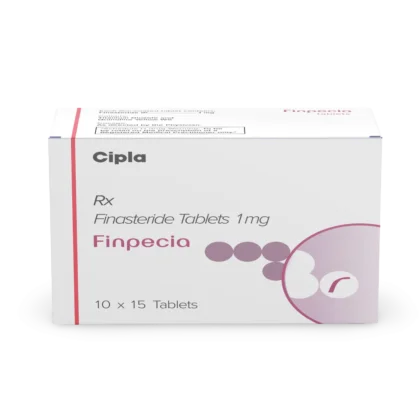
Blocks the hormone responsible for scalp hair follicle shrinkage and prostate enlargement to manage hair loss.
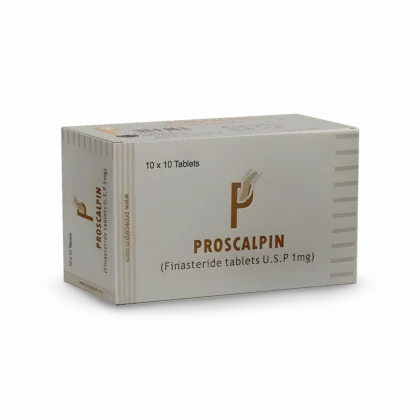
Inhibits the conversion of testosterone into dihydrotestosterone to slow hair thinning and support scalp hair maintenance.

Blocks an enzyme that converts testosterone into a hormone responsible for prostate growth and hair follicle thinning.
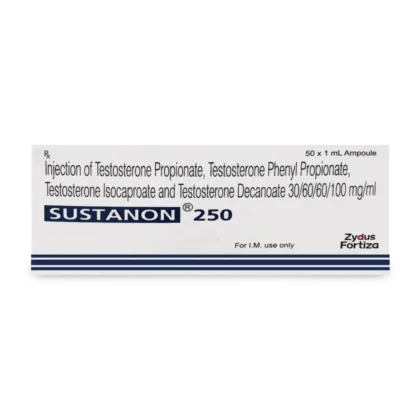
Restores healthy hormone levels by providing a sustained-release blend of testosterone esters for consistent physiological support.
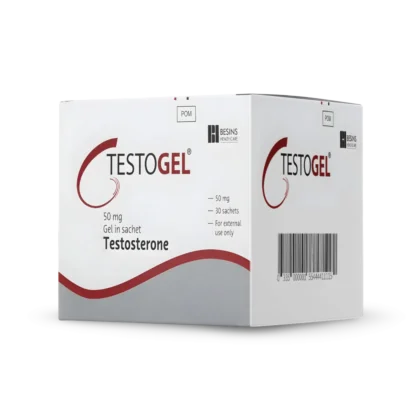
Restores normal hormonal function by supplementing testosterone to levels required for typical male physiological health and maintenance.

Restores testosterone levels to address symptoms of hormonal deficiency by supplementing natural hormone production.
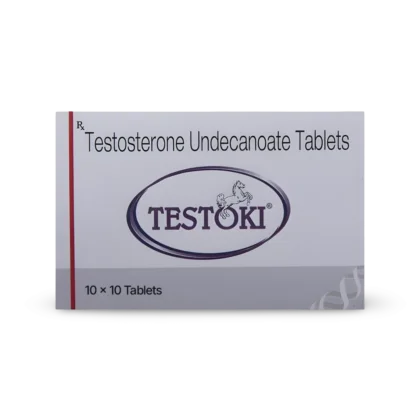
Replaces natural hormone levels to support masculine health, energy, and muscle strength in adult men.
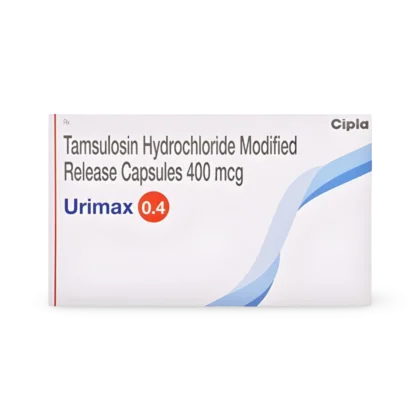
Relaxes smooth muscle tissue in the prostate and bladder neck to improve urinary flow and reduce discomfort.
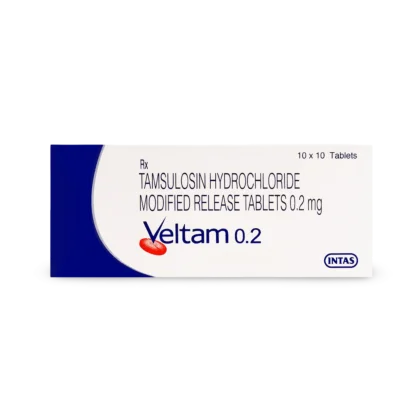
Relaxes the smooth muscles in the prostate and bladder neck to improve urinary flow and comfort.
Men’s Health encompasses conditions that frequently affect the male endocrine and urological systems. This category captures treatments for common concerns such as androgen deficiency, androgenic alopecia, and benign prostatic hyperplasia (BPH). These conditions, while distinct in their clinical presentation, often require careful management under the guidance of a healthcare provider to improve quality of life and prevent long-term complications.
Disorders addressed in this category generally stem from hormonal fluctuations or the natural changes in prostate tissue that occur as men age. By targeting specific physiological markers—such as the conversion of testosterone into dihydrotestosterone (DHT) or the relaxation of smooth muscle tissue in the urinary tract—these medications aim to restore balance or alleviate symptoms that interfere with daily function.
Treatment approaches vary significantly depending on the specific condition. Androgen replacement therapy serves to normalize testosterone levels in individuals experiencing hypogonadism, which may manifest as reduced libido or low energy. Pharmacological interventions for hair loss typically focus on inhibiting DHT, the hormone responsible for the miniaturization of hair follicles. Meanwhile, urinary issues related to prostate enlargement are often managed with medications that improve the ease of urination.
Access to these medications differs based on local regulations across global markets. Patients should recognize that many systemic hormonal treatments and targeted urological medicines require a formal diagnosis and regular clinical monitoring. Regulatory standards for these substances are established to ensure they are used appropriately for medical indications, such as verified hormone deficiency or progressive prostate-related urinary obstruction.
Several distinct classes of medication represent the core of this therapeutic category, each utilizing different mechanisms of action.
These medications are designed to supplement or replace testosterone in the body. They are available in various delivery forms, including injectable solutions, topical gels, and oral preparations. Their function is to maintain healthy testosterone levels in patients diagnosed with clinical hypogonadism.
Often prescribed for male pattern hair loss and specific prostate conditions, these agents block the enzyme 5-alpha reductase. By inhibiting this enzyme, they reduce the production of DHT. These tablets are primarily used for consistent, long-term management to slow the progression of androgen-related hair thinning or to assist in managing prostate volume.
These medications primarily act on the smooth muscles found in the prostate and the neck of the bladder. By causing these muscles to relax, they facilitate clearer urine flow. Physicians frequently suggest this class for individuals experiencing the obstructive symptoms associated with an enlarged prostate.
Before initiating any hormonal or urological therapy, a thorough clinical evaluation is necessary to confirm the underlying cause of symptoms. Baseline tests are often required to assess current hormone levels or prostate health. Using these medications without an accurate diagnosis may mask more serious conditions or lead to inappropriate hormonal exposure.
Individual responses to these medications vary. Hormonal treatments may influence mood, energy levels, and cardiovascular markers, requiring periodic review by a physician. Conversely, medications that influence urinary flow can sometimes result in changes to blood pressure or dizziness, necessitating caution during initial use or when adjusting toward higher strengths.
Potential interactions exist between these treatments and other substances. Men with pre-existing heart, liver, or renal conditions must disclose their full medical history to a provider, as certain drug classes may affect these systems. Always refer to product labeling and verified clinical sources for specific details regarding contraindications and potential reactions.
This educational overview describes general categories of Men’s Health medications and is not a substitute for clinical advice. Because individual formulations, strengths, and mechanisms differ, these products should never be used without professional medical guidance. This page does not authorize self-directed selection or the clinical interpretation of health symptoms. Please review the documentation provided with your specific medication and speak with a qualified healthcare professional before making any decisions regarding your treatment.
Jun 12, 2026 ⋅ 6 min read
A comparative overview of common medications for men's health conditions, focusing on mechanism, clinical use, and patient-specific factors for informed decision-making.
Jun 12, 2026 ⋅ 6 min read
An overview of side effects, safety risks, and potential drug interactions associated with common men's health medications, including those for prostate and hormone therapy.
Jun 12, 2026 ⋅ 6 min read
This guide provides an overview of common medications used in men's health, covering their indications, mechanisms of action, and essential safety information for patients.
Jun 12, 2026 ⋅ 5 min read
An educational overview of common medication classes used in men's health, explaining how they function and their typical clinical applications.