
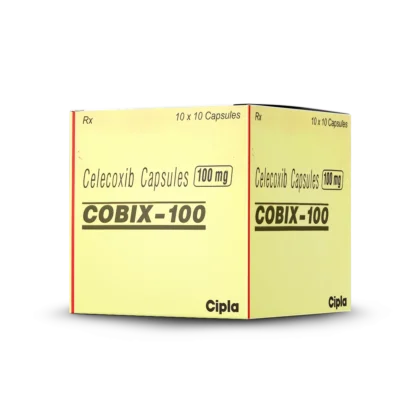
Cobix 100 mg
Reduces prostaglandin production to alleviate pain and swelling associated with chronic inflammatory joint conditions.
 Pain Relief Medications
 Pain relief medications address a broad array of discomforts, ranging from musculoskeletal pain and joint inflammation to localized injury and temporary irritation. The seven formulations listed below span multiple therapeutic approaches—including non-steroidal anti-inflammatory drugs (NSAIDs) like Voltaflam, cox-2 inhibitors such as Cobix, specialized topical applications like Tantra, and various analgesic sprays.
Reduces prostaglandin production to alleviate pain and swelling associated with chronic inflammatory joint conditions.
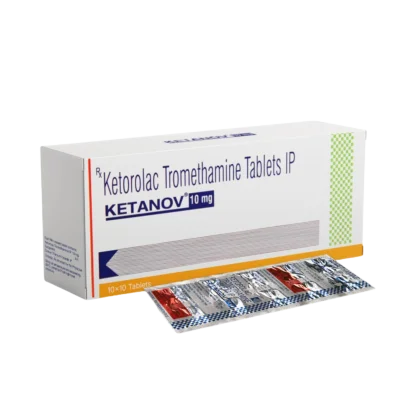
Blocks specific enzymes that produce pain-signaling compounds to provide relief for acute, short-term discomfort.

Combines active compounds to support erectile function while providing local numbing effects to assist with performance timing.
Supports sexual performance by enhancing blood flow and providing surface sensitivity control for improved timing and stamina.

Desensitizes targeted skin areas by temporarily blocking pain signals and nerve stimulation at the surface.

Reduces pain and swelling by blocking chemicals in your body that trigger inflammatory responses at the source.
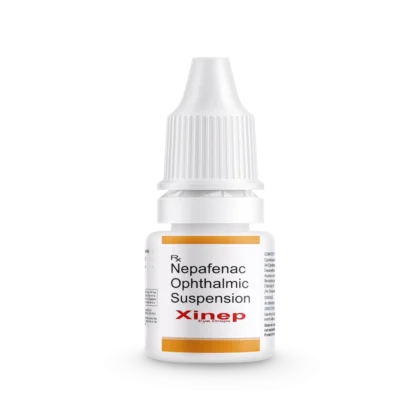
Reduces inflammation and eye pain by inhibiting enzymes involved in the production of prostaglandin messengers.
Pain relief represents a wide, functional therapeutic category designed to assist individuals in managing various types of physical sensation. These conditions often share underlying markers such as localized inflammation, nerve signaling, or tissue injury. Because pain levels and points of origin vary significantly, this category includes formulations developed for both systemic support and targeted, localized management.
Healthcare providers look at the origin of your pain to determine the most appropriate drug class. Whether the goal involves reducing inflammation in a joint or providing sensory relief on the skin, these options offer distinct mechanisms to interact with your body’s pain responses. By separating systemic treatments from topical alternatives, the category allows for a strategic approach to daily management and comfort.
Effective pain management often relies on balancing the intensity of the discomfort with the duration of the required treatment. The treatment landscape within this category incorporates several drug classes, including NSAIDs, selective cox-2 inhibitors, and topical anesthetics. While some medications work by inhibiting the enzymes responsible for pain and redness, others function by localized numbing or reducing the transmission of pain signals.
Access to these treatments often varies by regional regulation. While some medications in this category are available over-the-counter in many of the countries where pharmacists operate, others require a provider’s assessment to ensure the treatment aligns with your specific health profile. Patients across international markets often consult local guidance to determine which classes align with their specific discomfort.
The medications listed in this category are grouped by their pharmacological mechanism and their ideal route of administration. Understanding these differences helps identify which formulation might align with your specific discomfort.
NSAIDs represent a primary class for systemic pain and inflammation. They function by blocking enzymes in the body that produce prostaglandins, which are chemicals that signal pain. These are frequently used for musculoskeletal soreness, swelling, or general joint discomfort.
These are a specialized sub-type of NSAIDs. They target specific enzymes to limit the release of pain-inducing substances while aiming to minimize effects on other bodily systems. They offer a precise approach for those requiring longer-term management of inflammatory conditions.
Topical medications provide relief directly applied to the skin or localized area. These formulations avoid the need for systemic circulation, making them useful when the pain is confined to a specific spot. Depending on the active ingredient, these may act as local anesthetics to reduce sensitivity or cooling agents to soothe inflammation immediately.
Before beginning any pain relief regimen, it is necessary to consider your underlying health status. Factors such as a history of stomach-related issues, cardiovascular conditions, or kidney function can influence whether certain NSAIDs are appropriate for you.
Different classes of pain relief medications have unique profiles regarding how they are processed by the body. Some individuals may experience digestive sensitivity with systemic tablets, while others might notice skin irritation or localized reactions to specific topical sprays. Identifying these differences is part of determining a successful path forward.
Many pain relief medications carry risks of interaction with other medications for blood pressure, thinning of the blood, or other chronic conditions. Because medications in this category can affect how your kidneys or liver process substances, always ensure your provider is aware of your complete health history. Product labeling and verified clinical sources remain the correct references for specific contraindications, interactions, and potential reactions.
This overview of pain relief medications provides general information on the types of treatments available and their underlying drug classes. Individual products vary significantly in active ingredients, dosage strengths, and appropriate use. This page does not authorize self-directed selection, clinical interpretation, or unsupervised use of any listed medication. You should always review specific product labeling and consult with a healthcare professional to identify the safest path for your individual health situation.
Jun 12, 2026 ⋅ 5 min read
An analysis of how pain relief medications are selected, covering mechanisms of action, dosage forms, and factors that influence clinical decisions for various pain conditions.
Jun 12, 2026 ⋅ 6 min read
A clinical overview of safety considerations for pain relief medications, including potential side effects, contraindications, and significant drug-drug interactions.
Jun 12, 2026 ⋅ 6 min read
An objective guide to common pain relief medications, covering drug classes, mechanisms of action, and important safety considerations for patients and caregivers.
Jun 12, 2026 ⋅ 5 min read
An overview of common pain relief medication classes, explaining how different types work to manage pain and when they are typically used in clinical practice.