

Respiratory Medications
Respiratory medications address chronic and acute airway conditions, including asthma, chronic obstructive pulmonary disease (COPD), and allergic rhinitis. The 22 formulations listed below span multiple drug classes—including short-acting bronchodilators like Asthalin and Ventorlin, inhaled corticosteroids like Beclate and Flixotide, and combination therapies such as Seroflo, Foracort, and Symbicort (along with other specialty respiratory options).
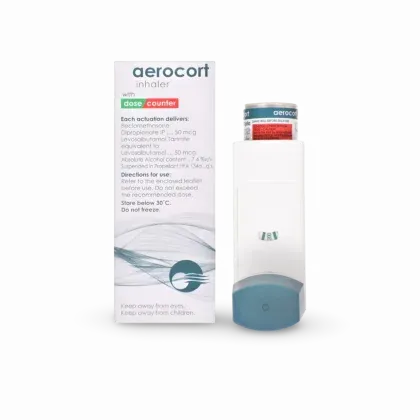
Aerocort Inhaler 50 mcg + 50 mcg
Beclometasone + LevosalbutamolDelivers a dual-action approach to airway management by reducing inflammation and opening restricted breathing passages.
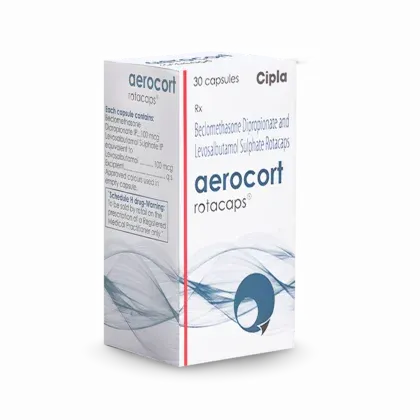
Aerocort Rotacaps 100 mcg + 100 mcg
Beclometasone + LevosalbutamolCombines a corticosteroid and a bronchodilator to both reduce airway inflammation and open restricted breathing passages.

Asthalin HFA Inhaler 100 mcg
SalbutamolRelaxes the muscles in your airways to keep them open for easier breathing during respiratory flare-ups.

Beclate Inhaler 200 mcg
BeclometasoneReduces airway inflammation to prevent breathing difficulty and manage chronic respiratory conditions effectively.

Bolstran 150 Mg Injection
OmalizumabBlocks the allergic response by binding to immunoglobulin E, preventing the inflammation that triggers asthma and hives.

Combimist-L CFC Free Inhaler
Ipratropium Bromide + LevosalbutamolDual-action respiratory support that opens airways and relaxes muscles to improve breathing during chronic respiratory conditions.
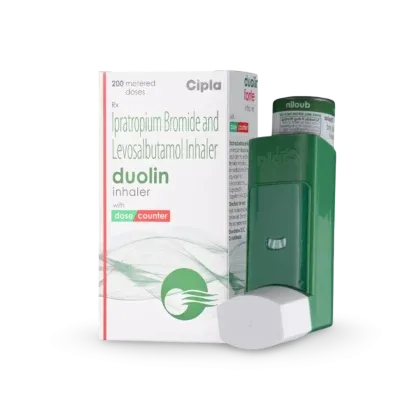
Duolin Inhaler 50 mcg + 20 mcg
Ipratropium Bromide + LevosalbutamolOpens constricted airways and eases breathing by relaxing bronchial muscles through dual-action lung relief.
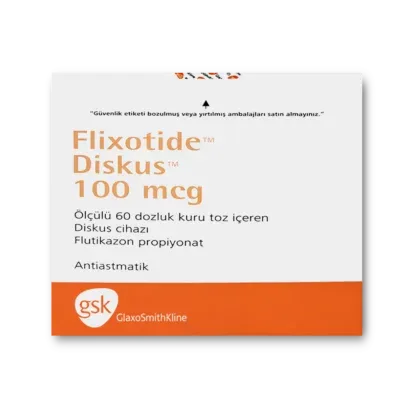
Flixotide Diskus 100 mcg
Fluticasone PropionateReduces inflammation in the airways to prevent breathing difficulties and persistent symptoms associated with respiratory conditions.
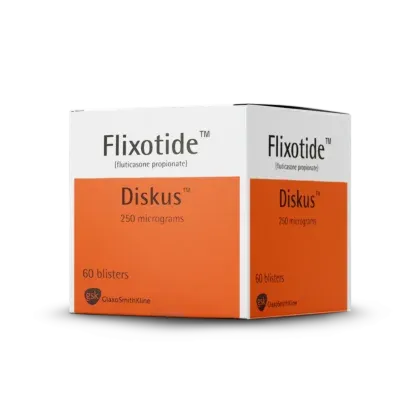
Flixotide Diskus 250 mcg
Fluticasone PropionateReduces inflammation in the airways to improve airflow and prevent symptoms like wheezing, tightness, and coughing.
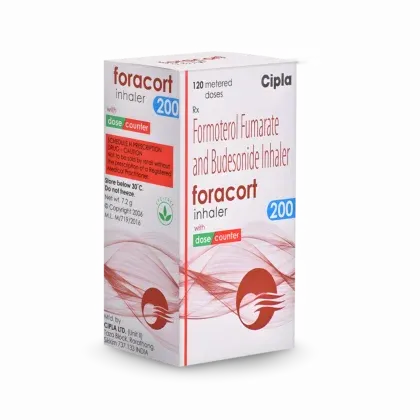
Foracort Inhaler 6/200 mcg
Budesonide + FormoterolOpens constricted airways and reduces inflammation within the lungs to assist with easier breathing and airflow.

Foracort Inhaler 6/400 mcg
Budesonide + FormoterolCombines a corticosteroid to reduce inflammation with a long-acting bronchodilator to open airways for easier breathing.

Metaspray 100 mdi Nasal Spray
MometasoneReduces inflammation in nasal passages to help you manage lingering allergy symptoms throughout the seasons.
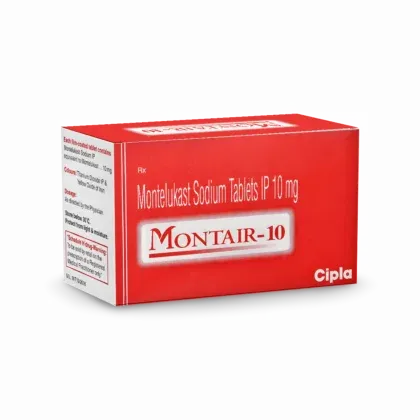
Montair 10 mg
MontelukastBlocks specific inflammatory proteins in the airways to help manage chronic asthma and seasonal allergy symptoms.

Seroflo Inhaler 25 Mcg + 250 Mcg
Salmeterol + Fluticasone PropionateA combination inhaler that relaxes airways and reduces inflammation to support easier breathing in chronic conditions.
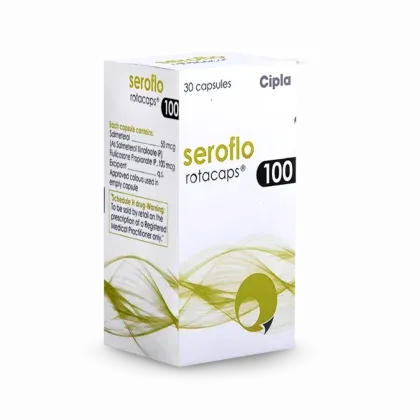
Seroflo Rotacaps 50 mcg + 100 mcg
Salmeterol + Fluticasone PropionateSupports clear airways by combining a long-acting bronchodilator to relax muscles and a steroid to reduce inflammation.

Seroflo Rotacaps 50 mcg + 250 mcg
Salmeterol + Fluticasone PropionateCombines a long-acting bronchodilator with an anti-inflammatory steroid to open airways and reduce chronic lung inflammation.
Seroflo Rotacaps 50 mcg + 500 mcg
Salmeterol + Fluticasone PropionateOpens constricted airways and reduces chronic inflammation in the lungs to support easier, more regular breathing.

Symbicort 160 Turbuhaler
Budesonide + FormoterolAddresses airway inflammation and constriction with a dual-acting combination to support easier breathing in chronic respiratory conditions.
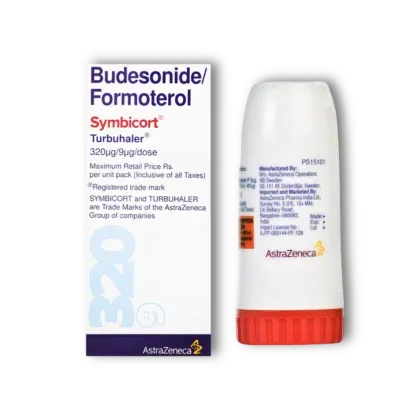
Symbicort 320 Turbuhaler
Budesonide + FormoterolControls inflammation and opens airways to facilitate easier breathing and reduce the frequency of respiratory flare-ups.
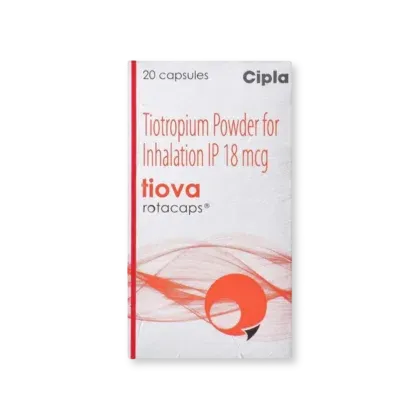
Tiova Rotacaps 18 mcg
TiotropiumRelaxes airway muscles to improve breathing and reduces the frequency of symptom flare-ups in chronic respiratory conditions.

Triluma Cream
Hydroquinone + Mometasone + TretinoinAddresses skin discoloration by slowing melanin production, reducing inflammation, and accelerating the natural cycle of skin turnover.
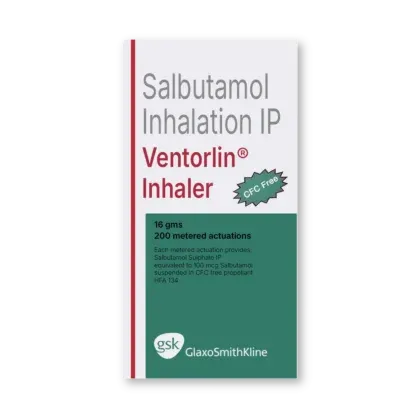
Ventorlin CFC Free Inhaler 100 mcg/18 mg
SalbutamolRelaxes the smooth muscles in your airways to keep passages open and ease shortness of breath.
About Respiratory Medications
Respiratory conditions involve the inflammation or narrowing of the airways, which can make breathing labored or uncomfortable. Medications in this category work by relaxing the muscles around the air passages or by reducing inflammation within the lungs and nasal passages. They are designed to improve airflow and facilitate easier breathing for individuals dealing with recurring lung health challenges.
This category encompasses treatments for both long-term management and immediate relief from symptoms like wheezing, shortness of breath, or congestion. Because lung health often requires a multi-pronged approach, these products are grouped by their ability to maintain open airways over time or provide quick assistance during an acute flare-up of symptoms.
How Respiratory Conditions Are Treated
Effective management of respiratory health typically involves a combination of preventative medications and rescue treatments. Bronchodilators, such as those found in Asthalin and Tiova, work rapidly to relax tightened airway muscles, providing immediate relief for breathing difficulties. These are often used as primary options for sudden symptoms of asthma or COPD.
Inhaled and systemic corticosteroids, including products like Beclate and Flixotide, focus on the underlying inflammation. By lowering the swelling in the lung lining, these medications reduce the frequency of symptoms and promote better long-term lung function. Patients across international markets often coordinate with providers to determine whether a single-agent inhaler or a combination formula is more appropriate for their specific history.
Leukotriene modifiers, such as Montair, serve a specific role by blocking substances in the body that cause airway constriction and inflammation. These oral options are often added to a treatment plan to address persistent symptoms that do not respond to inhaled therapies alone. Using the right combination depends on the severity of the airflow limitation and the specific triggers involved.
Types of Respiratory Medications
Inhaled Bronchodilators
These medications act directly on the muscles surrounding the bronchial tubes. Short-acting versions provide quick relief during an episode of breathlessness, while long-acting varieties help maintain open airways throughout the day. They allow for targeted delivery, meaning most of the medication reaches the lung tissue while minimizing the impact on the rest of the body.
Inhaled Corticosteroids
Corticosteroids are foundational in managing chronic inflammation associated with asthma and COPD. By settling the immune response within the bronchial passages, they prevent the airway sensitivity that leads to constriction. Regular, consistent use is the standard approach for these formulations to ensure maximum control over daily respiratory comfort.
Combination Inhalers
These products combine a bronchodilator with a corticosteroid to address both airway tension and inflammation in one device. Formulas like Seroflo, Foracort, and Symbicort simplify treatment by reducing the number of inhalations required. By covering two mechanisms of action simultaneously, these medications offer a convenient approach for those needing daily maintenance therapy.
Finding Respiratory Medications Online
- Patients across international markets and similar regulated environments search for respiratory medications through online pharmacy directories and health platforms before speaking with a local provider.
- Individuals look up specific formulations like fluticasone or salmeterol to match them against their current or expired prescriptions.
- Many compare different delivery forms, such as metered-dose inhalers versus dry powder inhalers, to see which aligns with their existing provider-recommendation.
- Browsing a full catalog helps patients identify which classes, such as leukotriene modifiers, might be relevant to their specific respiratory goals.
- Checking the availability of established brands ensures consistent access to long-term maintenance therapies when traveling or relocating within different global markets.
Safety Considerations for Respiratory Medications
Before starting treatment in this category
Respiratory conditions require an accurate diagnosis by a healthcare provider, as symptoms like shortness of breath can be caused by various underlying issues. Understanding the difference between a rescue inhaler, meant for immediate symptom relief, and a maintenance inhaler, meant for daily control, is essential for safe use.
Reactions and tolerability across drug classes
Different classes of respiratory medications can impact the heart rate or blood pressure, particularly with the use of bronchodilators. Some users may experience a temporary increase in pulse or mild tremors shortly after inhalation. These reactions are typically dose-dependent and vary significantly between individuals.
Interactions and health factors
Individuals with pre-existing heart conditions, high blood pressure, or thyroid issues should discuss these factors with a provider, as certain respiratory medications may interact with these conditions. Additionally, usage during pregnancy or in older adults necessitates a clinical assessment to confirm the appropriate dose and delivery method. Product labeling and verified clinical sources remain the correct references for specific contraindications, interactions, and potential reactions.
Important Safety Information
Respiratory medications consist of various pharmacological classes, including bronchodilators and corticosteroids, designed for managing conditions like asthma and COPD. Every product listed has unique active ingredients, formulations, strengths, and specific administration directions. This page serves an educational purpose and does not authorize self-directed selection, clinical interpretation, or unsupervised use of any listed medication. Readers should review individual product labeling and consult a qualified healthcare professional when clinical judgment or medical guidance is needed.