
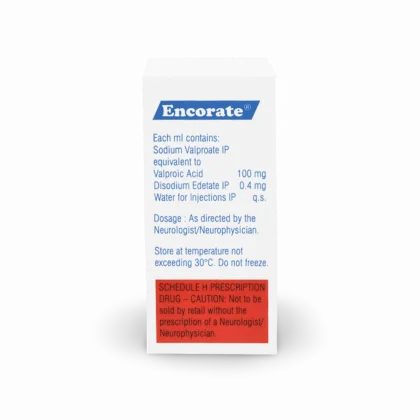
Encorate 100 Mg Injection
Regulates electrical nerve activity in the brain to stabilize mood and manage seizure thresholds effectively.
 Seizure Control Medications
 Seizure Control medications are clinical therapies designed to manage epilepsy and related neurological conditions by stabilizing electrical activity in the brain. The four formulations listed below include diverse anticonvulsants such as valproate sodium (Encorate), levetiracetam (Levipil), and carbamazepine (Zeptol CR 200 mg and 400 mg) to address various patient-specific neurochemical requirements.
Regulates electrical nerve activity in the brain to stabilize mood and manage seizure thresholds effectively.

Reduces the frequency of seizure events by stabilizing nerve signal activity within the brain.

Stabilizes electrical activity in the brain to reduce seizure frequency and manage nerve-related pain signals.

Stabilizes electrical activity in the brain to reduce the frequency of seizures and manage nerve-related pain.
Seizure control refers to the therapeutic process of preventing or reducing the frequency and severity of seizures. Seizures occur when there is an abrupt, abnormal electrical discharge in the brain, often resulting from epilepsy, but potentially linked to other neurological factors or brain trauma. These symptoms manifest differently for everyone, ranging from subtle sensory changes to generalized muscle contractions.
Effective management aims to reduce this erratic electrical signaling. By balancing neurotransmitters—the chemicals that transmit nerve impulses—these medications assist in keeping brain activity within a typical range. Because epilepsy manifests differently in each individual, selecting a treatment strategy relies on identifying the specific seizure type and ensuring that the pharmacological approach matches the patient’s neurological profile.
Treatment for seizure disorders focuses on long-term prevention through the consistent use of anticonvulsants, often referred to as antiepileptic drugs. These medications work by altering the flow of ions, such as sodium or calcium, across nerve cell membranes, which prevents the rapid, repetitive firing that leads to a seizure. Clinicians typically determine a regimen based on the patient’s history and the specific type of electrical activity observed on neurological assessments.
In many jurisdictions across the globe, these medications are strictly regulated and require professional oversight to manage throughout the treatment process. Because people respond to these agents differently, clinicians often begin with a single medication, adjusting the dose or the compound until the frequency of seizure activity reaches a sustainable level. In cases where the condition is complex, a combination of different pharmacological classes may be utilized.
Anticonvulsants are categorized based on their distinct mechanisms of action. While all these agents serve the same ultimate purpose, they interact with different pathways in the central nervous system.
Agents like carbamazepine function by stabilizing the inactive state of sodium channels in neurons. This action limits the frequency at which nerve cells can fire, thereby preventing the spread of excessive electrical activity throughout the brain. These are commonly used for focal seizures and various pain-related neurological conditions.
Medications such as levetiracetam and valproate act through more complex or multi-modal pathways. Levetiracetam, for example, binds to specific proteins in the brain, modulating the release of neurotransmitters. Valproate is known to influence the inhibitory neurotransmitter GABA (gamma-aminobutyric acid), which helps dampen overall brain excitation. These mechanisms offer versatility in usage, often suitable for diverse seizure morphologies.
Before initiating any regimen, a review of your medical history is necessary to identify potential risks. Factors such as liver health, kidney function, and underlying cardiac conditions are significant. Neurological therapies are highly individualized, as the presence of other health issues or existing prescriptions can influence how an anticonvulsant functions within your system.
Anticonvulsants can cause a wide range of responses as the body adjusts to the medication. Common reactions may involve changes in alertness, mood, or balance, while skin reactions or changes in blood count can occur with specific classes. Because individual sensitivity varies, careful monitoring by a healthcare provider is essential during the initial phase of any new therapeutic approach.
These medications frequently interact with other substances, including over-the-counter supplements, hormonal contraceptives, and other central nervous system-active drugs. Maintaining a stable level of the medication in your blood is critical for effectiveness, meaning that inconsistencies in timing or dosage can have notable impacts. Product labeling and verified clinical sources remain the correct references for specific contraindications, interactions, and potential reactions.
Anticonvulsant : A medication used to reduce the frequency and severity of seizures by stabilizing brain electrical activity. Epilepsy : A neurological disorder marked by repeated, unprovoked seizures starting in the brain. GABA : A neurotransmitter that inhibits nerve transmission in the brain, helping to prevent over-excitation. Seizure : A sudden, uncontrolled electrical disturbance in the brain that may cause changes in behavior, movements, or consciousness.
Seizure Control medications serve as specialized interventions for neurological stability and must be handled with precision. Individual products vary significantly in active ingredient, concentration, and usage guidelines, and this page does not authorize the selection or unsupervised use of these treatments. Consult a licensed healthcare provider to assess whether these medications are appropriate for your specific health requirements, as clinical professional judgment is necessary to initiate any epilepsy management plan.