
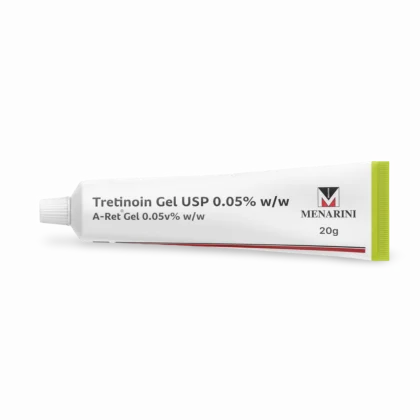
A Ret Gel 0.025% (20 gm)
Accelerates skin cell renewal to clear blocked pores, fade acne marks, and smooth surface lines.
 Skin Care
 The Skin Care category covers a diverse range of medications and topical treatments used to address common dermatological conditions. These 19 formulations listed below include various drug classes, such as topical retinoids like A Ret and Revize Micro, azelaic acid creams, and targeted antibacterial agents like T Bact or Erytop, alongside specialized pigment management formulas.
Accelerates skin cell renewal to clear blocked pores, fade acne marks, and smooth surface lines.
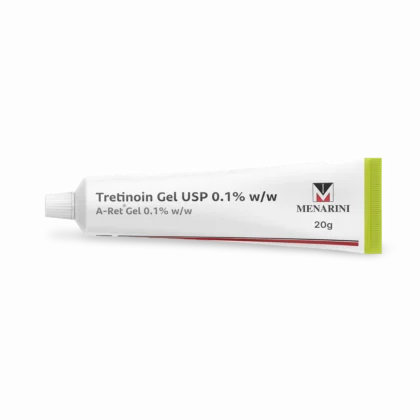
Accelerates skin cell turnover to clear blocked pores, smooth texture, and reduce the appearance of fine wrinkles.
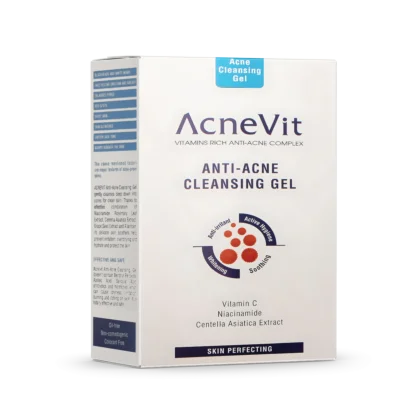
Supports skin clarity by neutralizing surface bacteria and promoting a balanced, even complexion without harsh irritation.
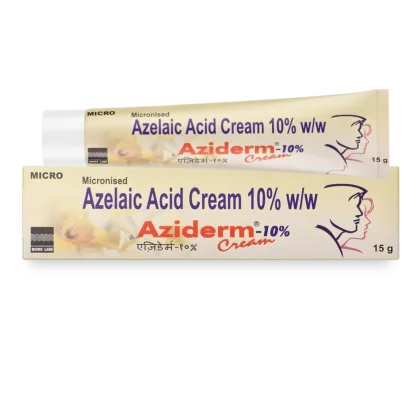
Directly combats acne-causing bacteria and reduces surface inflammation to clear breakouts and even out skin tone.
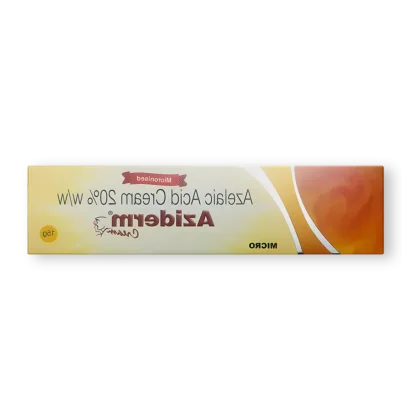
Reduces acne-causing bacteria and calms skin inflammation to improve texture and clear up uneven pigmentation.
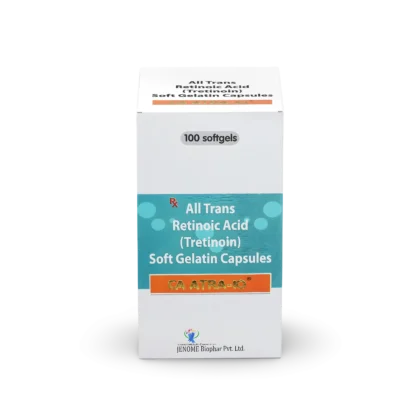
Accelerates skin cell renewal to clear blocked pores, fade acne marks, and smooth surface skin lines.
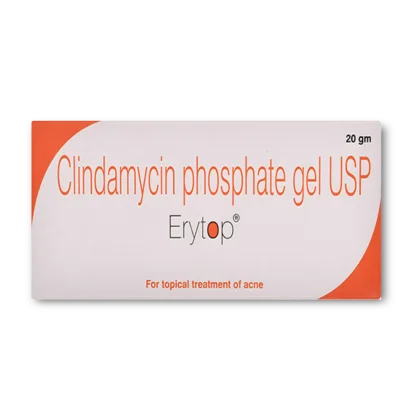
Targets acne-causing bacteria by inhibiting protein synthesis within the cell wall to reduce inflammation and breakouts.
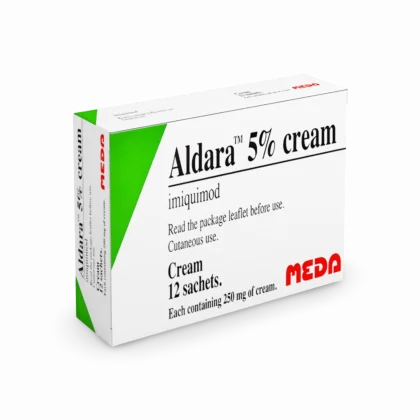
Activates your immune system directly at the site of application to recognize and clear abnormal skin cell growths.
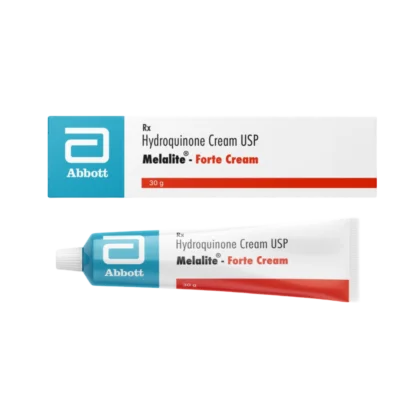
Lightens skin by reducing the accumulation of pigments that cause localized areas of hyperpigmentation and dark spots.
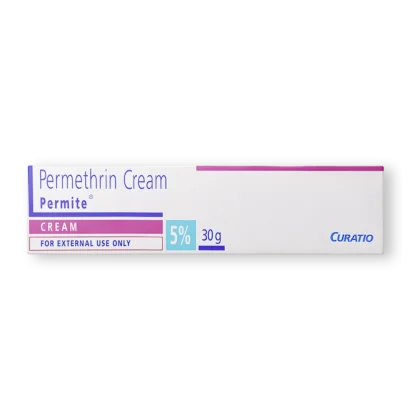
Eliminates parasites like scabies mites and lice by disrupting their nervous systems to stop infestations.
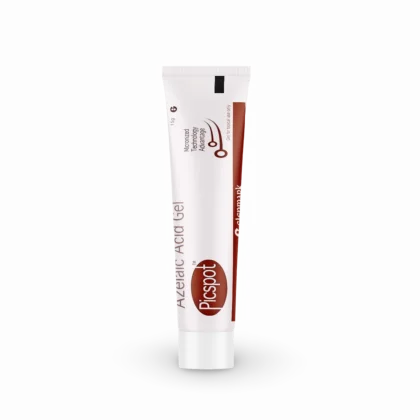
Targets acne-causing bacteria and reduces skin inflammation through a dual-action antibiotic and vitamin-based formula.
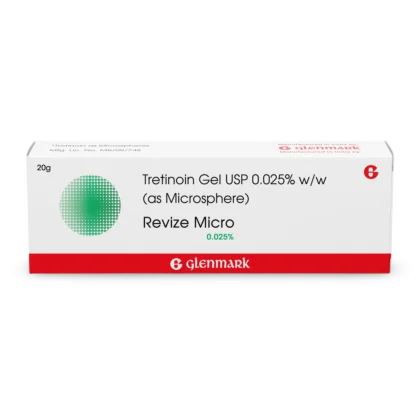
Accelerates skin cell turnover to clear blocked pores, fade acne marks, and smooth surface skin texture.
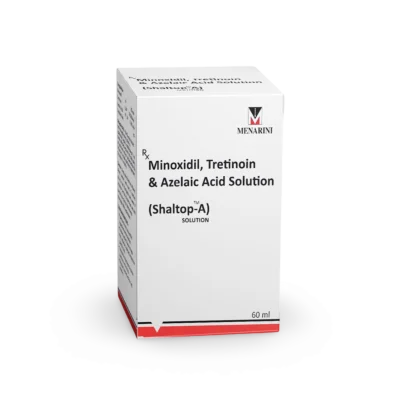
Combining localized stimulation for hair follicles with accelerated cell turnover to clear pores and refine skin texture.
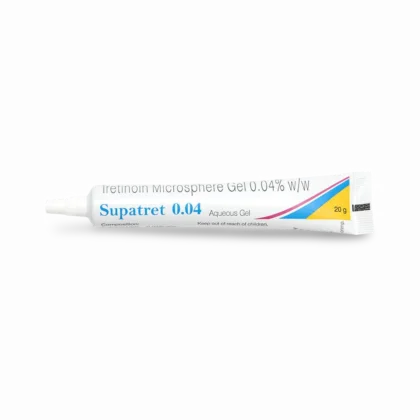
Accelerates skin cell renewal to clear blocked pores, fade acne marks, and smooth surface lines.
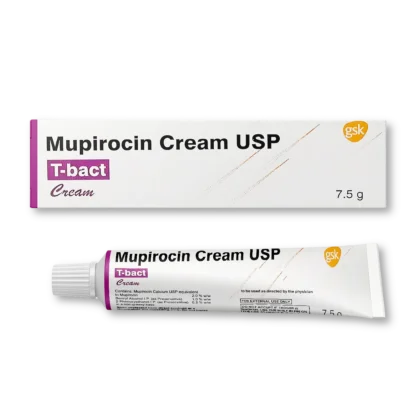
Inhibits bacterial protein synthesis to clear localized skin infections and stop the spread of harmful bacteria.
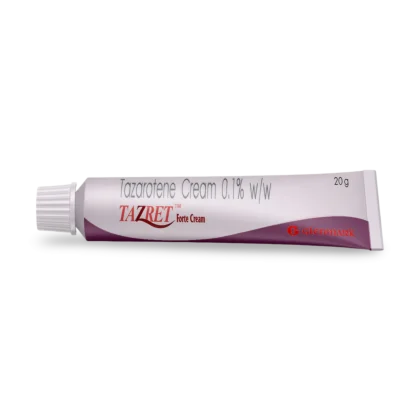
Regulates skin cell turnover to clear blocked pores and address excessive cell pile-up in dermatologic conditions.
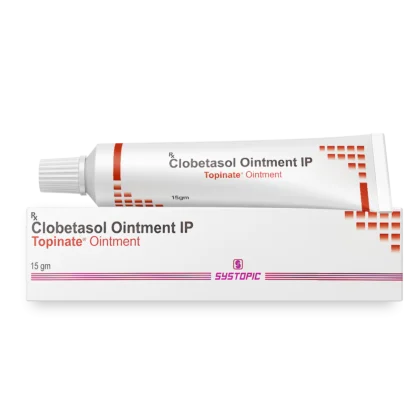
Reduces redness, swelling, and itching by suppressing the body's overactive immune responses in the skin.
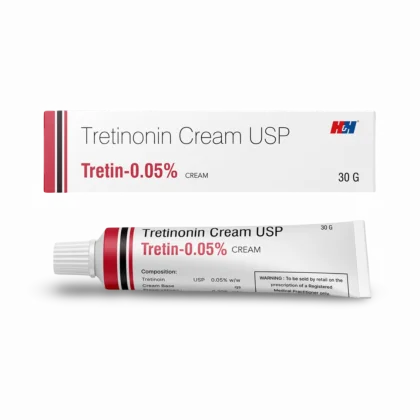
Accelerates skin cell renewal to clear blocked pores, fade acne marks, and smooth surface lines.
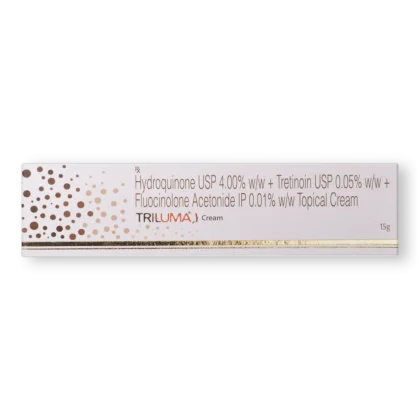
Addresses skin discoloration by slowing melanin production, reducing inflammation, and accelerating the natural cycle of skin turnover.
Skin care encompasses a broad spectrum of medical and cosmetic-adjacent treatments designed to maintain skin health and address specific dermatological concerns. These conditions often share common elements, such as inflammation, pore obstruction, or abnormal pigmentation. By grouping these preparations, individuals can identify treatments that manage localized issues effectively at the site of concern.
Many people seek these medications to manage acne vulgaris, comedonal acne, or post-inflammatory hyperpigmentation. Whether the goal is to calm an active breakout or address concerns related to skin tone, the selection typically depends on the underlying state of your skin. Because skin health is highly personal, these products are categorized to help differentiate between strength levels and application types.
Dermatological conditions are managed using several primary approaches, ranging from topical retinoids that regulate cell turnover to antibacterials that control surface-level microorganisms. These classes exist because different skin concerns require distinct mechanisms to restore balance. For example, some treatments address the excessive oil production associated with acne, while others slow the activity of pigment-producing cells.
The classification of these medications often varies across different international markets. In some regions, certain formulations are available over the counter, while others remain regulated for use under guidance. Understanding whether a treatment is intended for spot application or full-face use is a key step in identifying the appropriate course of action for your specific skin needs.
The diversity of skin care medications allows for targeted intervention based on your skin type and condition severity. Understanding how these classes differ helps clarify which products might be relevant for your concerns.
Retinoids are derivatives of vitamin A used to improve skin cell turnover. These are frequently used for acne management and smoothing skin texture. They vary in potency, from lower-concentration gels to stronger formulas for more persistent concerns. These are typically applied as thin films to the skin surface.
When inflammation or infection is the primary driver of a skin condition, topical antibacterials are often employed. These products work to reduce the bacterial load on the skin, helping to calm redness and swelling. These agents are generally used for targeted, shorter-term support.
For conditions involving skin discoloration, depigmenting creams work by slowing the production of melanin. This category also includes specialized formulas designed for specific inflammatory concerns like scabies or localized irritation. These preparations are usually formulated for precise application to ensure the surrounding healthy skin remains unaffected.
Before applying any topical dermatological medication, it is essential to consider the current state of your skin barrier. Some treatments may cause temporary dryness, redness, or sensitivity as the skin adjusts to the active ingredients. Identifying known sensitivities to specific chemical classes can prevent unnecessary irritation during the early stages of use.
Retinoids and certain bleaching agents are known to increase skin sensitivity, particularly to ultraviolet sunlight. Using sun protection is a common recommendation when these products are part of your routine. If you notice persistent stinging or severe flaking, it may indicate that the current strength or frequency of application exceeds your skin’s tolerance level.
Topical medications can occasionally interact with other products you may already be using, such as harsh facial washes or alcohol-based toners. It is important to account for any underlying skin conditions or oral medications that might affect how your skin responds. Product labeling and verified clinical sources remain the correct references for specific contraindications, interactions, and potential reactions.
Skin care products are medications and should be handled with care. Individual formulations differ significantly in active ingredient strength, base composition, and appropriate usage. This site does not authorize self-directed selection, clinical interpretation, or unsupervised use of any listed dermatological treatments. Readers should always review individual product labeling carefully and speak with a qualified healthcare professional, especially when clinical judgment or diagnosis is required for your skin health.
Jun 12, 2026 ⋅ 6 min read
An overview of how various skin care medications are evaluated and selected based on clinical factors like efficacy, onset of action, and patient-specific needs.
Jun 12, 2026 ⋅ 6 min read
A clinical guide regarding the safety profiles, common side effects, and potential risks associated with topical skin care medications.
Jun 12, 2026 ⋅ 6 min read
An overview of common skin care medications, covering major drug classes, their mechanisms of action, primary uses, and essential safety considerations for patients.
Jun 12, 2026 ⋅ 5 min read
An overview of common skin care medication classes, explaining their distinct mechanisms of action and primary uses in dermatological care.
Jun 10, 2026 ⋅ 8 min read
A plain-language FAQ about how generic medicines are listed in the catalog.