
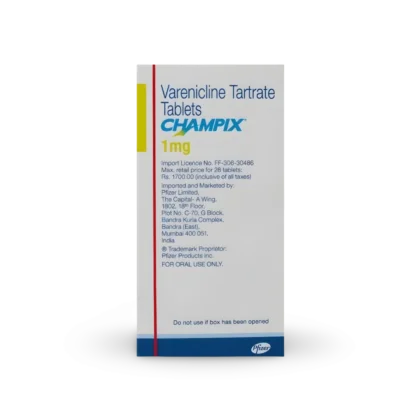
Champix 1 Mg Tablet
Reduces cravings and withdrawal symptoms by blocking nicotine receptors to make quitting smoking more manageable.
 Smoking Cessation Medications
 Smoking cessation refers to the process of discontinuing tobacco use, a goal that addresses the physical and psychological dependence on nicotine. By easing withdrawal symptoms, these medications facilitate the transition away from smoking. One formulation is listed below, providing a targeted approach to help reduce the urge to smoke and manage cravings during your attempt to quit.
Reduces cravings and withdrawal symptoms by blocking nicotine receptors to make quitting smoking more manageable.
Smoking cessation covers treatments used to address nicotine dependence, tobacco use disorder, and the physical symptoms associated with withdrawal. These conditions are grouped together because success often requires a combination of behavioral strategies and pharmacological support. Treatment focuses on breaking the cycle of nicotine addiction, which impacts the brain’s reward system and creates strong physical cravings.
Many individuals utilize these medications to improve their chances of long-term success. Dependence on nicotine is recognized by the way it alters neurotransmitter activity. When you attempt to stop smoking, the sudden absence of nicotine triggers irritability, anxiety, and intense cravings. Medications in this category work by mimicking the effects of nicotine or blocking its receptors, which helps you handle these sensations more effectively during the initial phases of giving up tobacco.
Treatments for nicotine dependence vary depending on your medical history and past attempts at stopping. The clinical approach typically involves either replacing the nicotine you are no longer inhaling or utilizing non-nicotine medications that interact with brain receptors to reduce reliance. Across international markets like the United Kingdom, Canada, and Australia, these options are evaluated based on your specific health profile and previous experience with cessation aids.
The primary goal of these treatments is to decouple the act of smoking from the relief it provides. While some formulations work by gradually lowering the amount of nicotine absorbed by the body, others take a different route by affecting the receptors that create the sensation of satisfaction from a cigarette. Choosing the right approach depends on whether your dependence is primarily physical, behavioral, or a combination of both.
Therapies in this category generally consist of oral medications or nicotine delivery systems. Each type functions differently to help you overcome the hurdles associated with quitting.
These agents, such as varenicline, act by stimulating nicotine receptors in the brain to a lesser degree than tobacco does. By occupying these receptors, they effectively block the rewarding effects of nicotine if a cigarette is smoked. This reduces the pleasure associated with tobacco, making it easier to resist the impulse to return to the habit.
Replacement products provide controlled, lower doses of nicotine without the tar and harmful chemicals found in combustible cigarettes. These forms, which include patches, gums, and lozenges, allow you to manage withdrawal symptoms gradually. By slowly tapering the dose over several weeks, the body adjusts to decreasing levels of nicotine until you are no longer dependent on the substance.
You should discuss your full medical history with a provider, particularly if you have a history of cardiovascular disease or mental health conditions. Medications for stopping smoking can sometimes influence mood or heart health, making professional assessment necessary before use. Evaluating your current lifestyle factors ensures that the chosen method is appropriate for your specific needs.
Side effects can differ significantly between nicotine replacement products and non-nicotine oral medications. Common reactions to oral tablets may include changes in sleep patterns, nausea, or vivid dreams, while localized irritation can occur with patches or gums. Monitoring how your body responds during the first few days is a standard part of the process recommended by clinical guidelines.
Certain health factors, such as kidney or liver function, may influence how your system processes these medications. Because these drugs act on the central nervous system, they may interact with other treatments you currently take. Product labeling and verified clinical sources remain the correct references for specific contraindications, interactions, and potential reactions.
Smoking cessation medications and the classes described here are intended for use as part of a structured health plan. Each product contains specific active ingredients and requires proper administration to be used as intended. This information does not constitute medical advice, nor does it authorize self-directed selection or clinical interpretation. You should review individual product labeling and speak with a healthcare professional to identify the safe and appropriate treatment path for your situation.