
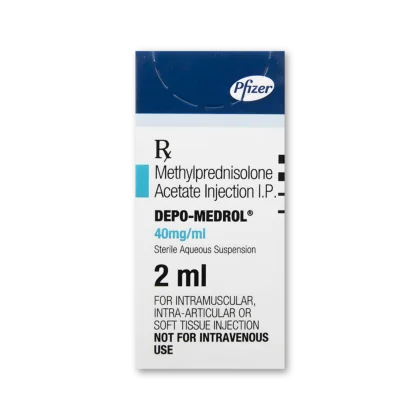
Depo-Medrol 40 Mg Injection 1ml
Suppresses inflammatory immune responses and eases swelling in conditions ranging from severe allergies to joint pain.
 Steroids Medications
 The Steroids category includes medications composed of synthetic corticosteroids that mimic natural hormones to address autoimmune, inflammatory, severe allergic, and skin conditions. These nine formulations are categorized by their application, ranging from oral tablets like Medrol and Omnacortil to injectable options such as Depo-Medrol and Kenacort, alongside topical solutions including Kenacort and Topinate creams and Pred Forte eye drops.
Suppresses inflammatory immune responses and eases swelling in conditions ranging from severe allergies to joint pain.
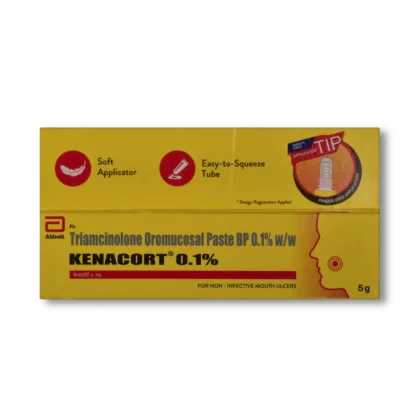
Reduces skin inflammation and swelling by shifting the immune response at the surface level where applied.
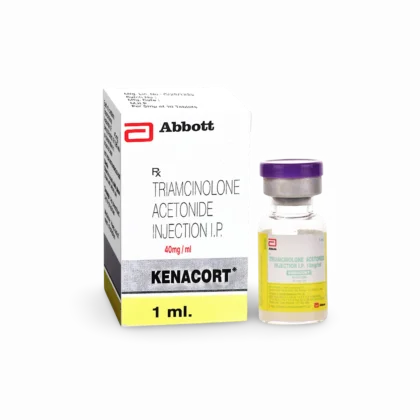
Reduces inflammation and suppresses overactive immune responses in various tissues to ease pain and swelling.
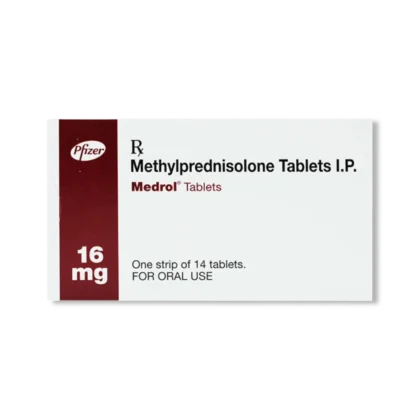
Reduces inflammatory responses and immune-driven symptoms by suppressing chemicals that cause swelling, redness, and pain.
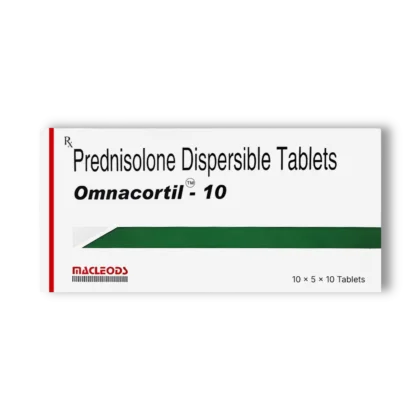
Reduces inflammation and modifies immune responses to manage various allergic, autoimmune, and inflammatory physical conditions.
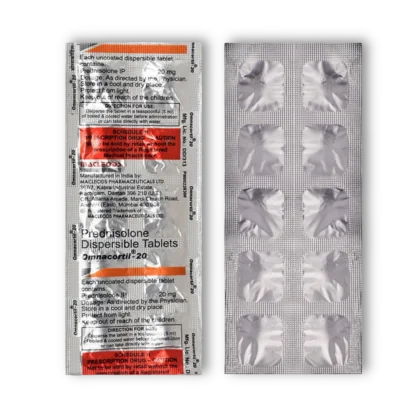
Reduces inflammatory and immune system responses by suppressing specific pathways that trigger swelling and allergic reactivity.
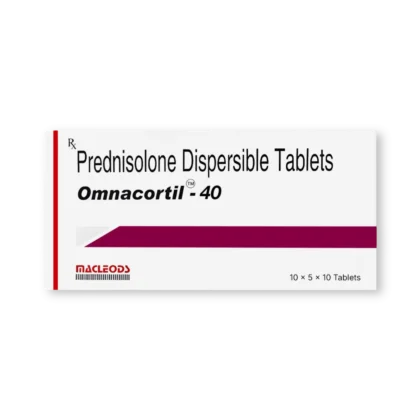
Reduces immune system responses and lowers tissue inflammation by mimicking natural hormones produced by your adrenal glands.
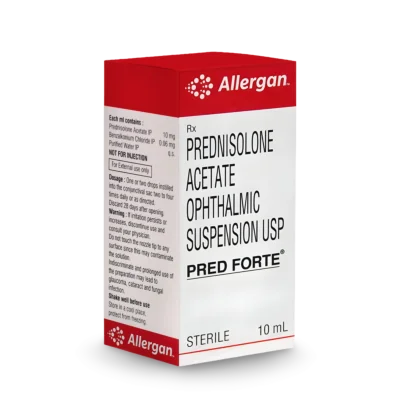
Reduces inflammatory responses by suppressing the immune system to ease swelling, redness, and underlying tissue irritation.
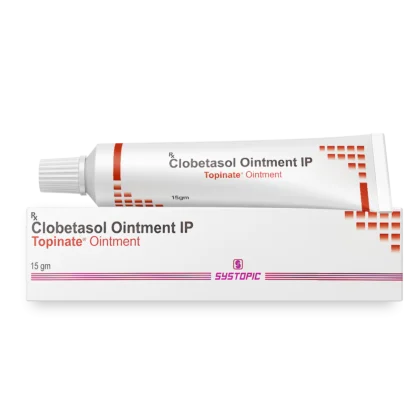
Reduces redness, swelling, and itching by suppressing the body's overactive immune responses in the skin.
Steroids, known medically as corticosteroids, represent a class of medications designed to reduce inflammation and suppress overactive immune system responses. These drugs are used to manage a diverse spectrum of health situations, ranging from acute allergic reactions and localized skin inflammation to chronic autoimmune diseases and respiratory conditions. Because these medications act systematically or locally to modulate immune function, they serve as a cornerstone in managing conditions where the body’s own inflammatory process becomes harmful.
Patients often require these medications when natural hormone levels or standard anti-inflammatory responses are insufficient to control symptoms. By binding to specific receptors within cells, these formulations alter the production of proteins that trigger swelling, redness, and pain. This mechanism makes them effective for addressing tissue inflammation across virtually any body system, including the joints, skin, eyes, and lungs.
Corticosteroids are generally classified by their duration of action and their method of administration, which dictates how they interact with the body. Across international markets, including the United Kingdom, the United States, and Australia, these medications are strictly regulated due to their potent effects on metabolic and immunological processes. Healthcare providers choose specific forms based on whether the condition is localized—such as an area of skin irritation—or systemic, affecting the entire body.
Oral formulations provide a systemic approach, meaning the medication enters the bloodstream to address widespread inflammation such as that found in systemic lupus or severe asthma flares. Topical creams and ophthalmic drops, conversely, focus their action on the site of application, reducing systemic exposure while providing direct relief to areas like localized dermatitis or ocular inflammation. Injectable variants are typically reserved for situations requiring rapid therapeutic onset or for deep-seated joint inflammation, functioning as a concentrated, long-lasting dose.
Oral forms, including tablets like Medrol and the Omnacortil range, are designed for systemic absorption. These medications are used in longer-term therapeutic plans to keep chronic inflammatory activity at a baseline level or to manage acute systemic episodes that do not respond to less potent treatments.
Topical creams, including Kenacort and Topinate, are formulated for direct application to the skin to address inflammatory dermatoses. In the eyes, preparations like Pred Forte are used to manage non-infectious inflammation. These formulations provide high local concentrations of the medication while minimizing the potential for reaching the circulatory system in high volumes.
Injectable forms such as Depo-Medrol and Kenacort injection deliver the medication directly into a muscle, joint space, or soft tissue. This route allows for a controlled release of the medication, which is beneficial when a patient requires sustained relief for localized inflammatory sites where oral medications might be less precise.
Using corticosteroids requires an assessment of your medical history, as these medications influence hormone balance and immune regulation. It is essential to discuss pre-existing health factors, such as high blood pressure, diabetes, or bone density concerns, as these can be impacted by systemic corticosteroid therapy.
Different formulations carry different risk profiles. Topical steroids are primarily monitored for skin thinning or irritation at the application site, while systemic (oral or injectable) steroids may impact fluid retention, mood, or sleep patterns. These effects depend heavily on the dosage and the duration of use.
Corticosteroids can interact with various other medications, particularly those affecting blood glucose levels or blood pressure. Regular monitoring by a healthcare provider is standard to ensure the transition to or from these treatments remains balanced. Product labeling and verified clinical sources remain the correct references for specific contraindications, interactions, and potential reactions.
Steroids and corticosteroids encompass a broad class of medications utilized to manage inflammation and immune system activity. Each product, whether oral, topical, or injectable, requires professional guidance and diagnosis to determine proper use. This page provides informational context only and does not authorize self-directed selection or interpretation of these potent medications. Always consult with a qualified healthcare provider regarding your clinical requirements and rely on official product labeling for safety information.
Jun 12, 2026 ⋅ 6 min read
An analytical guide exploring the differences between steroid medications, including efficacy profiles, onset of action, dosage forms, and key clinical selection factors.
Jun 12, 2026 ⋅ 6 min read
A clinical overview of the safety profile of corticosteroid medications, covering potential side effects, adverse reactions, contraindications, and drug interactions.
Jun 12, 2026 ⋅ 6 min read
A guide to understanding corticosteroid medications, including their mechanisms of action, common medical indications, primary drug classes, and safety considerations for patients.
Jun 12, 2026 ⋅ 6 min read
A guide to the different classes of therapeutic steroids, including systemic, topical, and inhaled options, and an overview of their mechanisms of action.