
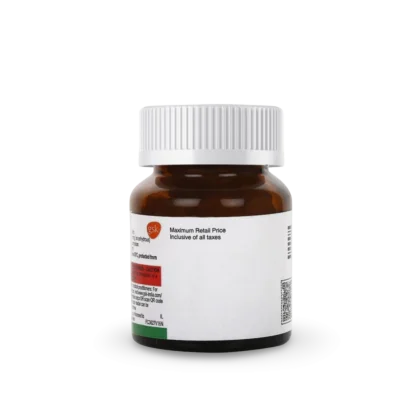
Eltroxin 100 mcg Tablet
Replaces or supplements natural thyroid hormone production to support your metabolism and energy level regulation.
 Thyroid Medications
 The Thyroid category includes medications designed to support individuals experiencing low thyroid hormone levels. These treatments address hypothyroidism, thyroid hormone deficiency, and metabolic function regulation. Four formulations are listed below, including synthetic hormone replacements such as Eltroxin, Synthroid, and Thyronorm, which function to restore normal hormone balance within the body.
Replaces or supplements natural thyroid hormone production to support your metabolism and energy level regulation.
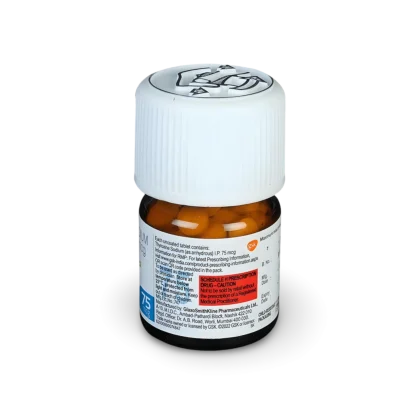
Replaces natural thyroid hormone to restore balance to your metabolism and improve energy levels throughout your body.
Replaces missing thyroid hormone to normalize metabolism and manage symptoms associated with an underactive thyroid gland.
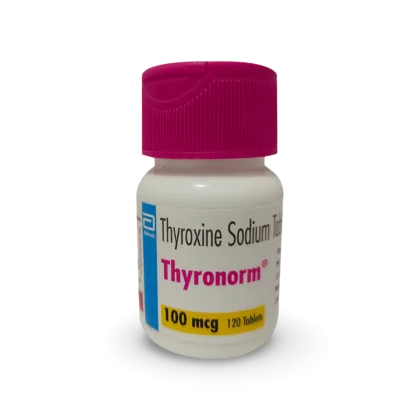
Replaces natural thyroid hormone to support metabolic processes and maintain energy levels throughout the body.
Thyroid medications are primarily used to treat hypothyroidism, a condition wherein the thyroid gland does not produce enough thyroid hormones to meet the body’s requirements. These hormones are essential for regulating metabolism, energy levels, growth, and development. When the thyroid gland is underactive, the body’s internal processes may slow down, leading to symptoms such as fatigue, weight gain, and cold sensitivity.
This category focuses on hormone replacement therapy, which acts as a substitute for the naturally occurring hormones thyroxine (T4) or triiodothyronine (T3). By supplementing these levels, these medications assist in stabilizing metabolic health. Patients often require these treatments on a long-term or lifelong basis, depending on the underlying cause of their thyroid deficiency, such as Hashimoto’s thyroiditis, surgical removal of the thyroid, or radiation treatment.
Treatment for thyroid conditions typically involves synthetic hormone replacement therapies. These medications provide a consistent dose of the hormone that the thyroid gland would otherwise manufacture. The goal is to reach a stable state where hormone levels fall within a specific range, effectively reversing the physiological slowdown caused by an underactive thyroid.
Physicians monitor progress through blood tests that measure thyroid-stimulating hormone (TSH) and free thyroxine levels. The dosage is often adjusted based on these clinical markers, individual body weight, and responses to the treatment. While the objective remains consistent across international markets, clinical practices regarding titration and monitoring can vary depending on guidelines established by health authorities in regions such as the United States, United Kingdom, Australia, and Canada.
Thyroid hormone replacements are categorized by their active chemical components, which mimic the body’s natural hormones.
Levothyroxine is the most common form of hormone replacement therapy. It is a synthetic version of the T4 hormone, which the body naturally converts into the more active T3 hormone. Because of its stable profile and long duration of action, it is often the preferred choice for consistent daily maintenance. It is available in various strengths to allow for precise dosing adjustments as identified by blood testing.
While T4 replacement is standard, some treatment protocols may involve combination therapies or the use of synthetic T3 (liothyronine). These are used in specific cases where a patient does not respond adequately to T4 alone or requires a rapid adjustment of hormone levels. These classes are typically managed under strict specialist supervision to ensure that metabolic balance is maintained without reaching levels that could cause adverse reactions.
Thyroid medications should be started only after a formal diagnosis confirmed by medical evaluation and blood tests. Because these hormones affect every organ system, initiating treatment without an established medical need can disrupt the body’s natural feedback loops. Sharing your comprehensive health history—including heart conditions or existing endocrine disorders—is essential before beginning any hormone replacement protocol.
When the dosage of thyroid replacement is too high, patients may experience symptoms of hyperthyroidism, such as rapid heartbeat, tremors, or insomnia. Conversely, if the dose is too low, symptoms of the underlying condition may persist. The body requires time to adjust to a steady state of hormone supplementation; therefore, frequent clinical evaluation is necessary during the early stages of treatment to ensure the dose remains appropriate.
Thyroid hormones can interact with various other medications, including blood thinners, insulin, and certain supplements like calcium or iron, which may interfere with absorption. Additionally, age, pregnancy status, and changes in weight can necessitate dosage adjustments. Product labeling and verified clinical sources remain the correct references for specific contraindications, interactions, and potential reactions.
Medical treatments for thyroid conditions, such as those listed in this category, are designed to supplement physiological deficiencies and must be used with clinical guidance. Each formulation has specific potency levels and directions that must be followed as instructed by a healthcare provider. This page provides educational information and does not authorize self-directed selection or usage. If you have concerns about your thyroid health or hormone balance, consult a healthcare professional.