
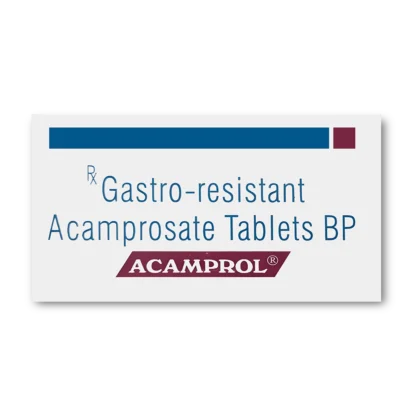
Acamprol 333 Mg
Supports physical restoration in the brain by balancing chemical signals disrupted during chronic alcohol intake.
Deciding to make changes regarding alcohol use is a significant step, and maintaining consistency in care can be a challenge during your transition to abstinence. Acamprosate (Campral) is a treatment used to support long-term recovery by addressing the neurological discomfort that often follows the cessation of alcohol consumption. One generic formulation is listed below — Acamprol 333 mg.
Supports physical restoration in the brain by balancing chemical signals disrupted during chronic alcohol intake.
Acamprosate is a pharmaceutical compound specifically utilized in the recovery journey for those managing alcohol dependence. Unlike medications that manage withdrawal symptoms immediately, this compound focuses on maintaining abstinence over an extended period. By addressing the underlying chemical shifts in your brain caused by chronic alcohol exposure, it helps restore a sense of balance.
The experience of abstaining from alcohol often involves intrusive cravings and periods of persistent physical or emotional discomfort. Acamprosate is categorized as an amino acid derivative, distinct from other addiction treatments that interact directly with alcohol cravings through dopamine receptors. Its presence acts as a stabilizer for your internal chemistry during the months required to establish lasting change.
Acamprosate is a regulated active pharmaceutical ingredient subject to rigorous clinical standards across global markets, including those in the United States, United Kingdom, Australia, and Canada. Accessing this medication typically requires a prescription from a licensed healthcare provider, as its application is part of a broader, supervised program for managing alcohol dependence.
Regulatory requirements for these products can vary between nations, particularly regarding how generic versions are brought to market. In many jurisdictions, practitioners coordinate the use of this medication as an essential component of professional recovery planning. Whether accessing the brand-name version or a verified generic, standards of quality remain a priority to ensure consistent chemical composition.
Acamprosate is used to assist individuals in achieving and maintaining abstinence from alcohol. It addresses symptoms of protracted withdrawal, such as restlessness, cravings, and the internal tension that often lead to recurring alcohol use. The clinical focus of this treatment is the stabilization of your neurological state, which provides a stronger foundation for behavioral therapy and counseling.
This medication does not replace the need for psychological support; rather, it makes the process of abstaining more manageable by muting the physiological reminders of dependency. It is most effective when initiated shortly after you stop consuming alcohol and is designed for continued use during the initial stages of recovery.
Your central nervous system manages excitatory and inhibitory signals through distinct pathways, specifically the glutamate and GABA systems. Chronic, heavy alcohol use alters these pathways, causing your brain to overproduce glutamate—an excitatory signal—which results in heightened tension and cravings when you stop drinking. Acamprosate interacts with these pathways to dampen excessive glutamate activity, helping to return your nervous system to a more natural, baseline state.
By soothing this excitatory signaling, the compound reduces the physical discomfort often associated with the brain’s attempt to recalibrate. This action does not create a sense of reward; instead, it alleviates the persistent, underlying agitation that frequently challenges those committed to remaining alcohol-free.
Acamprosate belongs to the class of compounds known as taurine analogs. These substances are structurally similar to taurine, an amino acid that plays an active role in neurological function. By mimicking the regulatory influence of certain amino acids, acamprosate provides a unique approach to correcting the imbalanced neurochemistry that persists long after your last alcoholic drink.
This class of medication is specific to the stabilization of neurotransmitter pathways. While other treatments for alcohol dependency might target enzymes or opiate receptors, the taurine analog family focuses on the excitotoxicity—or the harmful overstimulation—of brain cells. This therapeutic profile supports the brain’s healing process as it moves away from the reliance established by prolonged alcohol use.
Before starting this treatment, ensure your healthcare provider is aware of your overall health, particularly your current kidney and liver function. Acamprosate is primarily filtered by the kidneys, and any underlying impairment requires clinical adjustments to how the medication is managed. Always confirm that this treatment aligns with your current recovery program.
Common experiences during treatment may include digestive shifts, such as diarrhea, or mild headaches. These reactions are often temporary as your body acclimates to the presence of the compound. If you notice persistent changes in your mood or physical comfort, these should be discussed with the clinician overseeing your care.
Acamprosate is generally recognized for its limited interactions with other common medications, but it should not be initiated without a full review of your current health regimen. Because it is meant for individuals actively abstaining from alcohol, the interaction between the medication and alcohol ingestion has not been shown to produce the physical distress seen with other aversion-based treatments. Product labeling and verified clinical sources remain the correct references for specific contraindications, interactions, and potential reactions.
Abstinence : The continuous practice of refraining from the use of alcohol to allow the body and brain to recover.
Glutamate : A neurotransmitter that acts as a powerful excitatory signal in the brain, often overproduced during alcohol withdrawal.
Protracted Withdrawal : The persistent set of symptoms, including psychological tension and physiological discomfort, that can occur months after stopping alcohol consumption.
The information provided here describes the general nature and use of acamprosate and does not constitute medical advice, diagnosis, or a recommendation for a specific treatment plan. Individual products containing acamprosate may differ in strength and manufacturing standards, and this page does not authorize self-directed interpretation or unsupervised use. You should review all manufacturer labeling and consult with a licensed healthcare professional to determine if this medication is appropriate for your specific recovery needs.