
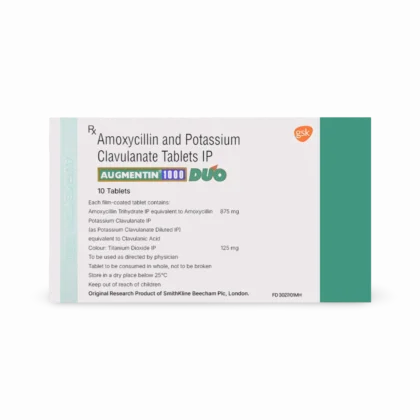
Augmentin 1000 Mg
Targets bacterial cell wall synthesis with a dual-acting formula designed to overcome specific resistance mechanisms.
Clavulanic acid is a beta-lactamase inhibitor that restores the effectiveness of specific antibiotics against resistant bacteria. Often combined with amoxicillin, this compound is a key component of medications like Augmentin and Clavam. Four formulations are listed below, including various strengths of Augmentin and Clavam 625, covering standard oral options.
Targets bacterial cell wall synthesis with a dual-acting formula designed to overcome specific resistance mechanisms.
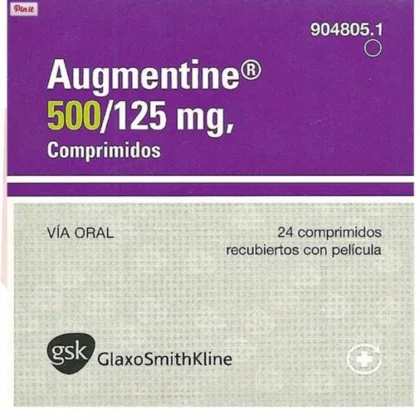
Combines an antibiotic with a bacterial enzyme inhibitor to clear diverse, resistant bacterial infection types.
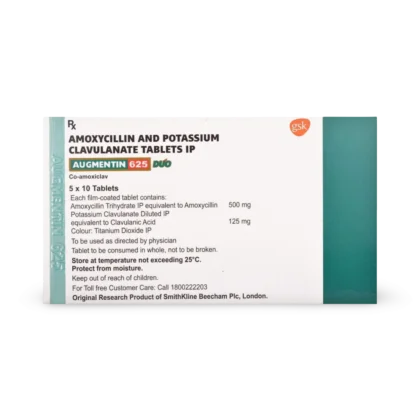
Targets resistant bacterial infections by preventing common resistance mechanisms while inhibiting bacterial cell wall synthesis.

Targets specific bacterial infections by inhibiting bacterial cell wall synthesis while preventing resistance-causing enzyme breakdown.
Clavulanic acid is not an antibiotic on its own, but it functions as a potent “helper” molecule. Certain types of bacteria produce enzymes called beta-lactamases, which effectively chew through the molecular structure of many standard antibiotics—rendering them useless. Clavulanic acid works by binding to these enzymes and putting them out of commission.
By neutralizing the defense mechanism of the bacteria, this compound allows accompanying antibiotics to reach their target and stop bacterial growth. Because resistance is a growing concern in global healthcare, using this compound in combination therapy helps maintain the potency of traditional medication frameworks. You will rarely see products containing this ingredient alone, as its utility is entirely dependent on its synergy with other antimicrobial agents.
Products containing this compound are considered prescription-only medications across significant markets, including the United States, United Kingdom, Australia, and Canada. Because it is used to manage active bacterial infections, its use requires an assessment by a healthcare professional to identify the specific strain causing an illness.
Global regulations strictly categorize these combinations as specialized treatments. In regions like the European Union and Southeast Asian markets, pharmacists and healthcare providers oversee the distribution of these tablets to ensure they are used appropriately for diagnosed bacterial conditions. Always check the local requirements in your specific jurisdiction, as access protocols for antimicrobial agents are designed to limit unnecessary use and prevent the further development of antibiotic-resistant bacteria.
This ingredient is used to address a wide range of bacterial infections that have become resistant to standard therapy. It is frequently employed in the management of respiratory tract infections, skin and soft tissue infections, and certain urinary tract issues.
When a physician suspects that the bacteria involved are producing protective enzymes, they may recommend a medication containing this acid. It acts by widening the spectrum of bacteria that a primary antibiotic can tackle, effectively broadening the scope of treatment for persistent or complex infections.
The compound acts as a suicide inhibitor against bacterial defenses. Once it enters the system alongside an antibiotic, it finds the specific enzymes the bacteria use to break down the medicine. It attaches to these enzymes, permanently blocking their activity.
This process clears a path for the antibiotic to stay intact and perform its job. Without this intervention, those same bacteria would simply deactivate the medication before it could disrupt the bacterial cell wall. By occupying the bacterial “shield,” the ingredient ensures the treatment remains active long enough to address the infection.
Clavulanic acid belongs to the class of beta-lactamase inhibitors. This group of chemicals shares a structural similarity to the antibiotics they protect, which is why they are successful at “fooling” the bacteria into attacking them instead of the medicine.
These compounds are essential in the modern antimicrobial arsenal. By disabling the chemical armor that many bacteria develop, this class of drugs prevents simple infections from becoming difficult to manage, ensuring that older, well-understood antibiotic therapies continue to be reliable.
Always confirm if you have a known sensitivity to beta-lactam antibiotics, such as penicillin, as this ingredient is most commonly combined with them. Inform your healthcare provider if you have a history of liver or kidney dysfunction, as these organs are vital for filtering the medicine.
Common reactions often involve the gastrointestinal system, such as nausea or digestive changes. If you experience unexpected skin rashes or signs of a serious allergic reaction, you should seek immediate professional medical attention, as these symptoms can be severe in individuals with specific underlying sensitivities.
This ingredient can interact with other medications, particularly blood thinners or other antimicrobial treatments. Always ensure your provider has a list of your current supplements and medicines. Product labeling and verified clinical sources remain the correct references for specific contraindications, interactions, and potential reactions.
This overview provides educational information about Clavulanic acid and is not medical advice. Individual products containing this ingredient may vary significantly in their formulation, specific concentration, and directed usage. This page does not authorize clinical application, self-directed interpretation, or unsupervised use of antibiotic combinations. Readers should always review the individual product labeling and speak with a qualified healthcare professional when clinical judgment or medical intervention is needed.

Jun 12, 2026 ⋅ 5 min read
A professional overview of common side effects, adverse reactions, contraindications, and potential interactions associated with antibiotic medications.
Jun 12, 2026 ⋅ 6 min read
A guide to understanding antibiotics, their classifications, mechanisms of action, and core safety considerations for patients seeking information on bacterial infections.
Jun 12, 2026 ⋅ 5 min read
Understand how healthcare professionals differentiate between various antibiotic options, including factors like efficacy, dosage forms, and patient-specific needs.
Jun 12, 2026 ⋅ 5 min read
An educational overview of common antibiotic drug classes, exploring how these medications function, their typical clinical applications, and the distinct characteristics of each major group.