
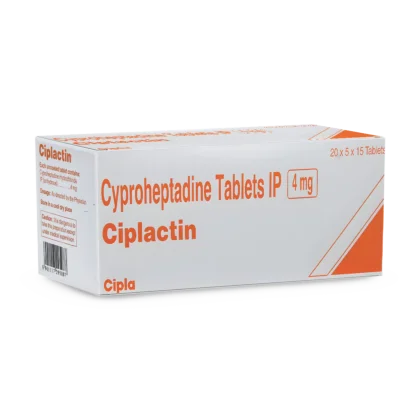
Ciplactin 4 mg
Blocks histamine receptors throughout your body to ease allergy symptoms, itching, and associated sensitivity reactions.
Cyproheptadine (Ciplactin) is a dual-action compound often used for its antihistamine and serotonin-blocking properties. It is widely recognized for assisting with allergy symptoms, providing relief from itching, and acting as an appetite stimulant for individuals needing to regain weight. One formulation is listed below — the 4 mg Ciplactin tablet.
Blocks histamine receptors throughout your body to ease allergy symptoms, itching, and associated sensitivity reactions.
You might think of cyproheptadine simply as an allergy medicine, but it functions differently than many common, non-drowsy options. It works by blocking histamine, a chemical your body releases during allergic reactions, while simultaneously interacting with serotonin, a neurotransmitter that influences appetite and mood.
This combination makes the ingredient quite versatile. It is commonly chosen when you need relief from chronic hives or hay fever, but providers also consider it when an appetite boost is intended. Because of how it affects the nervous system, you will likely notice that its most common side effect is drowsiness, which is worth keeping in mind when planning your day.
Products containing this compound are subject to healthcare regulation across the United States, United Kingdom, Australia, and Canada, as well as other international markets. Because it acts on the central nervous system, local availability varies—in many regions, you need a prescription or guidance from a pharmacist to obtain it.
Always confirm the specific requirements in your area before searching for supplies. Regulatory statuses often change, and keeping your provider informed about any supplements or medications you plan to use ensures you remain within local pharmacy guidelines.
Cyproheptadine addresses symptoms of allergic rhinitis, such as sneezing, runny nose, and itchy, watery eyes. It also manages skin-related allergic responses, including chronic urticaria and general skin irritation, by calming the body’s inflammatory signals.
Beyond allergy care, this ingredient is used to manage decreased appetite. By influencing serotonin pathways, it assists those recovering from illness or nutritional deficiency to improve their food intake. It is not intended for casual weight management or diet support, but rather for specific scenarios where a clinical need for weight gain exists.
This ingredient operates as an antagonist, meaning it sits in the receptors where histamine and serotonin would normally attach, effectively stopping these chemicals from signaling your body. By blocking histamine receptors, it manages the swelling and itching associated with allergies.
Its influence on serotonin is what signals your appetite to increase. When serotonin activity is modulated in specific brain regions, your body’s “hunger” signals are encouraged, leading to a natural increase in food consumption. This process happens relatively quickly once the concentration in your bloodstream reaches a therapeutic level.
Cyproheptadine belongs to the class of piperidine-based antihistamines. Members of this family are characterized by their ability to cross into the central nervous system, which is why they are often more sedating than newer, second-generation antihistamines that stay mostly outside the brain.
This broad chemical family is known for having multi-receptor effects. While their primary job is to interrupt allergy signals, their ability to hit multiple targets—like serotonin and acetylcholine receptors—is exactly what gives them their unique, broader utility in medical practice.
Check with your provider if you have underlying conditions like glaucoma, urinary retention, or asthma. Because this compound can cause sedation, avoid combining it with alcohol or other medicines that make you sleepy, as this will significantly amplify the effect.
The most common reaction is significant drowsiness, which usually levels out after the first few days of use. Other reports include dry mouth, blurred vision, or mild dizziness. If you notice persistent confusion or irregular heartbeats, discontinue use and speak with a professional.
Cyproheptadine can interact with monoamine oxidase inhibitors (MAOIs) and other antidepressants. Since it is processed by your liver, let your provider know if you have any history of liver or kidney impairment, as this may change how long the ingredient stays active in your system.
Product labeling and verified clinical sources remain the correct references for specific contraindications, interactions, and potential reactions.
Cyproheptadine is an antihistamine and appetite stimulant used for specific allergic conditions and nutritional support; this page serves as an educational resource and does not replace medical advice. Individual products listed here may vary in strength and manufacturer. This information does not authorize unsupervised use or self-diagnosis. Please review the specific product label and speak with your healthcare professional to ensure this compound is appropriate for your health history and current needs.

Jun 12, 2026 ⋅ 5 min read
A clinical overview of the safety profile of allergy medications, covering common side effects, adverse reactions, contraindications, and potential drug interactions.

Jun 12, 2026 ⋅ 6 min read
An overview of common allergy medications, including how different drug classes work to manage symptoms, their primary indications, and key safety considerations for patients.
Jun 12, 2026 ⋅ 5 min read
An overview of how various allergy medications are categorized and selected for treatment, focusing on evidence-based factors like onset, delivery, and patient needs.
Jun 12, 2026 ⋅ 5 min read
A plain-language guide to allergy medication classes, explaining how antihistamines, corticosteroids, and other treatments manage symptoms without recommending specific products.