
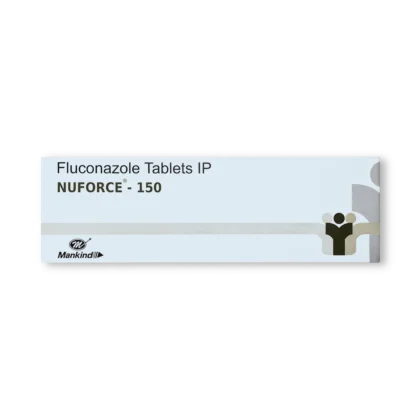
Nuforce 150 tablet
Targets fungal cells by disrupting their membrane synthesis to stop the spread of infection throughout the body.
Fluconazole is a potent antifungal compound—commonly known by the brand name Diflucan—used to manage a wide range of yeast and fungal infections. One formulation is listed below, providing a reliable option for specific therapeutic needs. Understanding how this compound works can help you discuss your options with a healthcare provider.
Targets fungal cells by disrupting their membrane synthesis to stop the spread of infection throughout the body.
Fluconazole belongs to the triazole family of antifungal medications. It is specifically designed to target and stop the growth of fungi that cause infections in various parts of the body, including the mouth, throat, esophagus, lungs, and blood. Unlike some topical antifungals that stay on the skin surface, this compound is processed by your body to reach areas where an internal infection might be present.
People often look for this ingredient when dealing with persistent yeast infections or other fungal conditions that require a systemic approach. Because it is highly effective at reaching the bloodstream, it provides a dependable way to address infections that other forms of medicine might struggle to clear. You will find it available in different strengths, allowing for tailored approaches based on the specific type of infection being addressed.
Fluconazole is a regulated pharmaceutical ingredient subject to scrutiny in major markets, including the United States, United Kingdom, Australia, and Canada. In these regions, it is classified as a medication that typically requires professional oversight to ensure it is the right choice for your specific health situation.
Regulations ensure that individuals have access to the correct concentration and formulation of the compound for their diagnosed condition. Because it interacts with how your liver processes substances, it is categorized as a medicine that should be used under the guidance of a qualified practitioner. Requirements for accessing these formulations vary across the globe, though the medical standard for its use remains consistent.
Fluconazole is primarily used to address fungal and yeast infections. It is a common choice for managing vaginal candidiasis—a frequent yeast infection—as well as more complex systemic fungal infections like cryptococcal meningitis or candidemia, which is a bloodstream infection.
The compound acts by interfering with the fungus’s ability to build its own cell walls. By preventing the production of ergosterol—a key component of fungal membranes—the medication causes the fungal cell walls to become permeable and leak. This effectively halts the growth and reproduction of the infection, allowing your immune system to clear the remaining cells.
As a triazole antifungal, fluconazole is part of a group known for its ability to stop fungal growth rather than just killing it on contact. This class of medicine is recognized because it is targeted specifically at the enzymes that fungi require to survive and replicate.
These compounds are stable and well-studied, making them a cornerstone for treating infections that are resistant to older or less specialized options. By focusing on the structural biology of the fungal cell, this class of drugs offers a precise way to treat infections while sparing your own cells from the same mechanism.
Before starting this medication, it is essential to review your health history with a professional. You should mention if you have any history of liver or kidney disease, as these organs are vital for processing and clearing the compound from your bloodstream. Additionally, disclose any history of heart rhythm irregularities, as this medication can occasionally influence electrical activity in the heart.
Common reactions to this type of antifungal often relate to digestive comfort, such as nausea or abdominal pain. Some people may also experience temporary headaches. These responses are generally tied to how the body adjusts to the medication, but any persistent or concerning symptoms should be discussed with your provider immediately.
Fluconazole can interact with a variety of other medicines, potentially changing how effectively they work or how your body handles them. Always provide a full list of your current prescriptions to your doctor, including any heart medications, blood thinners, or other supplements. Product labeling and verified clinical sources remain the correct references for specific contraindications, interactions, and potential reactions.
Fluconazole is a potent pharmaceutical ingredient and is not intended for unsupervised use. Individual products containing this compound may differ in their specific formulation, strength, and directions for use. This page provides an educational overview and does not authorize clinical application, self-directed interpretation, or unsupervised treatment. You should review the specific labeling on any product you consider and always speak with a healthcare professional when clinical judgment is needed for your specific health condition.