
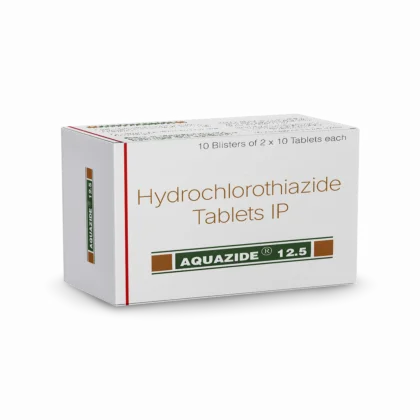
Aquazide 12.5 Mg
Reduces excess body fluid and lowers blood pressure by helping your kidneys eliminate extra salt and water.
Hydrochlorothiazide, often recognized by the brand name Microzide, is a widely used diuretic that supports cardiovascular health by managing fluid levels. Two formulations are listed below, specifically Aquazide 12.5 mg and the combination tablet Cipril H 5 + 12.5 mg, which provides both blood pressure support and fluid regulation.
Reduces excess body fluid and lowers blood pressure by helping your kidneys eliminate extra salt and water.
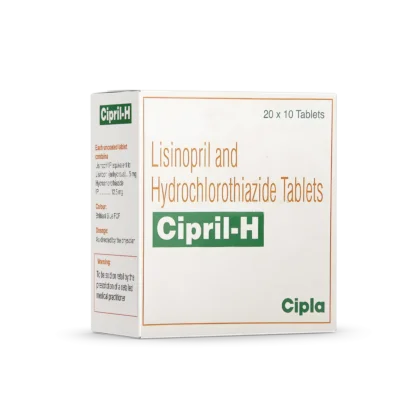
Reduces blood pressure and eases fluid buildup by helping your kidneys remove excess salt and water.
Hydrochlorothiazide belongs to a class of drugs known as thiazide diuretics. You might hear these referred to as “water pills.” Doctors frequently reach for this compound because it effectively balances blood pressure while being well-tolerated by many people over long periods.
Rather than working on the heart directly, this ingredient acts on your kidneys to change how they handle salt and water. By preventing your body from absorbing too much salt, the medication encourages your kidneys to release more water through your urine. This process reduces the overall volume of fluid circulating in your bloodstream, easing the workload on your pipes and heart.
Hydrochlorothiazide is a regulated pharmaceutical ingredient across the United States, United Kingdom, Australia, Canada, and many other international markets. Because it influences your electrolyte balance and blood pressure, it is classified as a prescription-requiring medication in most jurisdictions.
Regulation ensures that your use of the drug is monitored, especially regarding your potassium levels and kidney function. While the availability of generic versions is widespread, you should speak with a healthcare provider to ensure that any diuretic you choose aligns with your specific health profile and existing treatment plan.
The primary use for this ingredient is the management of hypertension, commonly known as high blood pressure. By lowering the amount of fluid in your vessels, it eases the tension inside your circulatory system, which can help prevent future complications related to heart and blood vessel strain.
Beyond hypertension, it is often utilized to address edema—the medical term for fluid retention or swelling. This swelling commonly occurs in your legs, ankles, or feet due to underlying health conditions. By assisting your body in shedding excess fluid, the medication reduces this visible discomfort.
Your kidneys perform the primary task of filtering blood to remove waste and excess water through your urine. Hydrochlorothiazide works by blocking the sodium-chloride symporter, a transport mechanism in the kidney tubules that normally reabsorbs salt back into your body.
When you take this compound, it stays in the tubule longer, keeping salt in the urine rather than letting it return to your bloodstream. Water naturally follows this salt, leading to a higher output of urine. This shift effectively lowers your total blood volume, which is the mechanism that keeps your blood pressure readings within a more manageable range.
Thiazide diuretics represent a foundational class of medications for managing blood pressure. They are unique because they offer a gentle yet sustained effect, making them a preferred choice for long-term health maintenance.
Most drugs in this category share a similar molecular backbone, which allows them to effectively target the distal convoluted tubule in your kidneys. While they are chemically related, your doctor may suggest specific versions based on how strongly you react to the diuretic effect or whether you require a secondary compound to maintain your electrolyte balance.
Before you begin, let your provider know about your history, particularly any issues regarding gout, diabetes, or severe kidney disorders. Because this medication alters how your body processes fluids, it can influence how you react to other substances you might be taking.
Common reactions often involve shifts in your body’s mineral levels, such as lower potassium or sodium. Some people notice feeling lightheaded or dehydrated when they first start taking it, which usually relates to the intensity of the fluid removal process.
Other medications, including those for pain or mood, may interact with this diuretic. If you are pregnant or breastfeeding, discuss the situation with a specialist, as this compound enters systemic circulation and may influence fluid balance in both the parent and the nursing infant. Product labeling and verified clinical sources remain the correct references for specific contraindications, interactions, and potential reactions.
This content provides an educational overview of Hydrochlorothiazide and is not medical advice. Individual products listed here may differ in their specific formulation, strength, and provided directions. This page does not authorize clinical application, self-directed interpretation, or unsupervised use of any pharmacy product. You should always review the individual labeling included with your product and speak with a healthcare professional regarding any clinical decisions or changes to your health regimen.
Jun 12, 2026 ⋅ 5 min read
A guide to how healthcare professionals compare and select heart and blood pressure medications based on mechanism, patient needs, and clinical profiles.
Jun 12, 2026 ⋅ 6 min read
A clinical guide regarding the safety profile, potential side effects, and interaction risks of common heart and blood pressure medications for patient awareness.
Jun 12, 2026 ⋅ 6 min read
An informative guide on common heart and blood pressure medication classes, how they function, and essential safety considerations for patients and caregivers.
Jun 12, 2026 ⋅ 6 min read
Understanding the various classes of heart and blood pressure medications, how they function, and their roles in managing cardiovascular health.