
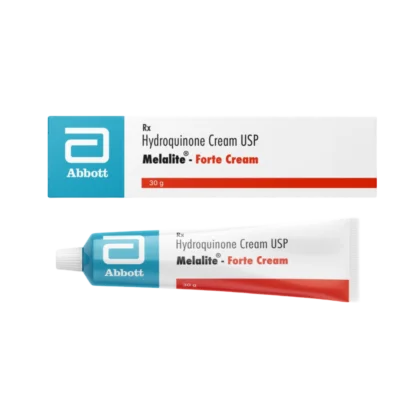
Melalite 4% 30 gm Cream
Lightens skin by reducing the accumulation of pigments that cause localized areas of hyperpigmentation and dark spots.
Hydroquinone, commonly known by brand names like Eldoquin, is a widely researched topical compound used to treat skin hyperpigmentation. Two formulations are listed below—Melalite 4% Cream and the combination Triluma Cream—representing common options for managing persistent darkened skin areas by addressing overactive melanin production.
Lightens skin by reducing the accumulation of pigments that cause localized areas of hyperpigmentation and dark spots.
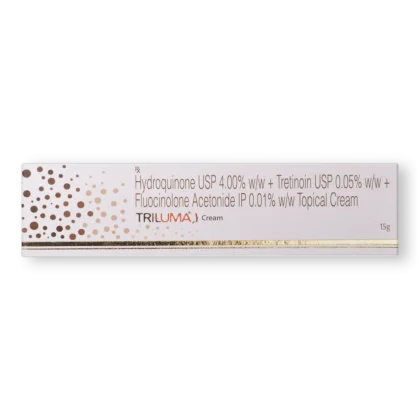
Addresses skin discoloration by slowing melanin production, reducing inflammation, and accelerating the natural cycle of skin turnover.
Hydroquinone functions as a skin-lightening agent that works by slowing down the production of melanin, the pigment responsible for skin color. If you are dealing with dark patches, age spots, or melasma, you might have encountered this compound as a regular part of dermatological care. It is a phenolic compound, meaning it chemically interferes with the enzymes that your skin cells use to create pigment-producing pathways.
Because this ingredient acts directly on the pigment-making process, you will likely see results gradually rather than overnight. Dermatologists often include it in treatment plans when they need a reliable way to lighten localized areas of concern. By inhibiting the melanin synthesis process, it encourages a more uniform skin tone over several weeks of consistent, directed use.
Products containing hydroquinone are regulated as medicinal treatments across global markets, including the United States, United Kingdom, Australia, and Canada. In many of these regions, higher concentrations often fall under pharmacy-only status or require a prescription to ensure your skin health is monitored during treatment.
Regulations for this ingredient exist to minimize the potential for skin irritation and to ensure that users do not apply it for longer than recommended. Always check your local guidance, as access to specific percentages and combination formulas can change based on regional safety standards established by health authorities in these countries.
This compound is primarily used to address hyperpigmentation, a condition where patches of skin become darker than the surrounding area. It is frequently indicated for melasma, which involves darker, brownish patches often appearing on the face. You might also find it recommended for addressing post-inflammatory hyperpigmentation, which is the darkening that can linger after a breakout or skin injury has healed.
At a cellular level, your body processes this compound when you apply it to the skin’s surface. It acts specifically on melanocytes—the cells that dictate your skin’s pigmentation—by inhibiting an enzyme called tyrosinase. By blocking this enzyme, the compound effectively slows down the creation of new melanin. With less new pigment being deposited into the surrounding skin cells, existing darkened patches naturally fade as your skin undergoes its normal, ongoing renewal process.
Hydroquinone belongs to a class of compounds known as depigmenting agents. These are not general skin-care products but specialized compounds designed to alter the biological processes that cause visible dark spots on your skin. They are distinct from botanical brighteners because they function through a specific chemical inhibition of enzymes.
This drug class is defined by its ability to act on the synthesis pathway of pigment. Unlike exfoliants that simply remove the dead outer layers of your epidermis, this class works deeper within the skin structure to prevent excessive pigment formation from starting in the first place.
Before you begin, it is important to confirm that your skin is not currently suffering from active infection, sun damage, or severe inflammation. If you have a history of sensitivity to bleaching agents or phenolic compounds, you should proceed with extra caution. Always perform a patch test on a small, unobtrusive area of skin to ensure your body tolerates the formula before applying it to larger, visible areas.
Common reactions include dryness, redness, or mild tingling when the formulation first contacts your skin. If you notice severe burning, cracking, or signs of dermatitis, discontinue use and speak with a professional. While some minor irritation can occur as your skin adjusts, any persistent or painful reaction is a signal that the concentration or frequency of use may be incorrect for your skin type.
Avoid using this ingredient alongside harsh exfoliants, benzoyl peroxide, or other abrasive products, as these can drastically increase the potential for irritation. Your kidneys and liver process the small amounts that cross into your bloodstream, though systemic absorption remains very low with topical application. Product labeling and verified clinical sources remain the correct references for specific contraindications, interactions, and potential reactions.
The information provided here is educational and not medical advice. Individual products containing this ingredient may differ in formulation, strength, and directions for safe application. This page does not authorize clinical application, self-directed interpretation, or unsupervised use of skin-lightening compounds. You should always review the specific labeling provided with your product and consult with a qualified healthcare professional when clinical judgment is needed to address your specific skin health.

Jun 12, 2026 ⋅ 5 min read
A clinical overview of potential side effects, contraindications, and drug interactions associated with common acne treatments to inform patient safety discussions.

Jun 12, 2026 ⋅ 6 min read
An overview of common medications used to manage acne, covering mechanisms of action, active ingredients, and general safety considerations for skin health.

Jun 12, 2026 ⋅ 5 min read
A clinical overview of the safety profile of allergy medications, covering common side effects, adverse reactions, contraindications, and potential drug interactions.

Jun 12, 2026 ⋅ 6 min read
An overview of common allergy medications, including how different drug classes work to manage symptoms, their primary indications, and key safety considerations for patients.
Jun 12, 2026 ⋅ 5 min read
An overview of how different acne treatments work, focusing on how clinicians evaluate options based on efficacy, skin type, and individual patient needs.
Jun 12, 2026 ⋅ 5 min read
An overview of how various allergy medications are categorized and selected for treatment, focusing on evidence-based factors like onset, delivery, and patient needs.