
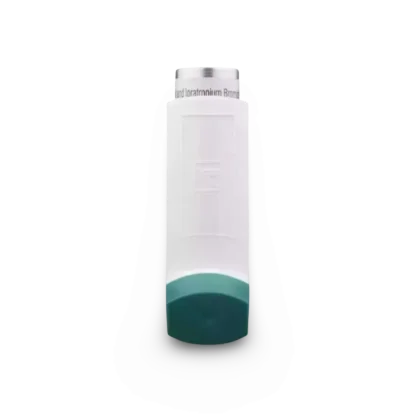
Combimist-L CFC Free Inhaler
Dual-action respiratory support that opens airways and relaxes muscles to improve breathing during chronic respiratory conditions.
Ipratropium bromide is a bronchodilator commonly recognized as a core component in respiratory care, often found in formulations like Combimist-L and Duolin. This compound is used to assist with airway management in conditions like asthma and chronic obstructive pulmonary disease (COPD). Two formulations are listed below, providing structured options for daily respiratory support.
Dual-action respiratory support that opens airways and relaxes muscles to improve breathing during chronic respiratory conditions.
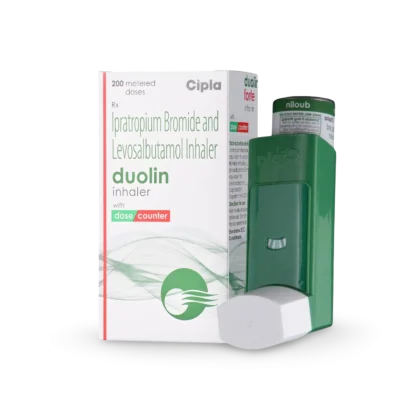
Opens constricted airways and eases breathing by relaxing bronchial muscles through dual-action lung relief.
Ipratropium bromide belongs to a class of compounds known as anticholinergics. It works directly on your lungs to manage the involuntary muscle contractions that cause airways to tighten. By targeting specific receptors, it prevents the constriction that makes breathing difficult during respiratory flares.
Because it is not a steroid, it functions differently than many long-term maintenance inhalers. It is often chosen when you need an effective way to relax airway muscles without the systemic effects that can come with other classes of bronchodilators. You will frequently find it included in combination preparations, as it works well alongside other agents to create a full-coverage approach to lung health.
Products containing ipratropium bromide are subject to standard healthcare regulations across the United States, United Kingdom, Australia, and Canada. In most of these markets, you need a prescription to access these inhalers, reflecting the importance of oversight when managing chronic respiratory conditions.
While the general status remains professional-monitored, the specific way it is dispensed can vary depending on which of the aforementioned regions you are in. Regulations ensure that these medications are provided only when a treatment plan has been established. Always confirm the local status of your specific inhaler with a healthcare provider to ensure you are following the correct regional requirements.
This compound is primarily used to manage symptoms of chronic obstructive pulmonary disease, including chronic bronchitis and emphysema. It addresses the sudden narrowing of the airways that leads to shortness of breath, wheezing, and chest tightness.
Beyond its role in COPD care, it is frequently used to manage asthma symptoms when other treatments are not enough on their own. By keeping the airways open, it reduces the physiological strain on your lungs during daily activities. It is most effective when used consistently as part of a broader care strategy for obstructive airway diseases.
When you inhale this medication, it acts as a “blocker” for the neurotransmitter acetylcholine, which tells your airway muscles to tighten. By sitting on the receptor site, it prevents that chemical signal from getting through, which naturally allows the smooth muscles surrounding your bronchial tubes to relax.
This relaxation process creates a wider path for air to flow into your lungs. Because the effect is localized to the respiratory tract, you get the benefit of improved airflow without the medication needing to circulate significantly throughout your entire system. This targeted approach is precisely why it is favored for chronic lung management.
Ipratropium bromide is part of the anticholinergic class, which works by inhibiting the parasympathetic nervous system’s ability to constrict airway smooth muscle. This class is essential for those whose lungs react too strongly to external triggers, such as smoke or cold air.
These compounds are distinct from beta-agonists, which stimulate different pathways to open the lungs. By using an anticholinergic, you are addressing the “tightening” signal at its source. This provides a different mechanism of support, making it a foundation for many respiratory maintenance inhalers used globally today.
Before starting any new inhaler, tell a healthcare professional about existing conditions like glaucoma or issues with urinary retention. Because this compound can affect physical responses in the eyes and bladder, your health history helps ensure the medication is appropriate for your specific needs.
You might notice sensations like a dry mouth or a light cough after administration. These are common reactions related to how the compound interacts with the respiratory lining. If you experience persistent irritation or symptoms that do not resolve, it may be a sign that the current formulation or method of use needs adjustment.
Be mindful of other medications you use, especially those that also have anticholinergic activity, as these can increase the risk of dry mouth or urinary symptoms. Your liver and kidney function are also worth noting, as your body processes components differently based on overall health. Product labeling and verified clinical sources remain the correct references for specific contraindications, interactions, and potential reactions.
This page provides an educational overview of ipratropium bromide and is not medical advice. Individual products containing this ingredient may differ in formulation, strength, and directions for use. This page does not authorize clinical application, self-directed interpretation, or unsupervised use of respiratory medications. Readers should always review individual product labeling carefully and speak directly with a healthcare professional when clinical judgment or medical guidance is needed to manage respiratory health.
Jun 12, 2026 ⋅ 5 min read
A guide comparing common respiratory medication classes, focusing on mechanisms, onset, and patient factors considered by healthcare professionals during treatment selection.
Jun 12, 2026 ⋅ 7 min read
A clinical overview of potential side effects, adverse reactions, contraindications, and drug interactions associated with common classes of respiratory medications.
Jun 12, 2026 ⋅ 6 min read
An overview of common respiratory medications, including how they work to manage conditions like asthma and COPD, their main classes, and safety considerations.
Jun 12, 2026 ⋅ 6 min read
An overview of common respiratory medication classes, explaining how different drugs manage airway conditions by targeting specific biological pathways.