
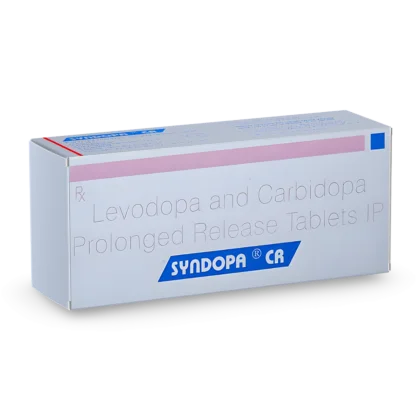
Syndopa CR 50 + 200 mg
Replenishes dopamine levels in the brain to help manage motor symptoms associated with movement disorders.
Levodopa (Sinemet) is a fundamental treatment for managing the symptoms of Parkinson’s disease and other related neurological conditions. By acting as a precursor to dopamine, this compound helps restore balance in brain chemistry to ease movement difficulties. One formulation is listed below — Syndopa CR 50 + 200 mg.
Replenishes dopamine levels in the brain to help manage motor symptoms associated with movement disorders.
Levodopa is a chemical building block that your body converts into dopamine, a neurotransmitter—a chemical messenger—responsible for smooth, controlled muscle movement. Parkinson’s disease occurs when nerve cells in the brain produce less dopamine, leading to common physical symptoms like tremors, stiffness, and slow movement. Because dopamine itself cannot cross the protective barrier surrounding your brain, taking it directly would not work.
Instead, you take this compound, which travels easily into the brain. Once it reaches its target area, brain enzymes transform it into dopamine. This process effectively bridges the gap caused by the condition. You will often find it paired with other substances like carbidopa, which prevents your body from converting the medication into dopamine prematurely, ensuring more of it reaches the brain where it is needed most.
Products containing this ingredient are strictly regulated as therapeutic agents across the United States, United Kingdom, Australia, Canada, and other international markets. Because this compound manages complex neurological conditions, it requires formal oversight. Regulations ensure that every batch meets rigorous standards for purity and precise measurement of active ingredients.
Across global markets, these formulations are classified as prescription-only medications. You will find that requirements for dispensing vary slightly depending on your jurisdiction, but they consistently mandate that a qualified professional manages your treatment plan. This ensures your unique health history, including any previous exposure to similar compounds, is accounted for before you initiate use.
This medication is primarily used to address the motor symptoms of Parkinson’s disease. It assists with common challenges like bradykinesia, which is a significant slowing of physical movement. It also addresses resting tremors, muscular rigidity, and difficulties with gait or balance.
Beyond Parkinson’s, it is sometimes used in the care of parkinsonism resulting from other environmental or hereditary factors. It does not stop the underlying progression of the condition, rather it manages the external physical effects. By stabilizing your dopamine levels, it eases the physical barriers to performing daily tasks and helps maintain mobility.
This compound works by overriding the deficit in your central nervous system. When your basal ganglia—a group of structures in the brain that control voluntary movement—receive the dopamine they lack, your nerve cells begin to communicate more effectively again. This direct replenishment of neurotransmitters explains why it is the standard for managing motor control.
Because your body is quite active in processing this medication, the timing of how you take it often influences how consistently you feel its results. Many formulations are designed to control the release of the compound, helping to maintain stable blood levels and preventing the “on-off” fluctuations in movement that some people experience as the medication wears off throughout the day.
Levodopa belongs to a class of compounds known as dopamine precursors. These substances share a common purpose: they are inactive on their own and only become biologically active upon entering the brain. They are distinct from dopamine agonists, which typically mimic the effect of dopamine on receptor sites rather than providing the raw material to create it.
This class is essentially the chemical foundation of movement therapy. By focusing on replacing what is missing rather than tricking your receptors, this class aims to restore natural patterns of activity within your nerve pathways. It remains the most studied and frequently consulted group of compounds for those addressing movement disorders.
Before you begin, share your full medical history with your provider, especially if you have heart, kidney, or liver issues. Always keep a list of your other medications, including vitamins and supplements, to avoid potential clashes. Tell your team if you have a history of glaucoma or skin conditions like melanoma, as this compound may involve monitoring in those instances.
Common responses often involve your digestive system, such as nausea or loss of appetite, which usually settle as your body adapts to the medication. Some people may experience dizziness upon standing or fluctuations in energy levels throughout the day. If you notice unusual changes in mood or unexpected muscle movements, report these sensations to a provider promptly, as they may suggest a need to adjust your timing or dose.
Certain medications, particularly older types of antidepressants or blood pressure treatments, can negatively interact with this compound. Your dietary intake, specifically high-protein meals, may interfere with how quickly the medication enters your bloodstream. Product labeling and verified clinical sources remain the correct references for specific contraindications, interactions, and potential reactions.
This information provides an educational overview of levodopa and is not medical advice. Individual products containing this ingredient may differ significantly in formulation, strength, and directions. This page does not authorize clinical application, self-directed interpretation, or unsupervised use of any compound. Readers should always review individual product labeling and speak with a healthcare professional regarding their health concerns whenever clinical judgment is required for safe treatment.