

Bigomet 500 Mg Tablet
Improves how your body responds to insulin and lowers glucose production in the liver after meals.
Metformin — the active ingredient often associated with Glucophage — is a widely used oral medication for managing blood sugar levels in those with type 2 diabetes. Below are three generic formulations available, including Bigomet 500 mg, Bigomet 850 mg, and Glycomet 1000 mg, providing various options to support different treatment plans.
Improves how your body responds to insulin and lowers glucose production in the liver after meals.

Optimizes how the body balances blood sugar levels by improving insulin sensitivity and lowering glucose liver production.
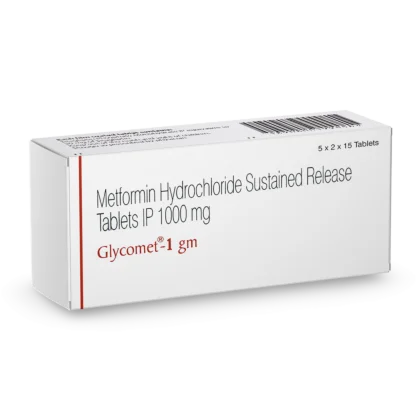
Improves how your body responds to insulin and lowers the amount of sugar produced by the liver.
Metformin belongs to a class of drugs known as biguanides. Unlike some other diabetes medications that stimulate the pancreas to pump out more insulin, this compound works by changing how your body handles the sugar already present in your system. It is a cornerstone in the management of glucose levels because it addresses the liver’s glucose production and increases your muscle cells’ sensitivity to insulin.
You will find it as an oral tablet, which is typically taken with meals to minimize digestive discomfort. Because it is a well-studied generic staple in global healthcare, various manufacturers produce it in standard dosages, allowing for flexible titration—adjusting your intake—as guided by your healthcare team.
Metformin is a prescription-only medication across major global markets including the United States, United Kingdom, Australia, and Canada. Because it directly influences metabolic pathways, it requires clinical oversight to ensure it is the right choice for your unique health profile.
While widely available in pharmacies worldwide, the specific regulations governing its sale may differ between regions like the European Union and Asia. Always ensure that any formulation you obtain is sourced through legitimate, regulated channels that require proof of clinical assessment.
This medication is primarily used to manage blood glucose levels in adults and children with type 2 diabetes. It is often a first-line choice because it helps keep sugar levels in a healthy range without typically causing the dramatic blood sugar drops associated with some other diabetes treatments.
Beyond its foundational use in diabetes care, clinicians may sometimes include it in broader metabolic health strategies. It assists the body in utilizing its own insulin more effectively, which creates a more stable internal environment for those struggling with insulin resistance.
Metformin acts on three main fronts within your body to keep glucose levels steady. First, it tells your liver to dial back the amount of glucose it releases into your bloodstream. Second, it improves the way your insulin receptors function, making your muscle and fat cells more receptive to the insulin your body naturally produces.
Third, it decreases the amount of sugar your intestines absorb from the food you eat. By tackling these three processes simultaneously, the medication helps your body maintain a balanced glucose state throughout the day, rather than experiencing the sharp spikes that often follow meals.
The biguanide class is recognized for its unique ability to lower blood sugar without increasing the amount of insulin your pancreas produces. This is a significant distinction, as it reduces the likelihood of hypoglycemia—low blood sugar—which is a common concern with other classes of diabetes drugs like sulfonylureas.
Because biguanides do not force the pancreas to work harder, they are often considered a more sustainable long-term option for many people. This class remains unique in the pharmacopeia, as it focuses on metabolic efficiency rather than hormonal stimulation, earning it a primary role in global diabetes guidelines.
Before you begin, your doctor will check your kidney function, as this is how your body clears Metformin from your system. It is also important to disclose any history of metabolic acidosis or severe heart conditions, as these can influence whether this medication is appropriate for you.
When you first start taking this medication, you might notice temporary digestive changes like a metallic taste, mild nausea, or loose stools. These sensations often resolve as your body adjusts to the active compound, though taking your dose with food is a common strategy to keep things comfortable.
Metformin can interact with certain imaging dyes used in medical scans and some other medications that affect kidney function. Alcohol intake should be moderated because it can alter how your body processes glucose and increase the risk of certain side effects. Product labeling and verified clinical sources remain the correct references for specific contraindications, interactions, and potential reactions.
This overview provides an educational summary of Metformin and is not medical advice. Individual products containing this ingredient may differ in formulation, strength, and specific usage directions. This page does not authorize clinical application, self-directed interpretation, or unsupervised use of any listed medication. You should always review individual product labeling and speak with a healthcare professional regarding your specific health needs and before making decisions about your treatment.
Jun 12, 2026 ⋅ 5 min read
An overview of the different classes of diabetes medications, explaining how clinical factors influence treatment selection and the differences between common therapeutic options.
Jun 12, 2026 ⋅ 7 min read
A clinical overview of potential side effects, adverse reactions, contraindications, and drug interactions associated with common diabetes medications.
Jun 12, 2026 ⋅ 6 min read
An overview of common diabetes medication classes, including how they work, their primary indications, and key safety considerations for patients managing blood glucose levels.
Jun 12, 2026 ⋅ 6 min read
An educational overview of common diabetes medication classes, exploring how different drugs manage blood glucose levels through distinct mechanisms of action.