
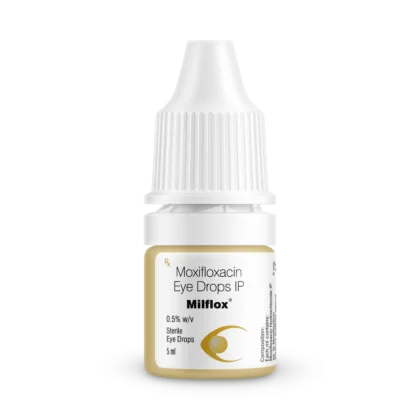
Milflox 0.5% 5 ml
Eliminates bacteria by inhibiting essential enzymes needed for DNA replication and repair within infectious cells.
Moxifloxacin (Vigamox) is a potent fluoroquinolone antibiotic primarily used to clear up bacterial infections of the eye. Its ability to stop bacteria from multiplying makes it a reliable choice for managing conjunctivitis. Two generic formulations — Milflox 0.5% 5 ml and Mosi Eye Drop — are listed below in ophthalmic drop formats.
Eliminates bacteria by inhibiting essential enzymes needed for DNA replication and repair within infectious cells.
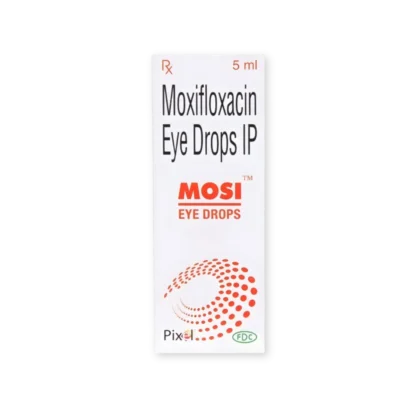
Combats bacterial infections by blocking essential enzymes required for microbial DNA replication and repair within cells.
Moxifloxacin is a synthetic, broad-spectrum antibiotic that belongs to the fluoroquinolone chemical class. Instead of tackling infections throughout the entire body, this version is specifically designed for local application in the eyes. By preventing the specific enzymes that bacteria rely on for survival, it stops the infection from spreading, allowing your body to resolve the issue more quickly.
Because this compound is highly effective, it has become a staple in eye care. Different pharmaceutical companies produce it as a generic, giving you options for brand-name equivalents that use the same active compound. These formulations are typically available in liquid drop form to ensure the medicine reaches the surface of the eye effectively.
Moxifloxacin is a regulated pharmaceutical ingredient controlled by health authorities across the United States, United Kingdom, Australia, and Canada. In these regions, products containing this compound typically require a prescription from a licensed eye specialist or general practitioner. This regulation ensures that it is only used for confirmed bacterial infections rather than viral or allergic irritation.
While regulatory requirements remain consistent regarding medical oversight, local pharmacy practices vary between Global markets. In some areas, pharmacies may require a direct digital request from your clinician, while others may provide access through regional pharmacy networks. Always verify the specific requirements for your location to ensure you follow local health guidelines.
This medication is used to address bacterial conjunctivitis, commonly known as pink eye. It works by targeting the specific bacteria causing inflammation, redness, and discharge in the eyeball or the tissues surrounding it. Beyond conjunctivitis, clinicians may occasionally include it in care for other surface-level bacterial eye conditions.
It does not address infections caused by viruses, fungi, or seasonal allergies. If you are experiencing symptoms like extreme sensitivity to light or blurred vision, those may indicate a condition beyond the scope of this antibiotic.
When you administer these drops, the medicine is absorbed into the tissues of the eye to begin its work. It interferes with two core bacterial enzymes: DNA gyrase and topoisomerase IV. Think of these enzymes as the “copy machines” that bacteria use to replicate their genetic code. By blocking these machines, moxifloxacin effectively stops the bacteria from building new cells.
Once the bacteria can no longer copy their DNA, the population stops growing. This halts the infection in its tracks and gives your immune system the upper hand to clear away the existing bacteria. The process is precise, focusing on bacterial cell structure while leaving your own cells largely untouched.
Moxifloxacin falls into the fluoroquinolone family of antibiotics. This class is well-regarded for its rapid uptake and ability to combat a wide variety of bacterial strains that often resist simpler antibiotics. Most fluoroquinolones act through the same mechanism of inhibiting DNA replication, making them highly effective against gram-positive and gram-negative bacteria alike.
Because they are powerful, this class is usually reserved for targeted use when other, narrower-spectrum options might not be sufficient. In eye care, this selectivity allows for short-term application that directly resolves the localized bacterial burden.
Check with your provider if you have a known chemical sensitivity to fluoroquinolones or other antibiotics. Because this is applied locally, systemic absorption is generally low, but it remains important to report any history of severe allergic reactions to related medications.
You might experience mild stinging, blurred vision, or dryness immediately after applying the drops. These sensations are usually temporary and diminish as the eye adjusts to the medication. If you notice signs of a new or worsening infection, or symptoms of an allergy like hives or swelling, stop usage and reach out to your provider.
While eye drops interact less frequently with internal medications than oral drugs, you should still disclose all current eye care products or contact lens solutions to your clinician. Ensure that the surface of your eye is free from significant injury before starting treatment, as the healing process may require a different clinical approach. Product labeling and verified clinical sources remain the correct references for specific contraindications, interactions, and potential reactions.
This page provides an educational overview of moxifloxacin and is not medical advice. Individual products containing this ingredient may differ in formulation, concentration, and usage guidelines. This platform does not authorize self-directed clinical application, interpretation, or unsupervised use of antibiotic treatments. Always review the labeling on your specific product and speak with a qualified healthcare professional when clinical judgment is needed to address any eye health concerns.

Jun 12, 2026 ⋅ 5 min read
A professional overview of common side effects, adverse reactions, contraindications, and potential interactions associated with antibiotic medications.
Jun 12, 2026 ⋅ 6 min read
A guide to understanding antibiotics, their classifications, mechanisms of action, and core safety considerations for patients seeking information on bacterial infections.
Jun 12, 2026 ⋅ 5 min read
Understand how healthcare professionals differentiate between various antibiotic options, including factors like efficacy, dosage forms, and patient-specific needs.
Jun 12, 2026 ⋅ 5 min read
An educational overview of common antibiotic drug classes, exploring how these medications function, their typical clinical applications, and the distinct characteristics of each major group.