
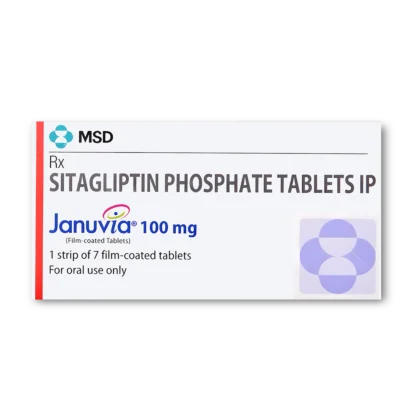
Januvia 100 mg
Promotes insulin production and regulates blood sugar levels by blocking enzymes that break down natural incretin hormones.
Sitagliptin, primarily known by the brand name Januvia, is a medication used to help manage blood sugar levels in people living with type 2 diabetes. You will find two formulations listed below — Januvia 100 mg and Januvia 50 mg — which serve as options for those working with their healthcare team to maintain glycemic control.
Promotes insulin production and regulates blood sugar levels by blocking enzymes that break down natural incretin hormones.
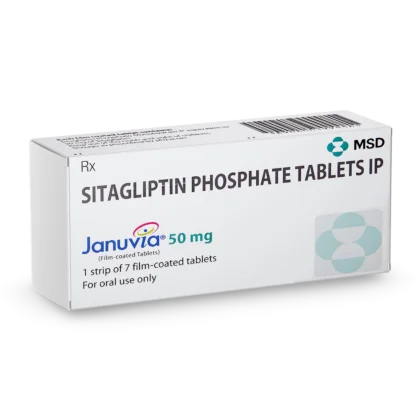
Regulates insulin release and suppresses excessive glucose production to maintain stable blood sugar levels in patients.
Sitagliptin belongs to a class of compounds known as DPP-4 inhibitors. You might hear these referred to as “gliptins.” Unlike some other diabetes treatments that might directly force your body to produce more insulin regardless of your current glucose levels, these medications work in a more targeted way by responding to the sugar levels already present in your bloodstream.
Because everyone processes carbohydrates and manages insulin sensitivity differently, clinicians often look for ways to adjust treatment without significantly impacting the risk of low blood sugar. This compound is typically used alongside diet and exercise to achieve long-term management goals, providing a consistent way for your body to process glucose more effectively throughout the day.
This medication is strictly regulated as a prescription-only pharmaceutical in major markets worldwide. In countries like the United States, the United Kingdom, Australia, and Canada, you cannot obtain these tablets without a valid order from a licensed healthcare provider. The regulatory status reflects the importance of regular monitoring, such as checking your HbA1c levels, to ensure the medication is performing as expected.
Since therapeutic needs vary between individuals, different strengths are manufactured to match the specific requirements of a clinical treatment plan. Regulatory bodies across the globe ensure that these products meet strict manufacturing guidelines for purity and potency, regardless of where they are distributed.
Sitagliptin is used specifically to improve glycemic control in clinical cases of type 2 diabetes mellitus. It is not intended for the management of type 1 diabetes or for treating diabetic ketoacidosis. By helping your body maintain more stable blood sugar levels, it addresses the underlying difficulty some people face in regulating glucose after eating.
When your blood sugar remains within a healthy target range, it reduces the strain on your system over months and years. This medication is often integrated into ongoing care routines as one component of a broader strategy that includes monitoring your nutrition and daily activity.
Your digestive system naturally produces hormones called incretins after you eat, which signal your pancreas to release insulin and your liver to stop overproducing glucose. An enzyme in your body, known as DPP-4, typically breaks these hormones down quite rapidly, causing their beneficial effects to fade away after just a few minutes.
Sitagliptin acts as a shield, blocking that DPP-4 enzyme from deactivating your natural incretin hormones. By keeping these signals active for a longer period, your body stays better tuned to its own sugar levels, allowing it to produce insulin more effectively when your blood sugar rises.
Sitagliptin is part of the dipeptidyl peptidase-4 (DPP-4) inhibitor family. This class is well-regarded for its relatively low impact on weight and its unique ability to work in tandem with your body’s natural hormonal responses. Because they only exert their effect when blood sugar levels are elevated, these medications are less likely to cause a sudden drop in glucose, a common concern with some older diabetes treatments.
These drugs have become a staple in modern chronic care because they allow for once-daily oral dosing. This simplicity helps many people stay consistent with their regimen, which is a major factor in successfully managing a long-term condition like type 2 diabetes.
Before you start any new treatment, it is vital to share your full medical history with your provider. Specifically, mention any history of problems with your pancreas, such as pancreatitis, or any existing kidney conditions, as these can change how your body handles this medication.
While this medication is generally well-tolerated, some people may notice mild respiratory symptoms or cold-like sensations when they first begin. The most important clinical sign to be aware of—though rare—is persistent or severe abdominal pain, which should always be treated as a reason to contact a healthcare professional immediately.
Your other medications can interact with DPP-4 inhibitors, so clarify all current prescriptions and supplements with your lead clinician. If you are pregnant, planning to become pregnant, or breastfeeding, share this information as well, as the effects of this compound in those situations are not yet fully established. Product labeling and verified clinical sources remain the correct references for specific contraindications, interactions, and potential reactions.
This overview explains Sitagliptin for educational purposes and is not intended to serve as medical advice or a substitute for expert clinical guidance. Individual products containing this compound may vary in strength and manufacturer-specific directions. This page does not authorize the self-directed use of this medication or the interpretation of clinical outcomes without supervision. Please review the specific labeling provided with your product and speak with a healthcare professional to determine the routine that is appropriate for your health needs.
Jun 12, 2026 ⋅ 5 min read
An overview of the different classes of diabetes medications, explaining how clinical factors influence treatment selection and the differences between common therapeutic options.
Jun 12, 2026 ⋅ 7 min read
A clinical overview of potential side effects, adverse reactions, contraindications, and drug interactions associated with common diabetes medications.
Jun 12, 2026 ⋅ 6 min read
An overview of common diabetes medication classes, including how they work, their primary indications, and key safety considerations for patients managing blood glucose levels.
Jun 12, 2026 ⋅ 6 min read
An educational overview of common diabetes medication classes, exploring how different drugs manage blood glucose levels through distinct mechanisms of action.