
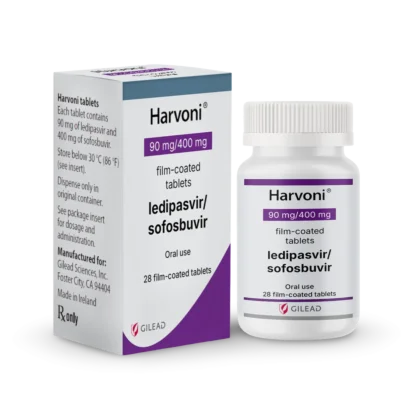
Harvoni Tablet 90 Mg+400 Mg
Blocks specific viral proteins to prevent the hepatitis C virus from replicating and spreading in the body.
Sofosbuvir is a direct-acting antiviral medication recognized for its role in the management of chronic hepatitis C virus (HCV) infections. Products listed below include Harvoni and Velasof, which provide different therapeutic combinations for treating specific viral genotypes. These formulations are designed to simplify the approach to managing chronic liver infection caused by the virus.
Blocks specific viral proteins to prevent the hepatitis C virus from replicating and spreading in the body.
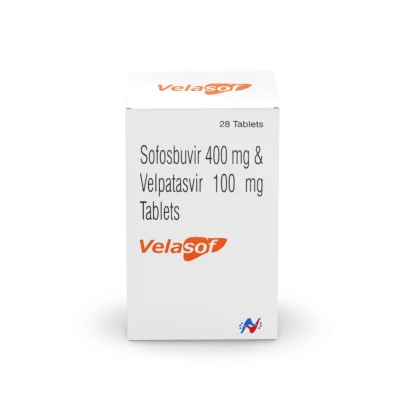
Targets viral replication enzymes to clear underlying infection and prevent further liver damage from viral activity.
Sofosbuvir functions as a nucleotide analog, a specific type of compound that effectively mimics the building blocks of viral genetic material. By tricking the hepatitis C virus during its replication process, the medication stops the virus from creating new copies of itself. This mechanism significantly lowers the viral load in your bloodstream, allowing your immune system to better manage the infection.
You will typically find this ingredient paired with other antiviral compounds in combination therapies, such as ledipasvir or velpatasvir. These combinations are formulated to target the virus at different stages of its life cycle, which has shifted how clinicians approach HCV treatment. Because the virus is prone to mutation, using these combination medications helps ensure the treatment remains effective against various strain types.
Products containing this ingredient are strictly regulated as prescription medications across major markets, including the United States, United Kingdom, Australia, and Canada. Because hepatitis C treatment requires precise monitoring of viral response and liver function, you cannot obtain these medications over the counter. Regulatory agencies in these regions require that you speak with a healthcare provider to ensure a specific formulation is appropriate for your viral genotype.
While global standards for antiviral distribution are generally high, the regulatory status remains consistent across the European Union and other international markets. Local pharmacies and licensed distributors operate under strict mandates to verify the validity of medical oversight before dispensing these antiviral compounds. Always confirm that your source follows regional safety standards for pharmaceutical distribution.
This medication is used to address chronic hepatitis C, a viral infection that causes inflammation of the liver. The goal of using these formulations is to achieve sustained virologic response, which means the virus is no longer detectable in your blood after you finish the course of treatment. By reducing liver inflammation, the compound assists your body in preventing the progression to more serious liver complications like fibrosis or cirrhosis.
When you take this medication, it is processed by your body into its active form that specifically targets the NS5B polymerase enzyme. Think of this enzyme as the engine the virus uses to copy its RNA; when the medication blocks this engine, the virus loses the ability to duplicate its genetic blueprint. This interruption is the primary reason why the treatment is so effective at halting the spread of the virus within your liver cells.
Sofosbuvir belongs to a class known as direct-acting antivirals (DAAs). Unlike older, non-specific treatments that often came with widespread systemic side effects, DAAs are designed to hit specific viral proteins with high precision. This class has revolutionized the management of viral liver disease by offering shorter treatment durations and higher rates of viral clearance.
These medications are strictly focused on the molecular machinery of the virus rather than the human body’s own cellular processes. This specificity is why identifying your exact virus genotype is a requirement — the medication is designed to recognize and inhibit the particular genetic architecture of the hepatitis C virus.
Before starting any regimen involving this ingredient, you must verify your viral genotype through laboratory testing. You should also share your full medical history with a provider, specifically focusing on any past hepatitis B infections, as there are specific safety protocols to avoid the reactivation of dormant viruses.
Common experiences during treatment include fatigue, headaches, or nausea as your body adjusts to the intense antiviral activity. While many patients manage these symptoms, any persistent discomfort should be monitored by your provider. Because the medication places a specific focus on liver-related activity, regular blood tests are standard to track how well your system is processing the compounds.
Certain herbal products, particularly St. John’s Wort, and various cardiac medications can interact with the way your body processes this antiviral. Always provide a full list of your current medications to ensure there are no clashes that could reduce the efficacy of your treatment. Product labeling and verified clinical sources remain the correct references for specific contraindications, interactions, and potential reactions.
This overview provides educational information about Sofosbuvir and is not a substitute for professional medical advice, diagnosis, or treatment. Individual products containing this ingredient may differ significantly in formulation, strength, and specific directions for use. This page does not authorize the unsupervised or self-directed application of these medications. Please review all individual product labeling and consult with a qualified healthcare professional when clinical judgment is required for your liver health.