

Kenacort Cream 0.1% (5 Gm)
Reduces skin inflammation and swelling by shifting the immune response at the surface level where applied.
Triamcinolone (Kenacort) is a versatile corticosteroid used to manage a wide range of inflammatory conditions, from skin irritations to joint swelling. You will find two different formulations listed below, including options for topical application and injectable administration, developed to address specific medical needs across various international healthcare environments.
Reduces skin inflammation and swelling by shifting the immune response at the surface level where applied.
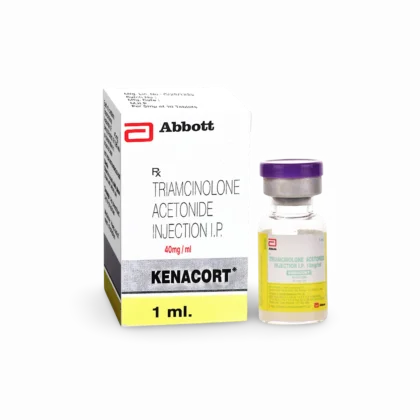
Reduces inflammation and suppresses overactive immune responses in various tissues to ease pain and swelling.
Triamcinolone is a synthetic glucocorticoid, a type of medication that mimics the naturally occurring hormones produced by your adrenal glands. Because it is highly effective at tempering your body’s immune response, researchers and physicians have used it for decades to ease irritation and overactive inflammatory signals.
You might encounter this ingredient in different preparations because of the way it interacts with your body. Topical forms act locally on surface tissues like your skin, while injectable versions are designed to reach deeper structures, such as inflamed joints or tendon tissues. By providing these delivery methods, manufacturers ensure that the medication reaches the precise area where it is needed most.
Products containing triamcinolone are subject to strict healthcare oversight across global markets, including the United States, United Kingdom, Australia, and Canada. In almost every jurisdiction, this compound is classified as a medicine that requires a valid prescription or medical authorization.
The regulatory status is designed to ensure that you use the correct strength and form for your specific condition. Because corticosteroids can affect your body’s hormone-regulated processes, pharmacies in these regions require professional verification before dispensing these medications. Always verify the specific rules in your location, as local policies regarding pharmacy access and availability can change.
Triamcinolone is primarily used to address inflammation resulting from immune or allergic reactions. When you apply or receive this medication, it works to calm the affected area, which helps reduce symptoms like persistent itching, redness, swelling, and tenderness.
Common applications include managing chronic skin issues like eczema or psoriasis, where inflammation causes discomfort and irritation. For injectable forms, the ingredient is often used to treat localized joint or soft-tissue swelling, such as those associated with bursitis or tendonitis. It serves as a tool for symptom management rather than a permanent fix for the underlying condition.
This medication works by penetrating cells and binding to your internal receptors. Once attached, it discourages the production of chemical messengers—the “alarm signals” your body sends out during an inflammatory response. By silencing these signals, it stops the rapid arrival of inflammatory cells at the problem site.
Essentially, it acts as a “volume knob” for your immune system in the treated area. It prevents your body from overreacting to stimuli, which allows your tissue to rest, heal, and return to a more comfortable state. Because it is quite potent, this process is usually reserved for when milder treatments struggle to quiet your symptoms.
Triamcinolone belongs to the corticosteroid class, a group of powerful compounds derived from the body’s natural cortisol. These substances are well-known in medicine for their ability to exert profound effects on how your cells handle proteins, carbohydrates, and immune activity.
The class is defined by its anti-inflammatory and immunosuppressive properties. While other drugs in this family might work faster or last longer, triamcinolone is often chosen for its balanced profile, making it a reliable staple in dermatological care and rheumatology clinics worldwide.
Before using a corticosteroid, it is essential to consider your medical history, particularly if you have underlying infections, diabetes, or circulation issues. Some people have sensitivities to certain ingredients found in creams or injectable bases, so checking the full list of inactive components is a standard precaution.
Because this medication modulates immune activity, it can cause changes in the skin at the application site, such as thinning or changes in pigment, if used for too long or in high concentrations. Injectable forms may sometimes cause temporary localized irritation or systemic effects if absorbed in larger amounts.
Triamcinolone can interact with other treatments or exacerbate specific health conditions, especially when used near the eyes or on broken skin. Your liver processes these compounds, so existing conditions in your metabolic pathways should be shared with your provider. Product labeling and verified clinical sources remain the correct references for specific contraindications, interactions, and potential reactions.
Triamcinolone is a potent medication that requires a clear understanding of its therapeutic role, but this page is for educational purposes only and not medical advice. Individual products containing this ingredient may differ significantly in formulation, strength, and appropriate application instructions. This page does not authorize the clinical application, self-directed interpretation, or unsupervised use of these materials. Always review individual product labeling and speak with a healthcare professional when clinical judgment is needed for your specific health situation.
Jun 12, 2026 ⋅ 5 min read
An analytical guide exploring the differences between common inflammation medications, including corticosteroids, focusing on how clinical factors influence treatment selection.
Jun 12, 2026 ⋅ 6 min read
An analytical guide exploring the differences between steroid medications, including efficacy profiles, onset of action, dosage forms, and key clinical selection factors.
Jun 12, 2026 ⋅ 7 min read
A guide to the safety profile of inflammation-reducing medications, covering common side effects, adverse reactions, contraindications, and potential drug interactions.
Jun 12, 2026 ⋅ 6 min read
An educational guide to medications used to manage inflammation, covering primary drug classes, general mechanisms of action, and key safety considerations for patients.
Jun 12, 2026 ⋅ 6 min read
A clinical overview of the safety profile of corticosteroid medications, covering potential side effects, adverse reactions, contraindications, and drug interactions.
Jun 12, 2026 ⋅ 6 min read
A guide to understanding corticosteroid medications, including their mechanisms of action, common medical indications, primary drug classes, and safety considerations for patients.