
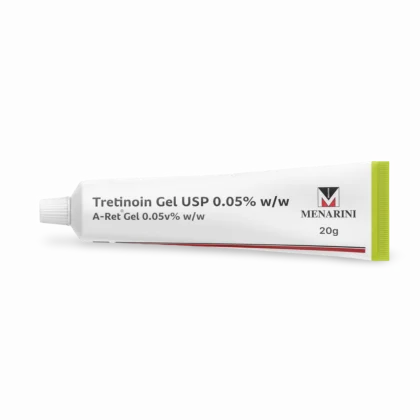
A Ret Gel 0.025% (20 gm)
Accelerates skin cell renewal to clear blocked pores, fade acne marks, and smooth surface lines.
 Acne Medications
 Living with acne often feels overwhelming when your skin impacts your confidence and daily comfort. This inflammatory skin condition develops when hair follicles become blocked with oil and dead skin cells, leading to various types of breakouts. Eighteen formulations are listed below, including topical retinoids, oral antibiotics, and topical agents like azelaic acid and erythromycin.
Accelerates skin cell renewal to clear blocked pores, fade acne marks, and smooth surface lines.
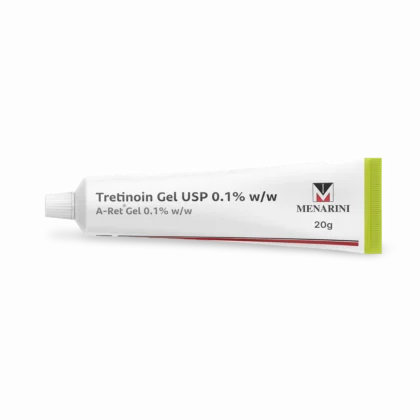
Accelerates skin cell turnover to clear blocked pores, smooth texture, and reduce the appearance of fine wrinkles.
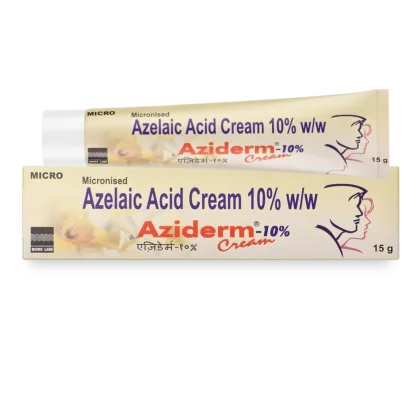
Directly combats acne-causing bacteria and reduces surface inflammation to clear breakouts and even out skin tone.
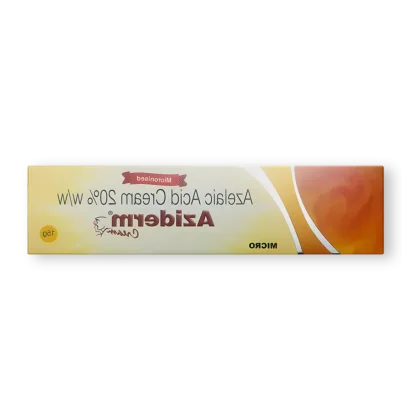
Reduces acne-causing bacteria and calms skin inflammation to improve texture and clear up uneven pigmentation.
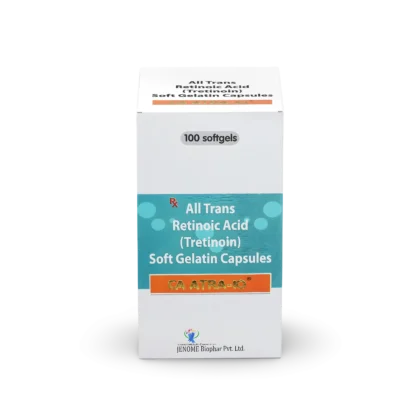
Accelerates skin cell renewal to clear blocked pores, fade acne marks, and smooth surface skin lines.
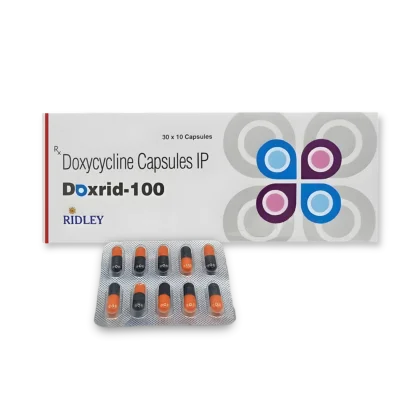
Targets protein synthesis within bacterial cells to halt their growth and manage a wide range of infections.
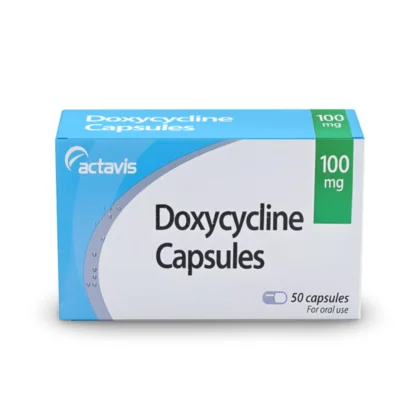
Targets protein production within bacteria to stop their growth and assist your immune system in clearing infections.
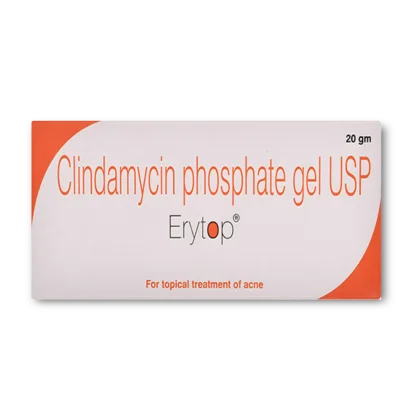
Targets acne-causing bacteria by inhibiting protein synthesis within the cell wall to reduce inflammation and breakouts.
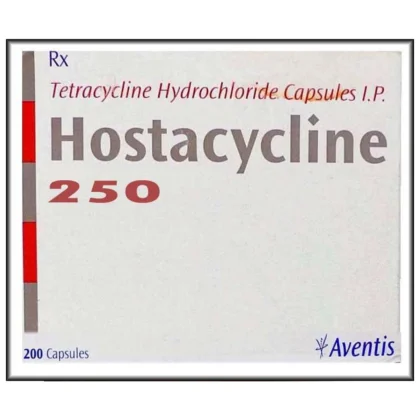
Targets protein production within bacteria to stop their growth and expansion across different tissues.
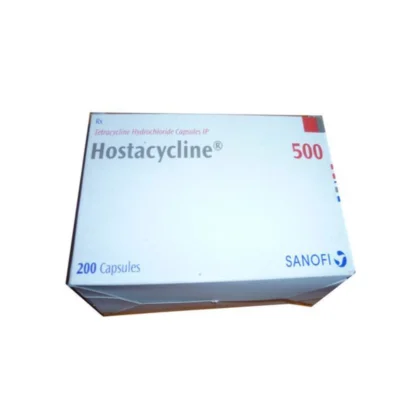
Targets bacterial protein synthesis with tissue persistence that enables broad-spectrum management of various infection types.
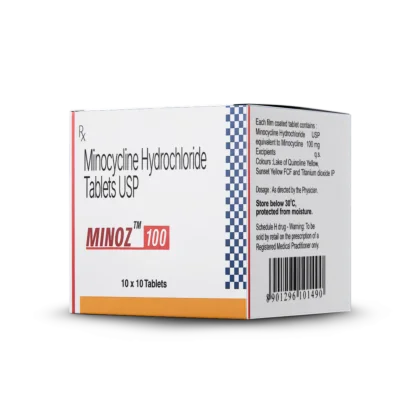
Targets bacterial protein synthesis to clear inflammatory lesions and address systemic bacterial infections at their source.
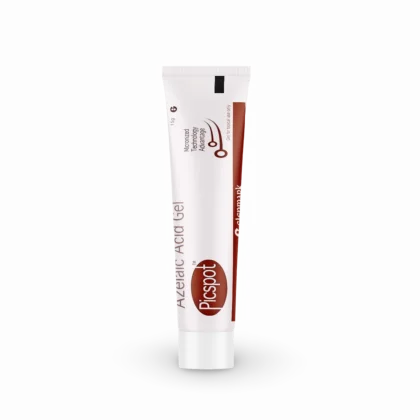
Targets acne-causing bacteria and reduces skin inflammation through a dual-action antibiotic and vitamin-based formula.
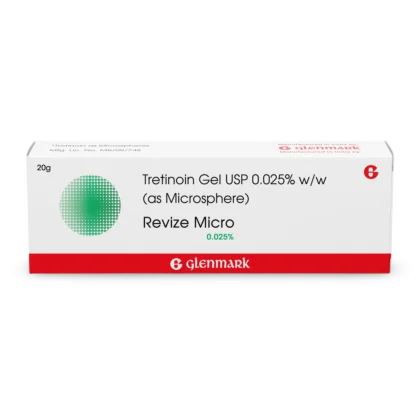
Accelerates skin cell turnover to clear blocked pores, fade acne marks, and smooth surface skin texture.
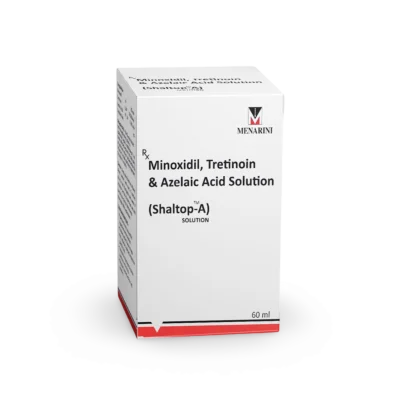
Combining localized stimulation for hair follicles with accelerated cell turnover to clear pores and refine skin texture.
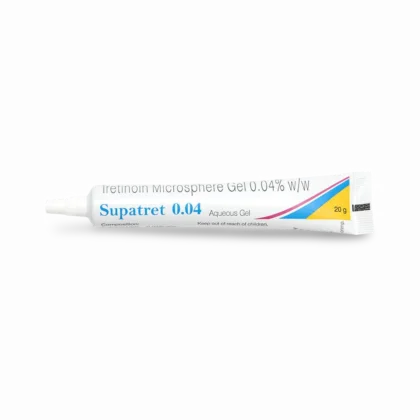
Accelerates skin cell renewal to clear blocked pores, fade acne marks, and smooth surface lines.
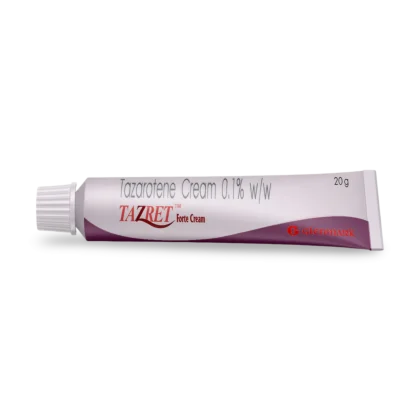
Regulates skin cell turnover to clear blocked pores and address excessive cell pile-up in dermatologic conditions.
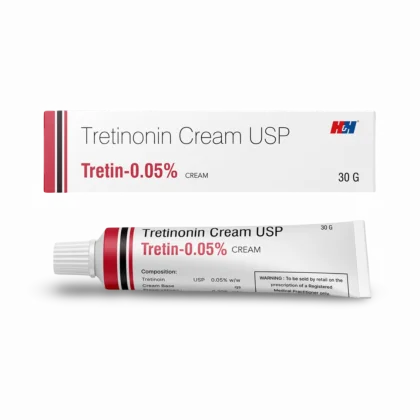
Accelerates skin cell renewal to clear blocked pores, fade acne marks, and smooth surface lines.
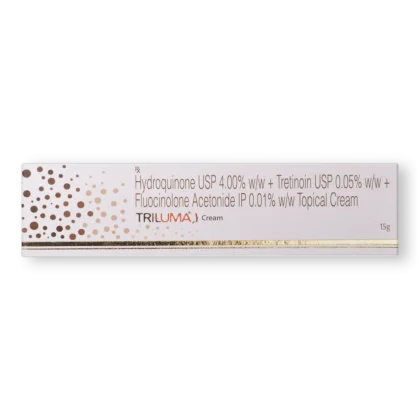
Addresses skin discoloration by slowing melanin production, reducing inflammation, and accelerating the natural cycle of skin turnover.
Acne is a skin condition that occurs when the small pores on the surface of your skin become plugged. When these pores trap oil, bacteria, and dead skin cells, the resulting inflammation creates blemishes ranging from mild blackheads to deep, painful cysts. While frequently associated with the hormonal shifts of adolescence, it often persists or develops for the first time well into adulthood.
Beyond the physical appearance of breakouts, acne may cause significant emotional distress or discomfort. The condition most commonly affects areas of the skin with a high density of oil glands, such as the face, neck, chest, back, and shoulders. Understanding that your skin is reacting to a combination of physiological factors rather than behavioral choices is an important step in managing the condition.
Treatment approaches for acne focus on clearing existing blemishes, preventing new ones, and limiting the potential for long-term skin scarring. Healthcare providers typically categorize treatments based on whether the primary concern is bacterial growth, pore congestion, or underlying inflammation. Access to these medications varies across major international markets, with some formulations requiring clinical guidance through registered pharmacies.
Topical therapies serve as a cornerstone, often utilizing agents that encourage cell turnover or reduce bacterial presence directly on the skin. When topical approaches are insufficient, systemic treatments—those that work throughout the body—may be considered. These treatments work to address the root causes of inflammation from within, often requiring closer monitoring by a healthcare provider to ensure the selected therapy remains suitable for your health profile.
Navigating the available options involves understanding the distinct categories of ingredients used to manage flare-ups. Each class of medication functions differently, and your specific needs often depend on the severity and frequency of your breakouts.
These derivatives of vitamin A work by regulating skin cell turnover. By preventing dead skin cells from clogging pores, they reduce the formation of micro-comedones—the earliest stage of a breakout. These formulations arrive in various concentrations and delivery forms, such as gels or creams, designed to be applied directly to affected areas.
These medications combat the growth of bacteria associated with acne inflammation. Topical antibiotics are typically applied to specific spots or broader areas to reduce surface-level bacteria, while oral antibiotics are reserved for more persistent, inflammatory cases. They are often combined with other agents to address both bacterial presence and pore congestion simultaneously.
Ingredients like azelaic acid provide a different approach by neutralizing bacteria and reducing inflammation. These agents are often selected for sensitive skin or for individuals whose breakouts are characterized by significant redness and irritation. They may be used independently or as part of a multi-step routine alongside other topical treatments.
Choosing the right medication requires an assessment of your skin type and your general health history. Certain medications may cause sensitivity to sunlight, making consistent sun protection a necessary part of your daily routine. Always confirm that any new topical or oral treatment does not overlap with existing products you may be using.
It is common for skin to experience temporary dryness, redness, or peeling when starting new topical retinoids or antibiotic treatments. These signs often indicate that the active ingredients are working, but they require careful monitoring to ensure the skin barrier remains supported. If irritation becomes severe or persistent, the frequency of application or the specific formulation may need adjustment by a professional.
Some oral medications for acne can interact with other systemic drugs or may be influenced by existing health conditions, including liver or kidney function. Because these treatments work throughout the body, providing a full history of your health to your provider is essential. Product labeling and verified clinical sources remain the correct references for specific contraindications, interactions, and potential reactions.
This page provides an educational overview of acne and the medication categories listed — not medical advice. Individual products differ in active ingredient, formulation, strength, and directions. This page does not authorize self-directed selection, clinical interpretation, or unsupervised use. Readers should review individual product labeling and speak with a healthcare professional when clinical judgment is needed.
Jun 10, 2026 ⋅ 8 min read
A plain-language FAQ about how generic medicines are listed in the catalog.