
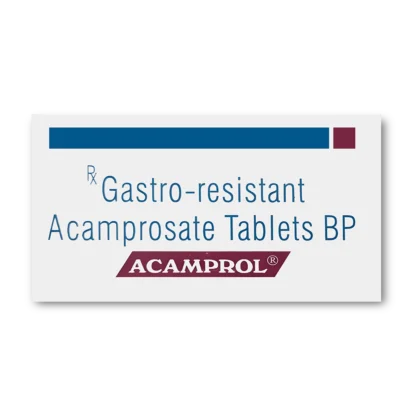
Acamprol 333 Mg
Supports physical restoration in the brain by balancing chemical signals disrupted during chronic alcohol intake.
 Alcohol Dependence Medications
 Living with alcohol dependence often involves navigating complex challenges that affect your physical health, mental well-being, and daily life. Recognizing the need for support is a significant and brave foundation for change. Three formulations are listed below, featuring acamprosate (Acamprol) to help maintain abstinence and disulfiram (Dizone, Esperal) to support recovery efforts.
Supports physical restoration in the brain by balancing chemical signals disrupted during chronic alcohol intake.
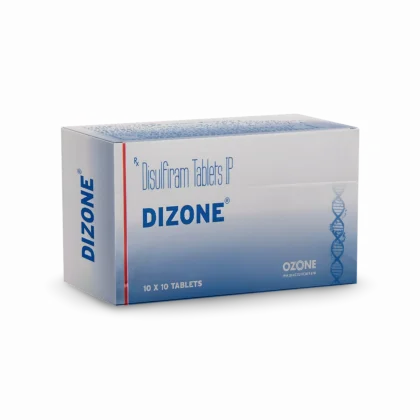
Creates an unpleasant physical reaction to alcohol ingestion to assist with long-term abstinence goals.
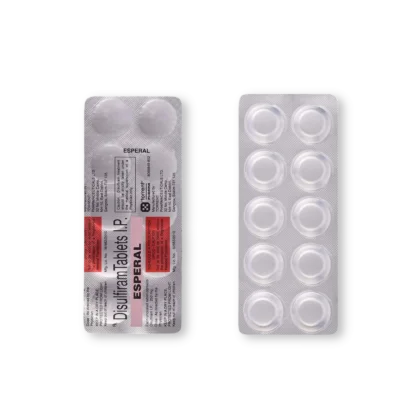
Alters the way your body processes alcohol to discourage consumption through an unpleasant physical reaction.
Alcohol dependence is a chronic pattern of alcohol use where the body and mind develop a strong, often uncontrollable need for alcohol. It goes beyond simple habit, functioning as a medical condition where your brain chemistry adapts to the presence of alcohol, leading to intense cravings and withdrawal symptoms when you attempt to stop. This condition touches every area of life, making it difficult to maintain balance, relationships, and health without active intervention.
Many people living with this dependence experience a cycle of craving and reliance. You may find that your body requires alcohol to function normally or to avoid the physical distress that occurs during periods of abstinence. Overcoming this condition requires patience and often a combination of behavioral support and medical strategies designed to recalibrate how your system responds to alcohol.
Treatment for alcohol dependence focuses on two primary goals: achieving abstinence and preventing relapse. Because the condition has both physical and psychological components, recovery is rarely a linear process. Medical treatments are categorized by their role in your overall plan: those that target brain chemistry to reduce cravings and those that create a physical deterrent to alcohol consumption.
In many regions, including international markets like the United Kingdom, Canada, and Australia, these medications are used as part of a broader, medically supervised recovery program. Approaches vary significantly based on your personal history, your stage of recovery, and your specific goals. While some medications assist by masking the rewarding effects of alcohol, others create a physical reaction if alcohol is consumed, which serves as a firm reminder of your commitment to sobriety.
Medications for alcohol dependence generally fall into classes defined by how they chemically support your recovery. Understanding these categories can help you have a more informed conversation with your doctor about which path aligns best with your needs, lifestyle, and health history.
These medications aim to restore balance to brain chemicals that may have been disrupted by long-term alcohol use. By stabilizing these chemical systems, they can help reduce the physical discomfort often associated with early abstinence. Rather than acting as a simple “blocker,” these agents work to dampen the underlying urge to drink, providing you with a more stable foundation as you pursue long-term recovery goals.
Aversive agents function by altering how your body processes alcohol. If you consume alcohol while these medications are in your system, they inhibit the enzyme that breaks down alcohol, leading to an immediate and uncomfortable physical response. This mechanism is designed to provide a firm, pharmacological barrier that discourages consumption, reinforcing your decision to remain alcohol-free during the most vulnerable moments of your recovery.
It is essential that you have a comprehensive evaluation with a healthcare professional before beginning any medication for alcohol dependence. Your provider will review your current liver and kidney function, as well as any other medications you are taking, to ensure the chosen treatment is appropriate for your specific physical health status.
Different medications carry distinct profiles regarding side effects and how they interact with your daily life. Because these drugs change how your body processes alcohol or neurotransmitters, you may experience adjustments in mood, digestion, or energy levels as your system stabilizes. Monitoring these changes with a doctor is a vital part of finding the right balance for your recovery journey.
Medications used in this category can have interactions with over-the-counter products, supplements, or other prescriptions you may take for mental or physical health. Always be transparent with your provider about all substances currently in your system. Product labeling and verified clinical sources remain the correct references for specific contraindications, interactions, and potential reactions.
This page provides an educational overview of alcohol dependence and the medication categories listed — not medical advice. Individual products differ in active ingredient, formulation, strength, and directions. The page does not authorize self-directed selection, clinical interpretation, or unsupervised use. Readers should review individual product labeling and speak with a healthcare professional when clinical judgment is needed.