
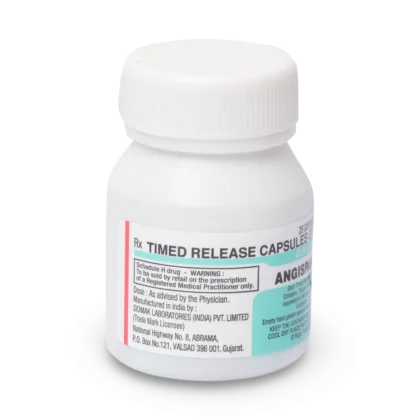
Angispan TR 2.5 Mg
Relaxes smooth muscles in blood vessels to improve oxygen delivery and ease blood flow-related symptoms.
 Anal Fissure Pain Medications
 Living with the intense discomfort of an anal fissure can be deeply isolating and physically draining. Dealing with sharp, chronic pain during and after bowel movements often impacts every part of your daily routine. Two topical formulations are listed below, specifically focusing on nitrates that help relax the internal anal sphincter to improve blood flow and support healing.
Relaxes smooth muscles in blood vessels to improve oxygen delivery and ease blood flow-related symptoms.
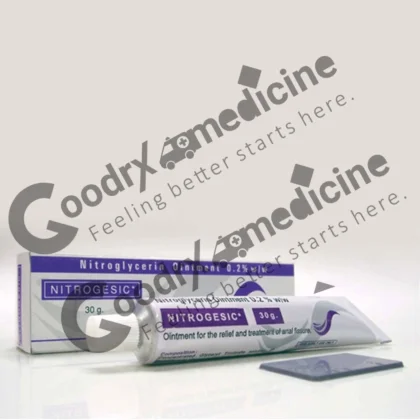
Relaxes smooth muscle tissue to increase blood flow and relieve discomfort in localized areas.
Anal fissures are small, thin tears in the thin, moist tissue that lines the anus. The primary symptom is a sharp, stinging, or burning pain during bowel movements, which may remain for several hours afterward. Because the area is sensitive, even minor tears can cause significant distress and may lead to bright red blood on the stool or toilet paper.
The pain associated with a fissure is often perpetuated by a cycle of muscle spasms. When the internal anal sphincter—the ring of muscle that keeps the anal canal closed—becomes tight or goes into spasm, it reduces the blood supply to the region. This lack of blood flow prevents the tear from healing properly, turning a temporary injury into a chronic, painful condition.
Treatment approaches for these tears focus on breaking the cycle of pain and muscle tension. Since the primary obstacle to healing is the spasm of the internal anal sphincter, common interventions use medications that encourage that muscle to relax. When tension decreases, blood flow increases, providing the tissue with the necessary environment to repair itself.
In many international markets, including major centers across the United Kingdom, Canada, and Australia, these treatments are typically available as topical applications. These creams or ointments are intended for direct application to the affected area. Healthcare providers often recommend combining these medications with lifestyle adjustments, such as increased fiber intake and hydration, to keep stools soft and minimize irritation during the recovery process.
The drug class most commonly utilized for this condition includes topical nitrates. These agents function by releasing nitric oxide, a substance that helps the smooth muscles of the anal canal relax. By applying the medication directly, you address the spasm locally, which minimizes the absorption into the rest of the body compared to oral alternatives.
Another consideration is the importance of consistent application as directed by your provider. Because the healing process depends on maintaining lowered muscle tension over time, skipping doses can lead to a return of the spasm and a delay in relief. Understanding that this is a gradual process can help you manage your expectations during your recovery.
Addressing the root cause of the fissure is as important as managing the pain. If a underlying condition like chronic constipation or a digestive disorder is present, these must be managed alongside topical treatment. Always ensure you are not hypersensitive to nitrates before initiating therapy for localized pain.
Topical nitrates may sometimes lead to localized side effects, such as mild itching or a brief stinging sensation upon application. For some individuals, the systemic absorption of the medication can cause transient headaches, which are a known side effect of the nitrate class. Should any reaction become persistent or distressing, it is important to pause the use and speak with a professional.
Certain health conditions—such as low blood pressure or those taking medications for erectile dysfunction—require careful consideration before using topical nitrates. Because these medications work by affecting blood vessel dilation, interactions are possible. Product labeling and verified clinical sources remain the correct references for specific contraindications, interactions, and potential reactions.
This page provides an educational overview of Anal Fissure Pain and the medication categories listed — not medical advice. Individual products differ in active ingredient, formulation, strength, and directions. The page does not authorize self-directed selection, clinical interpretation, or unsupervised use. Readers should review individual product labeling and speak with a healthcare professional when clinical judgment is needed.