
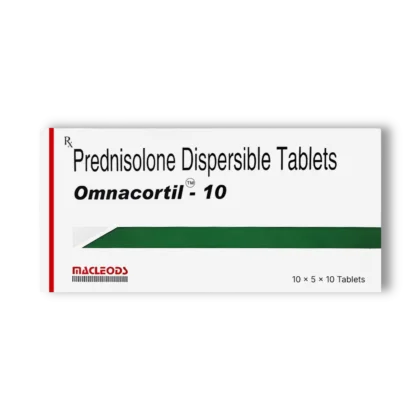
Omnacortil 10 Mg Tablet
Reduces inflammation and modifies immune responses to manage various allergic, autoimmune, and inflammatory physical conditions.
 Autoimmune Conditions Medications
 Living with an autoimmune condition often involves navigating complex physical symptoms and the emotional weight of a chronic diagnosis. Managing inflammation is frequently a primary goal for patients seeking stability and comfort. Four formulations are listed below, specifically corticosteroids representing oral prednisolone (Omnacortil) and ophthalmic prednisolone (Pred Forte) therapy.
Reduces inflammation and modifies immune responses to manage various allergic, autoimmune, and inflammatory physical conditions.
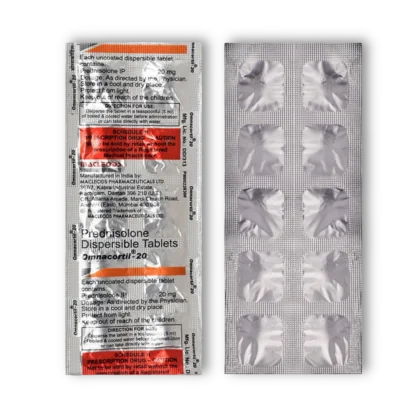
Reduces inflammatory and immune system responses by suppressing specific pathways that trigger swelling and allergic reactivity.
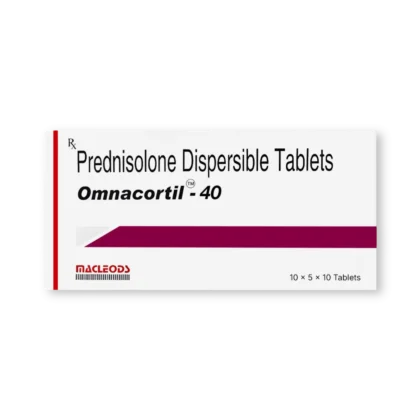
Reduces immune system responses and lowers tissue inflammation by mimicking natural hormones produced by your adrenal glands.
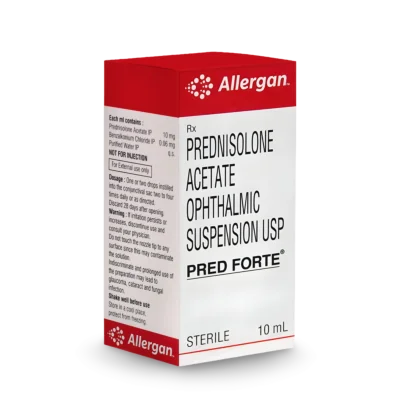
Reduces inflammatory responses by suppressing the immune system to ease swelling, redness, and underlying tissue irritation.
Autoimmune conditions occur when your immune system loses its ability to distinguish between healthy, self-produced cells and foreign invaders like bacteria or viruses. This internal system begins to release proteins called autoantibodies that attack your own tissues. Because this can affect almost any part of the body, symptoms vary widely, often including persistent fatigue, low-grade fevers, inflammation, or physical aches.
The experience of having these conditions is deeply personal, as the immune system’s activity can fluctuate over time. Flare-ups may occur during periods of high stress, environmental exposure, or hormonal changes, shifting from manageable days to periods of heightened discomfort. Understanding your body’s specific response is an essential step in finding a rhythm that allows you to maintain daily activities and overall well-being.
Treatment approaches focus on calming the overactive immune system, reducing inflammation, and preventing long-term damage to organs or tissues. Corticosteroids are widely used across global healthcare markets as a primary tool to rapidly decrease immune activity and systemic inflammation. These medications mimic hormones naturally produced by your adrenal glands to quiet the inflammatory response.
In many regions, including international markets for residents in the United States, United Kingdom, or Australia, these medications are strictly managed via physician supervision. Because they work throughout the body, treatment plans are tailored to your specific diagnosis—ranging from joint-related issues to inflammatory eye complications. Healthcare providers monitor these treatments closely to ensure the dosage remains effective while balancing the body’s natural hormone production.
Medications for these conditions are generally categorized by how they are absorbed and the areas of the body they target. While all formulations in this category utilize corticosteroid action to address inflammation, the delivery method determines how the medication interacts with your immune system.
Oral tablets provide a systemic approach, meaning the medication enters your bloodstream to address widespread inflammation throughout the body. These are often used for managing chronic or acute systemic flare-ups that affect multiple joints or systems. You will often see these prescribed in varying strengths to match the intensity of the immune response being regulated.
Topical or localized ophthalmic formulations, such as medicated eye drops, allow for targeted treatment. These are designed to concentrate the anti-inflammatory effects in specific areas, such as the eyes, while minimizing exposure to the rest of the body. This separation allows for localized management of inflammation without requiring higher doses that would affect your entire system.
Corticosteroids carry systemic effects that require careful oversight by your medical team. Before beginning, discuss your full health history, as the presence of existing infections, gastric issues, or bone density concerns can influence how your body tolerates these medications. Your provider will evaluate the potential for these treatments to mask symptoms or interact with your metabolic health.
Because these medications influence your overall immune response, you may notice changes in how your body handles daily stresses or minor illnesses. While localized drops target specific areas, systemic tablets may affect your mood, sleep patterns, or fluid retention. Observing these changes helps your doctor refine your treatment to ensure the therapeutic benefits outweigh any temporary discomforts.
Immune-regulating medications often interact with other concurrent therapies, including blood pressure management and other anti-inflammatory drugs. It is essential to manage your medical records to ensure no cross-interference occurs between your daily regimen and your inflammation-reducing treatment. Product labeling and verified clinical sources remain the correct references for specific contraindications, interactions, and potential reactions.
Autoantibodies : Immune system proteins that mistakenly target and attack your own healthy cells and tissues.
Corticosteroids : A class of medications that mimics natural hormones to reduce inflammation and suppress the immune response.
Systemic Treatment : A medication approach that enters the bloodstream to exert effects throughout the entirety of the body.
This page provides an educational overview of autoimmune conditions and the medication categories listed — not medical advice. Individual products differ in active ingredient, formulation, strength, and directions. The page does not authorize self-directed selection, clinical interpretation, or unsupervised use. Readers should review individual product labeling and speak with a healthcare professional when clinical judgment is needed.