

Bacterial Infections Medications
Facing an infection can feel overwhelming, especially when symptoms disrupt your daily life and leave you feeling physically drained. Healthcare providers use targeted antibiotic medications to assist your immune system in clearing these harmful invaders. Eighteen formulations are listed below, covering classes such as penicillins, fluoroquinolones, macrolides, and tetracyclines, as well as specific topical preparations.
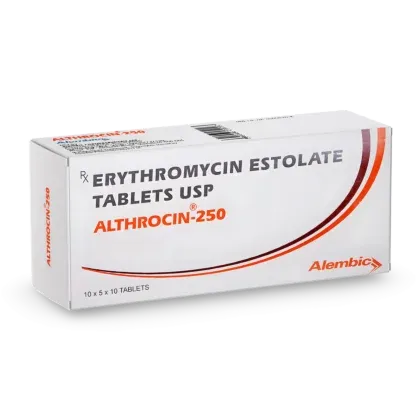
Althrocin 250 Mg
ErythromycinTargets protein production within bacterial cells to stop their multiplication and clear existing infections across body tissues.
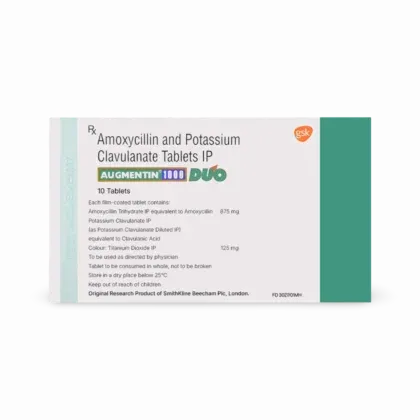
Augmentin 1000 Mg
Amoxicillin + Clavulanic AcidTargets bacterial cell wall synthesis with a dual-acting formula designed to overcome specific resistance mechanisms.
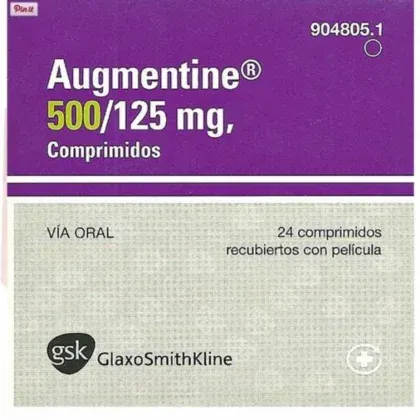
Augmentin 500 Mg+125 Mg
Amoxicillin + Clavulanic AcidCombines an antibiotic with a bacterial enzyme inhibitor to clear diverse, resistant bacterial infection types.
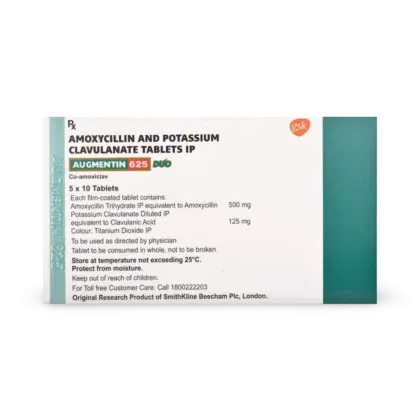
Augmentin 625 Duo Tablet
Amoxicillin + Clavulanic AcidTargets resistant bacterial infections by preventing common resistance mechanisms while inhibiting bacterial cell wall synthesis.
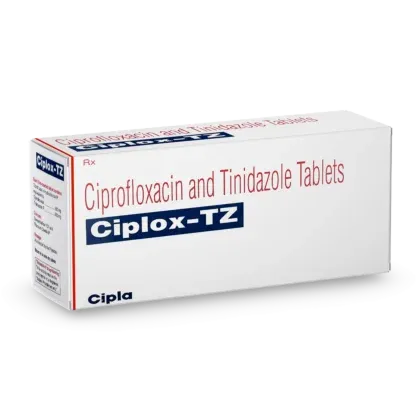
Ciplox TZ 500 Mg + 600 Mg
Ciprofloxacin + TinidazoleTargets diverse bacterial and protozoal pathogens by inhibiting essential DNA synthesis and replication pathways in microorganisms.
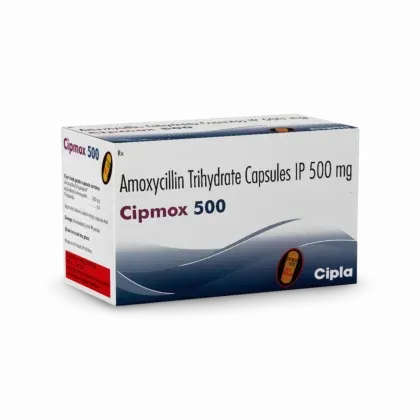
Cipmox 500 mg
AmoxicillinTargets bacterial cell wall synthesis to effectively manage a range of common bacterial infections.

Clavam 625
Amoxicillin + Clavulanic AcidTargets specific bacterial infections by inhibiting bacterial cell wall synthesis while preventing resistance-causing enzyme breakdown.
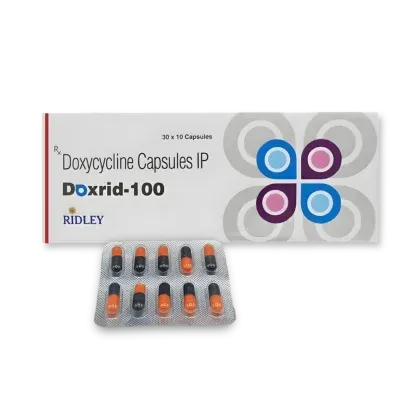
Doxrid 100 mg
DoxycyclineTargets protein synthesis within bacterial cells to halt their growth and manage a wide range of infections.
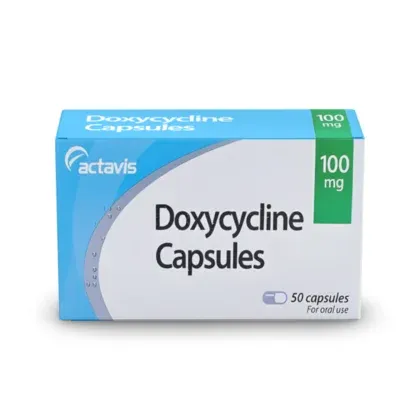
Doxylin 100 Mg
DoxycyclineTargets protein production within bacteria to stop their growth and assist your immune system in clearing infections.
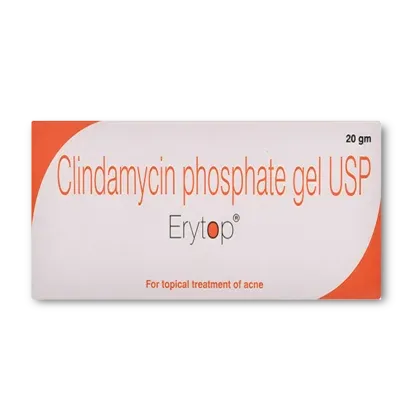
Erytop 1% Gel 20 gm
ClindamycinTargets acne-causing bacteria by inhibiting protein synthesis within the cell wall to reduce inflammation and breakouts.
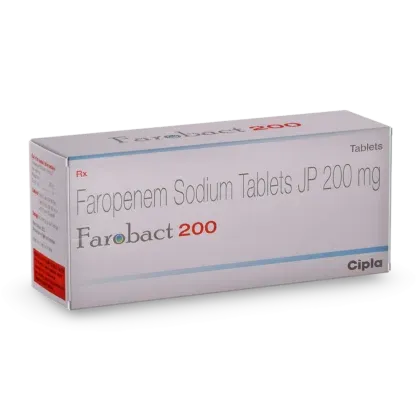
Farobact 200 mg
FaropenemTargets protein synthesis in bacterial cells to manage various infections through a stable, broad-spectrum oral formulation.
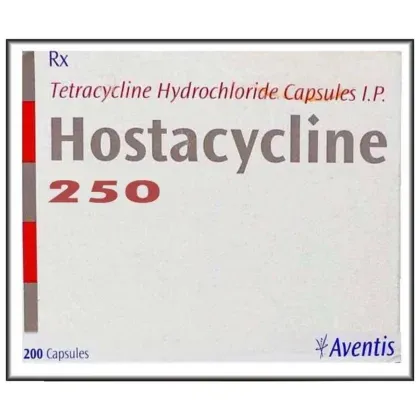
Hostacycline 250 mg
TetracyclineTargets protein production within bacteria to stop their growth and expansion across different tissues.

Hostacycline 500 mg
TetracyclineTargets bacterial protein synthesis with tissue persistence that enables broad-spectrum management of various infection types.
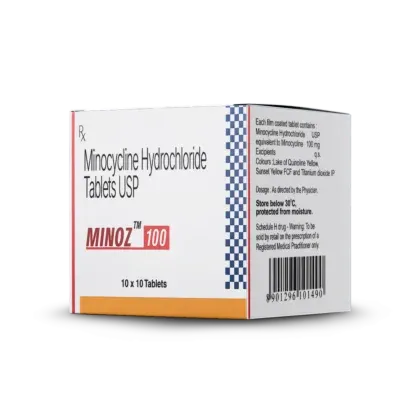
Minoz 100 mg
MinocyclineTargets bacterial protein synthesis to clear inflammatory lesions and address systemic bacterial infections at their source.
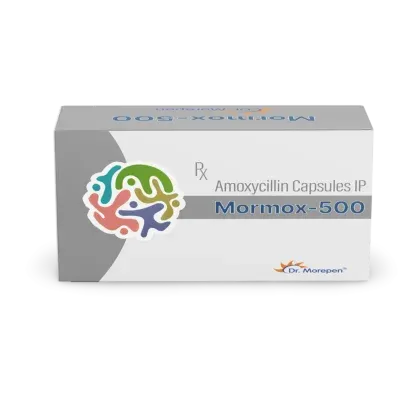
Mormox 500 Mg Capsule
AmoxicillinTargets bacterial cell wall formation to stop the growth of various harmful infections throughout your body.
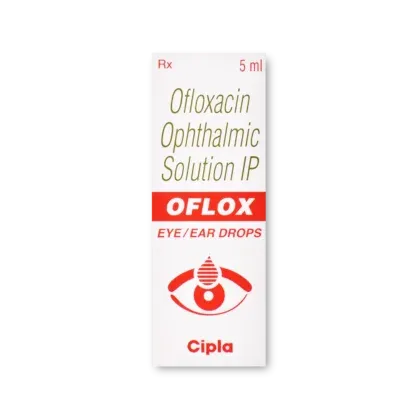
Oflox 5 ml
OfloxacinTargets common bacterial eye pathogens by disrupting their DNA replication, stopping the infection from spreading further.
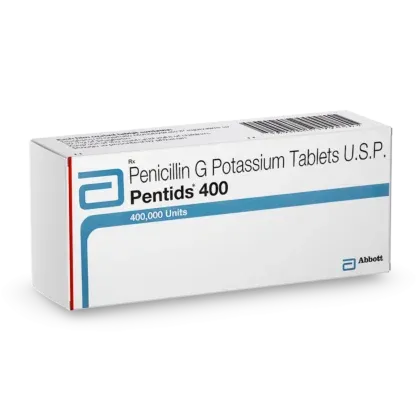
Pentids 400 mg
PhenoxymethylpenicillinTargets specific bacterial cell walls to inhibit growth and manage various localized or systemic infections.

Picspot Gel
Clindamycin + NicotinamideTargets acne-causing bacteria and reduces skin inflammation through a dual-action antibiotic and vitamin-based formula.
What Is a Bacterial Infection?
Bacterial infections occur when harmful bacteria enter the body, multiply, and interfere with normal biological processes. Unlike viruses, which require different support, bacteria are single-celled organisms that can thrive in many environments, from the throat and lungs to skin and the urinary tract. When your body’s natural defenses cannot manage the density or type of bacteria present, localized or systemic symptoms follow.
Common signs of these infections range from redness, swelling, and localized pain to systemic issues like fever, fatigue, and persistent congestion. Because bacteria have the potential to spread through the bloodstream or into surrounding tissues, timely identification of the underlying cause remains essential. An accurate diagnosis typically requires clinical evaluation, such as laboratory testing, to ensure that the approach matches the specific biological threat.
How Are Bacterial Infections Treated?
Treatment approaches center on antibiotic therapy, which works to either kill the bacteria or stop them from replicating. Providers select a specific class of medication based on the type of bacteria, the site of the infection, and your medical history. Antibiotics vary significantly in their target range, with some addressing a broad spectrum of bacteria while others focus on highly specific groups.
In many regions, including international markets across Europe, North America, and Asia, antibiotics are strictly regulated medications. Access usually depends on a formal assessment by a doctor, as the misuse of these drugs can lead to diminished effectiveness over time. Ensuring that you complete the full duration prescribed is vital, as this practice maintains the strength and reliability of the treatment for you and the broader community.
Types of Bacterial Infections Medications
Medications for these conditions are categorized by their chemical structure and how they interfere with bacterial life cycles. Understanding these distinctions can provide helpful context when discussing your path forward with a healthcare professional.
Penicillins and Beta-Lactam Combinations
This class often serves as a foundational approach for many common infections. Combination products, such as those containing amoxicillin with clavulanic acid, are designed to protect the antibiotic from bacterial defenses. These are frequently used for respiratory tract and soft tissue involvements.
Fluoroquinolones and Tetracyclines
Fluoroquinolones are known for their ability to combat a wide variety of bacterial strains throughout the body. Tetracyclines, on the other hand, are commonly utilized for skin health or specific systemic issues. These classes function by interfering with the bacteria’s ability to synthesize proteins or replicate their genetic material.
Macrolides and Topical Agents
Macrolides offer an alternative for individuals who may require a different chemical structure, often for respiratory or skin-related sensitivities. Topical formulations, such as gels or ointments, allow for concentrated delivery of the antibiotic directly to the site of skin-based infections without significant systemic absorption.
Finding Bacterial Infections Medications Online
- Patients across international markets and similar regulated regions search for bacterial infection medications through online pharmacy directories and health platforms before speaking with a local provider.
- You can look up which antibiotic drug class aligns with a current or past prescription provided by your physician.
- Many individuals use these platforms to review the range of delivery forms, such as oral capsules versus topical gels, to prepare for a provider consultation.
- Searching for generic versions of standard antibiotics allows for a better understanding of the treatment landscape.
- Checking the availability of specific strengths helps ensure consistency when moving between different locations or during extended travel.
Safety Considerations for Bacterial Infections Medications
Before starting treatment for Bacterial Infections
Evaluating your medical history is a key step, as certain antibiotics may not be suitable if you have a history of specific allergies or existing liver and kidney function concerns. Communicating your complete health profile to a doctor helps in selecting the most appropriate class of medication while minimizing potential complications.
Reactions and tolerability across treatment types
Everyone reacts differently to new medications. Reported experiences often include common digestive discomforts or localized skin reactions with topical use. Monitoring how your body responds during the first few days of a new regimen is standard practice to ensure the chosen treatment remains well-tolerated.
Interactions and health factors
Antibiotics have the potential to interact with other medications, including supplements, vitamins, and maintenance drugs for chronic conditions. Your pharmacist or doctor can identify if your current routine requires adjustments or timing modifications. Product labeling and verified clinical sources remain the correct references for specific contraindications, interactions, and potential reactions.
Important Safety Information
This page provides an educational overview of bacterial infections and the medication categories listed. Individual products differ in active ingredient, formulation, strength, and directions. This information does not authorize self-directed selection, clinical interpretation, or unsupervised use. You should review individual product labeling and speak with a healthcare professional when clinical judgment is needed to address any health condition.