
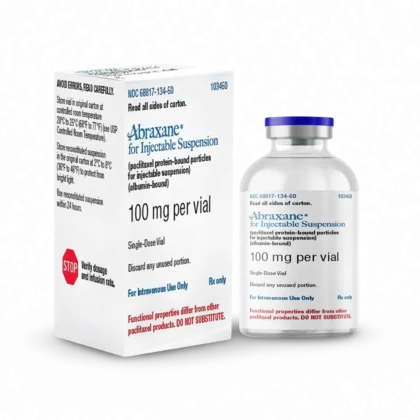
Abraxane 100 Mg Injection
Disrupts cancer cell division by stabilizing the internal scaffolding of cells to stop tumor growth.
 Breast Cancer Medications
 Receiving a breast cancer diagnosis changes your world in an instant, bringing a unique set of challenges that affect you, your family, and your daily life. Four formulations are listed below, covering essential treatment approaches such as aromatase inhibitors (Mamofen) and specialized chemotherapy agents (Abraxane, Entax) used to address various stages and types of the disease.
Disrupts cancer cell division by stabilizing the internal scaffolding of cells to stop tumor growth.
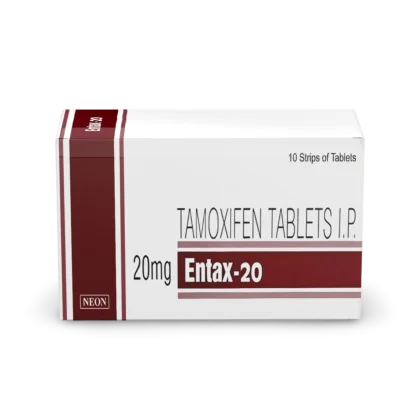
Blocks estrogen receptors in breast tissue to slow the growth of hormone-sensitive cancer cells.
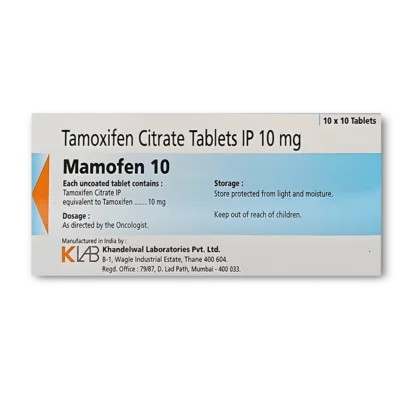
Blocks estrogen receptors in specific tissues to stop hormone-dependent cells from growing and dividing in breast tissue.
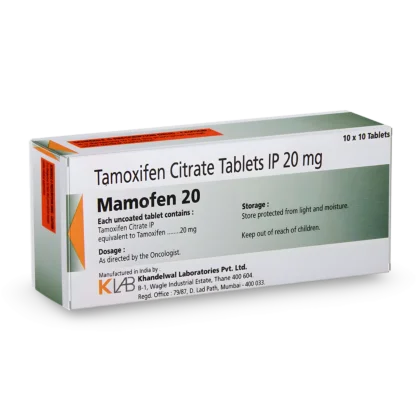
Blocks estrogen receptors in breast tissue to slow the growth and spread of certain hormone-sensitive cancer cells.
Breast cancer occurs when cells within the breast tissue undergo genetic mutations that cause them to divide and grow without the typical regulation of healthy cells. These altered cells often form a tumor that can be observed on imaging tests or felt as a lump. Over time, these cells may spread to surrounding tissue or reach distant areas of the body through the blood or lymphatic system.
Every individual experiences this diagnosis differently, as the disease is categorized based on hormone receptor status and other biological markers. Understanding these markers is a vital part of your path forward, as they define how the cancer responds to internal signals. Recognizing that you are not alone in this experience is a significant step, as advancements in oncology provide more specific ways to address these biological changes than ever before.
Treatment approaches for breast cancer are highly individualized, typically combining systemic therapies that travel through the body with local treatments like surgery or radiation. The choice of medication often depends on the specific characteristics of the tumor, such as whether it relies on hormones like estrogen to grow. For tumors that are hormone-receptor-positive, medications known as hormonal or endocrine therapies are often used to block signals that fuel cell growth.
Chemotherapy remains a cornerstone therapy for many patients, utilizing potent compounds to target and destroy rapidly dividing cells. Across global markets, these treatments are administered under the direction of an oncology team who monitors your response and manages potential reactions. These medications work by interrupting the life cycle of cancer cells, aiming to slow or stop their progression throughout the body.
Medications for this condition operate through distinct mechanisms, each serving a specific goal in your broad treatment strategy. Understanding how these classes function can help you have more informed conversations with your care team about your specific regimen.
Aromatase inhibitors, such as those containing tamoxifen, work by interfering with the hormonal environment that certain cancer cells require to thrive. By lowering the amount of estrogen available or blocking estrogen receptors, these medications effectively starve hormone-sensitive cancer cells. These treatments are often taken over an extended period to prevent recurrence.
Chemotherapeutic medications are designed to disrupt the cell division process. Some agents are administered intravenously to reach cells throughout the body quickly, while others provide targeted delivery to maximize impact on the tumor site. These treatments are managed in cycles, allowing your body time to recover between doses.
Every treatment carries unique implications for your health, making professional guidance essential before initiating any new medication. Your medical history, including heart health and bone density, must be evaluated to ensure the chosen treatment approach aligns with your specific clinical needs.
The body often responds to cancer treatments in ways that require consistent monitoring, such as changes in energy levels or immune system function. Some medications may affect blood counts or bone health over time, necessitating regular blood tests and screenings. Managing these reactions effectively is a central part of ensuring you remain as comfortable and supported as possible during your treatment.
Many cancer medications can interact with common supplements, over-the-counter drugs, or other prescription treatments you may already be taking. It is important to provide your oncology team with a complete list of every substance you consume to avoid unintended interactions. Product labeling and verified clinical sources remain the correct references for specific contraindications, interactions, and potential reactions.
This page provides an educational overview of breast cancer and the medication categories listed — not medical advice. Individual products differ in active ingredient, formulation, strength, and directions. The page does not authorize self-directed selection, clinical interpretation, or unsupervised use. Readers should review individual product labeling and speak with a healthcare professional when clinical judgment is needed.