
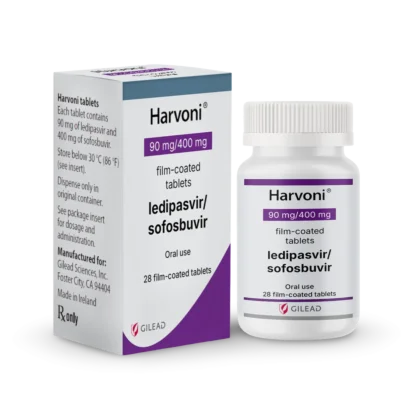
Harvoni Tablet 90 Mg+400 Mg
Blocks specific viral proteins to prevent the hepatitis C virus from replicating and spreading in the body.
 Chronic Hepatitis C Medications
 Chronic hepatitis C is a viral infection that attacks the liver, often persisting for years without causing noticeable symptoms until significant damage occurs. Managing this condition requires targeted antiviral treatment intended to clear the virus from your system. Two formulations are listed below: Harvoni (ledipasvir/sofosbuvir) and Velasof (velpatasvir/sofosbuvir).
Blocks specific viral proteins to prevent the hepatitis C virus from replicating and spreading in the body.

Targets viral replication enzymes to clear underlying infection and prevent further liver damage from viral activity.
Living with a diagnosis of chronic hepatitis C can feel overwhelming, especially given the silence of the virus in its early stages. This infection is caused by the hepatitis C virus (HCV), which spreads through contact with infected blood. Over time, the persistent inflammation can lead to liver scarring, known as fibrosis or cirrhosis, which impairs the liver’s ability to filter toxins and process nutrients effectively.
Many people remain asymptomatic for decades, meaning the virus quietly remains active in the body. Because the liver has a high capacity for regeneration, damage often remains hidden until the later stages of the disease. Understanding the nature of this viral persistence is a significant step toward taking control of your health and discussing appropriate viral clearance goals with your healthcare provider.
Treatment for chronic hepatitis C has evolved significantly, shifting toward direct-acting antivirals (DAAs) that target specific proteins the virus needs to replicate. These therapies aim for sustained virologic response, which means the virus remains undetectable in your blood after treatment concludes. Unlike older, more intensive regimens, modern DAA therapies are generally well-tolerated and highly efficient at clearing the infection.
Across global markets, including regions monitored by healthcare authorities in the United States, United Kingdom, Australia, and Canada, these medications are strictly available through professional prescription pathways. The selection of a specific antiviral regimen depends on your viral genotype—the genetic makeup of the virus strain—and the presence of any pre-existing liver damage, such as compensated or decompensated cirrhosis.
Modern treatment regimens rely on fixed-dose combination tablets that combine multiple antiviral agents. These medications work by blocking the virus from copying itself inside your liver cells, eventually causing the infection to subside.
Regimens like ledipasvir/sofosbuvir and velpatasvir/sofosbuvir represent the current standard for viral clearance. These products are usually taken as a single tablet once daily for a fixed duration. By inhibiting different stages of the viral replication cycle, these combined agents create an environment where the virus can no longer maintain its foothold in your liver.
The primary difference between these options often lies in their “pangenotypic” activity—meaning their ability to cover multiple distinct genetic strains of the virus. Discussing your specific viral genotype with a specialist helps determine which combination aligns with your clinical needs. These treatments prioritize simplicity and consistency to support the best possible outcome for your liver health.
Before you begin any antiviral regimen, your healthcare team will evaluate your baseline liver function and identify your specific viral genotype. These steps ensure that the selected therapy is appropriate for the severity of your condition. It is essential to disclose your full medical history, including any previous liver procedures or treatments you may have received.
Most people find modern antiviral combinations manageable, though common responses can include fatigue, mild headache, or nausea during the early weeks of therapy. These effects are often temporary as your body adjusts to the medication. If you experience persistent discomfort or signs of unexpected jaundice—such as yellowing of the skin or eyes—contact your provider immediately for a clinical assessment.
Many medicines can interact with hepatitis C antivirals, including common heartburn medications, herbal supplements like St. John’s Wort, and certain cardiovascular drugs. Always provide a full list of your current prescriptions to your doctor to avoid these risks. Product labeling and verified clinical sources remain the correct references for specific contraindications, interactions, and potential reactions.
This page provides an educational overview of Chronic Hepatitis C and the medication categories listed — not medical advice. Individual products differ in active ingredient, formulation, strength, and directions. The page does not authorize self-directed selection, clinical interpretation, or unsupervised use. Readers should review individual product labeling and speak with a healthcare professional when clinical judgment is needed.