
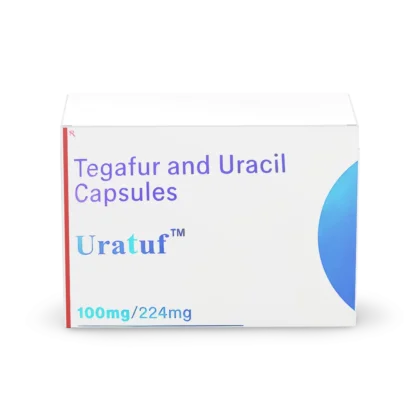
Uratuf (100+224) Mg Capsules
Combines two active compounds to disrupt cancer cell division by blocking the synthesis of essential genetic material.
 Colorectal Cancer Medications
 Receiving a diagnosis of colorectal cancer can feel overwhelming, but modern therapeutic options aim to address the disease at various stages. Understanding the role of specialized medication is a meaningful step toward managing your health journey effectively. One formulation is listed below, featuring an antineoplastic agent designed for specific clinical applications.
Combines two active compounds to disrupt cancer cell division by blocking the synthesis of essential genetic material.
Colorectal cancer describes the abnormal growth of cells within the large intestine or the rectum. It frequently begins as small, benign clusters of cells called polyps that develop on the inner lining of the organ. Over time, some of these polyps can transform into malignant tumors if they are not detected during routine screenings.
When these cells become cancerous, they may invade nearby tissues or spread to distant parts of the body. Beyond physical manifestations such as changes in bowel habits, abdominal discomfort, or unexplained weight loss, the diagnosis carries a significant emotional weight. Engaging with your healthcare team helps you navigate the complexities of this condition while focusing on your overall well-being.
Treatment pathways for colorectal cancer are highly individualized, often involving a combination of surgery, radiation, and systemic drug therapy. The choice of medication depends on the genetic profile of the tumor, the stage of the disease, and your unique health history. These treatments work throughout the body to target rapidly dividing cancer cells or to bolster the immune system.
Across global markets, including clinical settings in the United States, United Kingdom, Australia, and Canada, oncologists use evidence-based protocols to determine the right intervention. These medications are strictly regulated and are intended for use only under the continuous supervision of a qualified oncology specialist. Access to these treatments generally requires specialized medical oversight rather than standard pharmacy fulfillment.
Therapies for colorectal cancer generally fall into categories such as cytotoxic chemotherapy, targeted therapy, and immunotherapy. Cytotoxic agents work by interfering with the cell division process, effectively slowing or stopping tumor growth. These core treatments are often the foundation of systemic care regimens.
Targeted therapies represent a more focused approach, identifying specific markers or mutations within the cancer cells to inhibit their ability to thrive. Depending on the progression and specific characteristics of the malignancy, a healthcare provider might suggest a combination of these classes to create a more comprehensive defense. Always discuss the rationale behind a specific drug class with your oncology team to better understand how it fits your personal treatment plan.
Every treatment plan begins with a baseline assessment of your cardiovascular, renal, and hepatic function. These tests ensure that your body can handle the metabolic demands of potent antineoplastic agents. Sharing a complete history of existing health conditions and all current supplements is essential for preventing unforeseen complications.
Systemic therapies often affect healthy cells alongside cancerous ones, which may lead to varying levels of fatigue, digestive sensitivity, or skin reactions. These experiences differ significantly depending on the specific class of medication and the delivery method. Your care team can provide strategies to manage these sensitivities and improve your daily comfort during active treatment phases.
Many cancer medications have specific interactions with common household drugs, herbal products, and vitamins. It is important to avoid adding any new over-the-counter items to your routine without explicit clearance from your oncologist. Product labeling and verified clinical sources remain the correct references for specific contraindications, interactions, and potential reactions.
This page provides an educational overview of colorectal cancer and the medication categories listed — not medical advice. Individual products differ in active ingredient, formulation, strength, and directions. The page does not authorize self-directed selection, clinical interpretation, or unsupervised use. Readers should review individual product labeling and speak with a healthcare professional when clinical judgment is needed.