
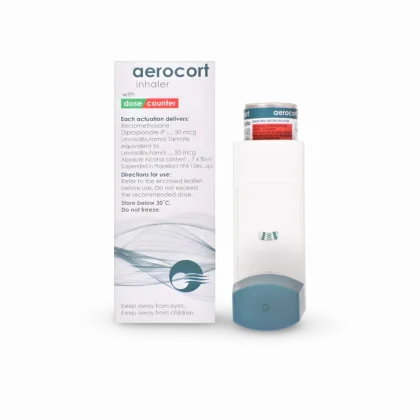
Aerocort Inhaler 50 mcg + 50 mcg
Delivers a dual-action approach to airway management by reducing inflammation and opening restricted breathing passages.
 COPD Medications
 Living with COPD often feels like a constant effort just to catch your breath, impacting both your daily movement and your peace of mind. While this condition causes lasting changes to your lungs, various inhaled therapies exist to support easier breathing. Seventeen formulations are listed below, spanning bronchodilators, inhaled corticosteroids, and combination inhalers.
Delivers a dual-action approach to airway management by reducing inflammation and opening restricted breathing passages.
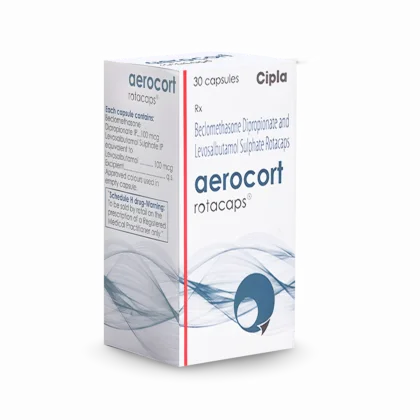
Combines a corticosteroid and a bronchodilator to both reduce airway inflammation and open restricted breathing passages.
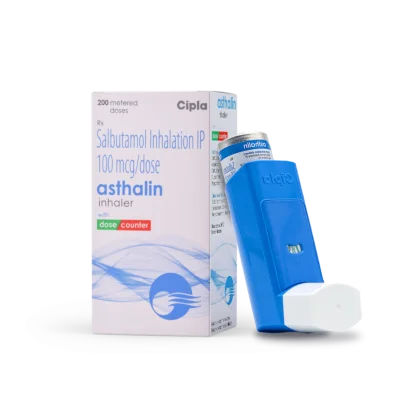
Relaxes the muscles in your airways to keep them open for easier breathing during respiratory flare-ups.
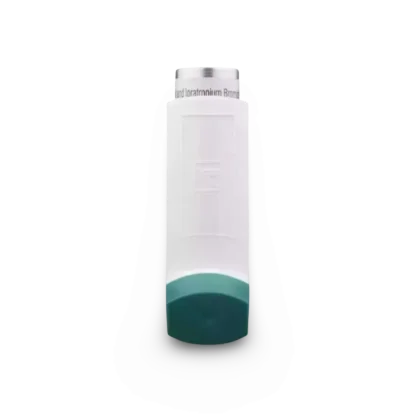
Dual-action respiratory support that opens airways and relaxes muscles to improve breathing during chronic respiratory conditions.
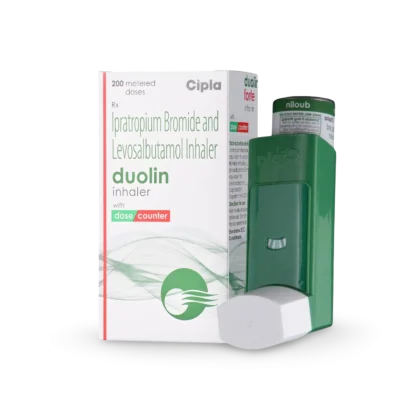
Opens constricted airways and eases breathing by relaxing bronchial muscles through dual-action lung relief.
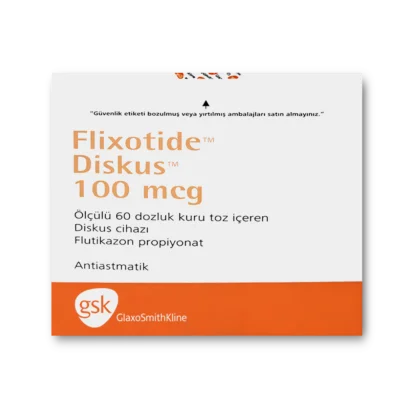
Reduces inflammation in the airways to prevent breathing difficulties and persistent symptoms associated with respiratory conditions.
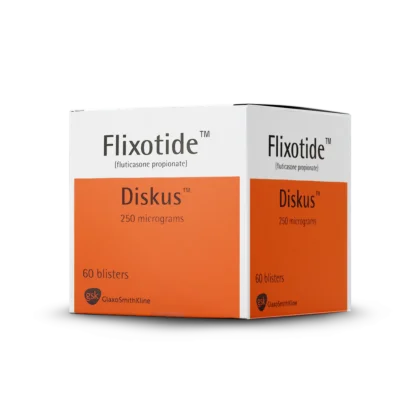
Reduces inflammation in the airways to improve airflow and prevent symptoms like wheezing, tightness, and coughing.
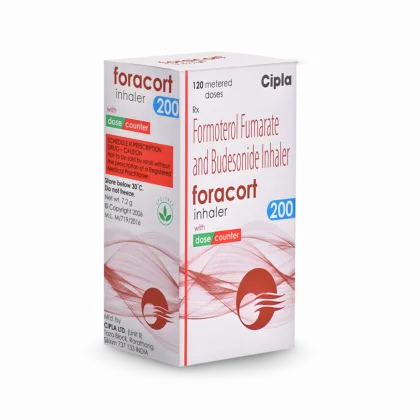
Opens constricted airways and reduces inflammation within the lungs to assist with easier breathing and airflow.

Combines a corticosteroid to reduce inflammation with a long-acting bronchodilator to open airways for easier breathing.

A combination inhaler that relaxes airways and reduces inflammation to support easier breathing in chronic conditions.
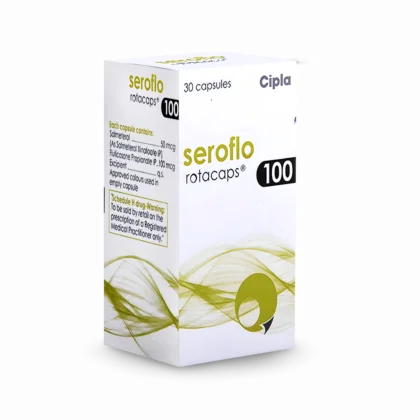
Supports clear airways by combining a long-acting bronchodilator to relax muscles and a steroid to reduce inflammation.
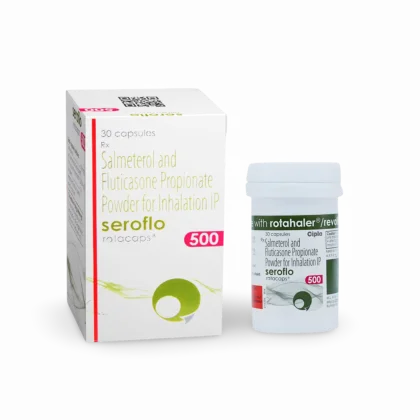
Combines a long-acting bronchodilator with an anti-inflammatory steroid to open airways and reduce chronic lung inflammation.
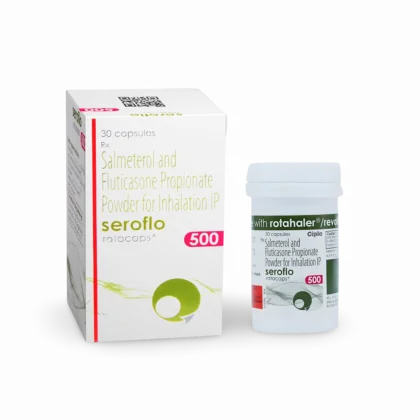
Opens constricted airways and reduces chronic inflammation in the lungs to support easier, more regular breathing.
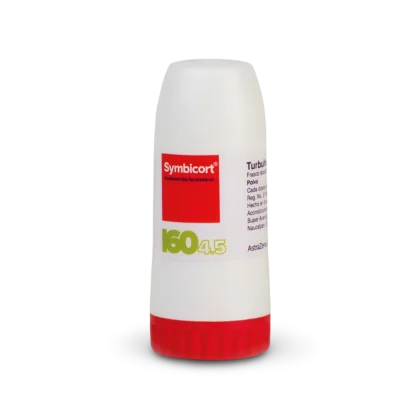
Addresses airway inflammation and constriction with a dual-acting combination to support easier breathing in chronic respiratory conditions.
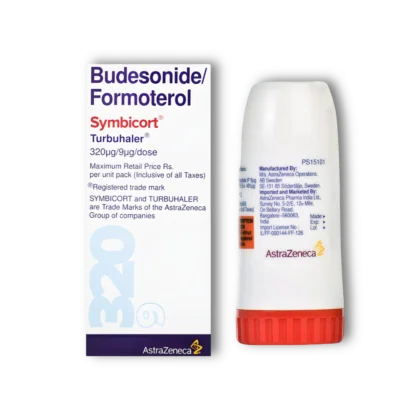
Controls inflammation and opens airways to facilitate easier breathing and reduce the frequency of respiratory flare-ups.
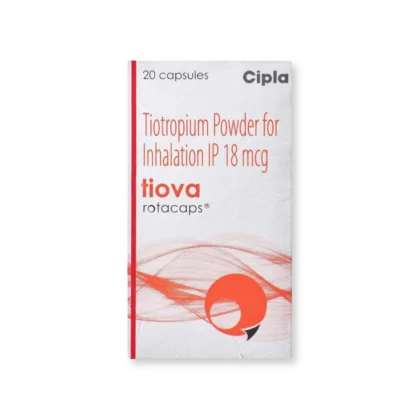
Relaxes airway muscles to improve breathing and reduces the frequency of symptom flare-ups in chronic respiratory conditions.
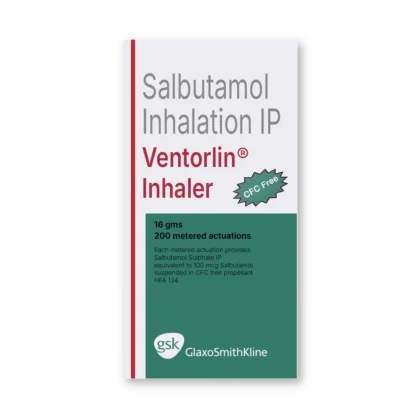
Relaxes the smooth muscles in your airways to keep passages open and ease shortness of breath.
Chronic obstructive pulmonary disease involves chronic inflammation of the airways, which obstructs airflow and makes exhaling difficult. It develops gradually, often over many years, as a result of long-term exposure to lung irritants such as tobacco smoke, air pollution, or chemical fumes. The condition primarily creates two patterns: chronic bronchitis, which triggers persistent mucus-producing coughs, and emphysema, which damages the delicate air sacs in the lungs.
People managing this condition frequently experience shortness of breath, a tight sensation in the chest, and frequent respiratory infections. Because lung damage from this condition is generally irreversible, the focus shifts toward managing symptoms, reducing the frequency of flare-ups, and maintaining as much lung function as possible. Establishing a routine with appropriate inhaled medicine often provides the foundation for staying active.
Medical management for this condition focuses on opening narrowed airways and reducing underlying inflammation. Because the condition affects the structure of the lungs, treatment typically involves maintenance-focused medications delivered directly to the respiratory system. These medicines help ensure that airways remain clear and reactive to everyday physical activity rather than closing up under minor stress.
Across global markets, including international zones in Europe, North America, and Asia, healthcare providers select therapies based on the severity of airflow limitation and the frequency of symptoms. For many, treatment begins with short-acting bronchodilators to provide quick relief, while long-term maintenance often requires a combination of different medicine classes. This tiered approach allows you to adjust management if your respiratory needs shift over time.
Managing your breath usually involves navigating different medication classes that serve distinct purposes. Understanding how these categories work can help you discuss your needs more effectively with a healthcare professional.
Delivery methods, such as pressurized metered-dose inhalers and dry-powder capsules, require specific inhalation techniques to ensure the medicine reaches your lungs effectively. How you synchronize your breath with the device activation often determines the success of your daily management plan.
Before beginning any regimen, identify whether your primary symptoms relate to airway muscular tightening or chronic deep-seated inflammation. A clear understanding of your lung function tests allows your provider to select the appropriate strength and class. Always verify that your chosen device is one you can operate reliably.
Inhaled medications may occasionally cause side effects like a dry throat, hoarseness, or a lingering cough immediately after use. Some bronchodilators can temporarily cause a racing heartbeat or mild tremors as your body adjusts to the medicine. These reactions typically fade as your system stabilizes, but persistent discomfort should always be reviewed by your provider.
Other pre-existing conditions, particularly cardiac issues or high blood pressure, can influence which lung medications are most appropriate for you. Because some inhaled medicines might interact with other heart or blood pressure treatments, maintain an accurate, updated list of all your current medicines. Product labeling and verified clinical sources remain the correct references for specific contraindications, interactions, and potential reactions.
This page provides an educational overview of COPD and the medication categories listed — not medical advice. Individual products differ in active ingredient, formulation, strength, and directions. The page does not authorize self-directed selection, clinical interpretation, or unsupervised use. Readers should review individual product labeling and speak with a healthcare professional when clinical judgment is needed to determine the best path for your respiratory health.