
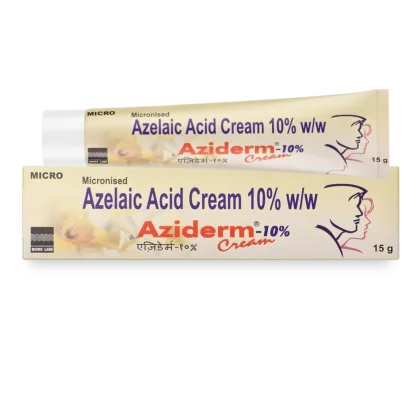
Aziderm Cream 10 % (15 gm)
Directly combats acne-causing bacteria and reduces surface inflammation to clear breakouts and even out skin tone.
 Dark Spots Medications
 Living with unwanted skin pigment changes often creates significant emotional stress, impacting how you feel about your appearance. Dark spots, or hyperpigmentation, occur when melanin, the pigment that gives skin its color, clusters in patches. These four formulations address the concern through active lightening agents and skin-renewing ingredients.
Directly combats acne-causing bacteria and reduces surface inflammation to clear breakouts and even out skin tone.
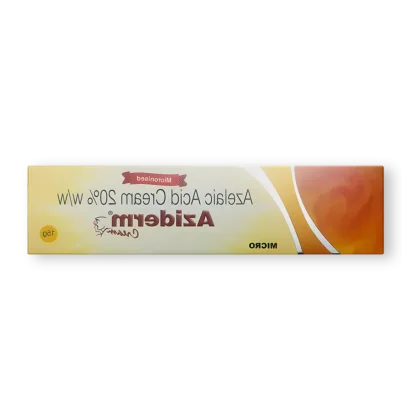
Reduces acne-causing bacteria and calms skin inflammation to improve texture and clear up uneven pigmentation.
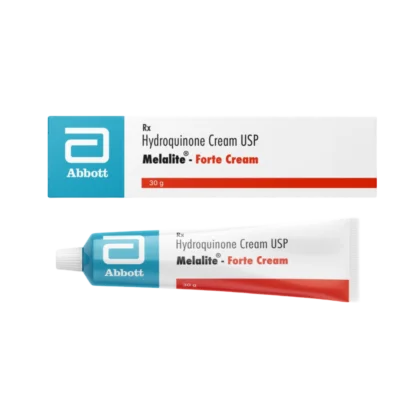
Lightens skin by reducing the accumulation of pigments that cause localized areas of hyperpigmentation and dark spots.
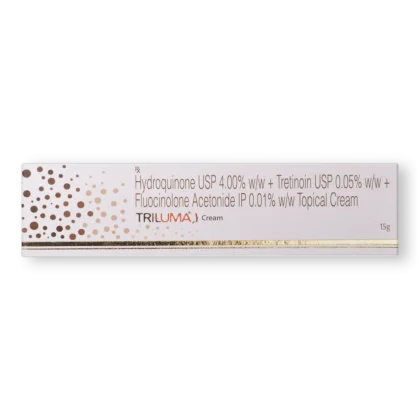
Addresses skin discoloration by slowing melanin production, reducing inflammation, and accelerating the natural cycle of skin turnover.
Dark spots are areas of skin that appear darker than the surrounding tissue. They most frequently develop due to sun damage, known as solar lentigines, or as a lingering mark left after an inflammatory event like acne, which is called post-inflammatory hyperpigmentation. Understanding the origin of your pigmentation is important, as different factors require distinct approaches to management.
These patches often emerge on areas frequently exposed to the sun, including the face, hands, and chest. While dermatologically distinct from moles or lesions, they represent a common concern for people across many skin types. When these spots persist, they can affect your self-confidence, leading many to search for targeted intervention strategies.
Management focuses on reducing excess melanin production and encouraging the renewal of surface skin cells. Treatment approaches usually involve topical agents that interrupt the enzyme pathways responsible for pigment creation. By inhibiting this process, these treatments may lead to a more uniform skin tone over weeks or months of consistent adherence to a regimen.
Medications for hyperpigmentation typically fall into two main categories: azelaic acid and hydroquinone. Azelaic acid works by calming inflammation and preventing uneven pigment buildup, while hydroquinone serves as a potent skin-lightening agent that suppresses pigment synthesis. Across international markets, these ingredients form the foundation of clinical approaches to addressing stubborn discoloration.
Understanding the differences between treatment types helps you have a more informed discussion with your healthcare provider. Each category serves a specific purpose in the skin-brightening process:
Azelaic acid formulations are often used for pigmentation linked to inflammatory skin conditions like acne. This ingredient provides a dual benefit by gently exfoliating the surface layer of the skin and normalizing melanin production. It is generally noted for its ability to target localized areas of discoloration while remaining tolerable for many skin types.
Hydroquinone-based products represent a more intensive approach to lightening established pigment clusters. Some formulations combine hydroquinone with additional agents, such as retinoids or steroids, to increase absorption and soothe the skin during the process. These products are usually reserved for specific, persistent concerns where a stronger, focused intervention is required to assist in fading dark patches.
Starting any topical intervention requires an understanding of how your skin reacts to new ingredients. Always ensure that the discoloration is not symptomatic of an underlying health condition that requires a different medical approach. A patch test is a standard way to observe for immediate sensitivity to a new formulation on your skin.
Topical lightening agents may cause localized reactions such as redness, dryness, or stinging. Because these medications work by influencing active skin processes, a period of adjustment is normal. If you notice persistent or severe irritation, pause the use of the product and consult with a provider to determine if the concentration is suitable for your skin’s sensitivity level.
Certain substances can increase skin sensitivity, making it more prone to irritation when using pigment-lightening medications. It is essential to strictly follow sun protection practices, as the skin becomes more vulnerable to UV damage during the lightening process. Product labeling and verified clinical sources remain the correct references for specific contraindications, interactions, and potential reactions.
This page provides an educational overview of dark spots and the medication categories listed — not medical advice. Individual products differ in active ingredient, formulation, strength, and directions. The page does not authorize self-directed selection, clinical interpretation, or unsupervised use. Readers should review individual product labeling and speak with a healthcare professional when clinical judgment is needed.