
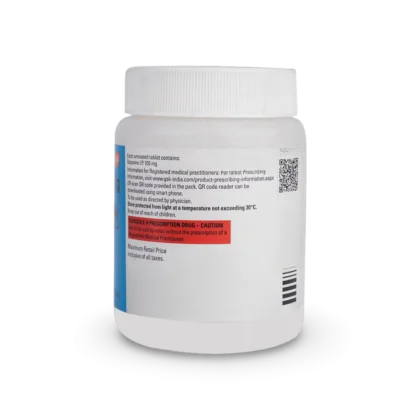
Dapsone 100 mg
Targets certain bacterial processes and inflammatory pathways to manage complex skin and infection-related health conditions.
 Dermatitis Herpetiformis Medications
 Living with dermatitis herpetiformis means navigating the discomfort of relentless, itchy, blistering skin eruptions that can disrupt your daily peace. This condition often stems from an autoimmune response to gluten intake. Managing the skin symptoms typically involves sulfone-class medications to quiet the inflammation. One formulation is listed below, specifically Dapsone 100 mg.
Targets certain bacterial processes and inflammatory pathways to manage complex skin and infection-related health conditions.
Dermatitis herpetiformis is a chronic, autoimmune skin disorder that presents as clusters of small, fluid-filled blisters. These lesions occur most frequently on the elbows, knees, buttocks, and back. The defining characteristic is an intense, burning itch that often precedes the appearance of a visible rash. Because the skin barrier remains compromised, the cycle of itching and scratching frequently leads to raw, wounded areas.
The condition is strongly linked to celiac disease, meaning it develops as a direct reaction to consuming gluten. Even when your digestive system feels unaffected, your skin may react to the presence of gluten proteins. Avoiding gluten is the primary way to manage the underlying trigger, but skin symptoms often require additional support to heal effectively and provide relief from the persistent irritation.
Treatment approaches center on interrupting the inflammatory cycle that causes skin blistering. Sulfone-class medications remain the established approach for managing these specific dermatological symptoms. These agents work by calming the localized immune response within the skin, allowing the blisters to subside and reducing the overwhelming urge to scratch.
Long-term management requires a dual strategy. A strict gluten-free diet is essential to address the root cause, while medicinal support focused on the skin lesions helps bridge the gap until the diet’s effects fully take hold. Medical professionals across international markets, including Hong Kong, Singapore, and Taiwan, typically coordinate these treatments to monitor skin health and systemic well-being carefully.
Medications for this condition predominantly belong to the sulfone class. These treatments are specialized, as they target the specific pathway through which the immune system causes skin inflammation in this condition. When discussing options with a provider, consider how these systemic treatments integrate with your daily nutritional changes.
The primary function of these medications is rapid symptom control. By reducing the frequency and intensity of new blister formation, they allow the skin time to recover. Because these formulations are potent, they are typically used under close oversight to assist in managing the condition while you maintain a gluten-free lifestyle.
Treatments for this condition influence how your immune system responds to stimuli. It is important to confirm that any medication aligns with your overall metabolic health. Your provider may monitor your blood health to ensure that the medication remains appropriate for your long-term use.
Systemic treatments for skin conditions may impact various bodily systems, including the blood-forming processes. Monitoring for changes in how you feel, or any unusual physical reactions, is part of a standard approach to safe management. If you notice persistent fatigue or skin changes, inform your healthcare provider promptly.
Other medications or underlying sensitivities can influence how your body processes sulfone-class treatments. Always discuss the full spectrum of your health history, including any known sensitivities to sulfonamides or existing blood conditions. Product labeling and verified clinical sources remain the correct references for specific contraindications, interactions, and potential reactions.
This page provides an educational overview of dermatitis herpetiformis and the medication categories listed — not medical advice. Individual products differ in active ingredient, formulation, strength, and directions. The page does not authorize self-directed selection, clinical interpretation, or unsupervised use. Readers should review individual product labeling and speak with a healthcare professional when clinical judgment is needed.