
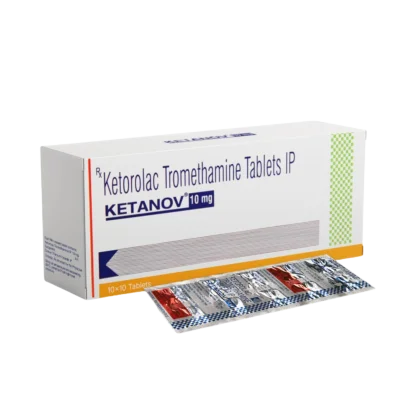
Ketanov 10 Mg Tablet
Blocks specific enzymes that produce pain-signaling compounds to provide relief for acute, short-term discomfort.
 Eye Inflammation Medications
 Living with eye inflammation can be a persistent challenge that complicates your work and daily comfort. When your eyes feel irritated or swollen, finding effective relief is an important goal. One formulation is listed below, which involves an antihistamine-class medication with properties that address symptoms of inflammation through systemic action.
Blocks specific enzymes that produce pain-signaling compounds to provide relief for acute, short-term discomfort.
Eye inflammation often manifests as redness, warmth, swelling, or a feeling of grit and irritation within the ocular tissues. This condition occurs when your body’s immune system releases chemicals as a reaction to external triggers. These triggers frequently include environmental allergens like pollen, dust mites, or pet dander, but inflammation can also respond to physical irritants or prolonged strain.
Beyond physical discomfort, this condition can profoundly impact your quality of life. Constant watering or stinging can make simple tasks like reading or working at a computer difficult. Understanding that your body is attempting to protect itself helps, but managing the underlying intensity of the inflammatory response remains central to finding relief.
Treatment generally focuses on cooling the inflammatory response while addressing the original trigger of your symptoms. Approaches vary depending on the severity and cause of the redness. Some individuals find relief with topical drops that constrict blood vessels to reduce redness, while others require medications that work throughout the body to block histamines, the substances causing the irritation.
In international markets, including the United Kingdom, Canada, and various European regions, the choice often depends on whether the inflammation is acute or linked to chronic allergies. Physicians typically identify whether the source is bacterial, allergic, or environmental before suggesting a specific course of action. Following a professional evaluation ensures the chosen treatment targets your specific symptoms rather than just masking the discomfort.
Managing eye irritation often involves systemic antihistamines. These medications belong to a class of drugs that compete with the natural chemical histamine at receptor sites. By blocking these receptors, the medication reduces the signals that lead to swelling, itching, and fluid buildup in the delicate tissues of the eye.
Oral antihistamine tablets are often used when local eye drops are insufficient or when the inflammation is widespread, such as in cases involving significant seasonal allergies. Because these medications act internally, they provide a generalized effect that may assist even if your symptoms occur alongside nasal or throat irritation. Comparing these with topical alternatives is a common step during your consultation with a provider to see which format fits your lifestyle.
Before beginning any new medication, it is important to confirm that your symptoms arise from a known cause. An evaluation helps distinguish between common allergies and more serious conditions that could involve infection or structural damage to the eye. Ensuring a correct initial focus allows you to use your chosen treatment with greater confidence.
Systemic antihistamines may cause certain reactions as your body adjusts to the medication. Common observations include temporary drowsiness or a dry sensation in the mouth, which occur because these medications interact with receptors in various parts of the body. Monitoring how your system responds during the first few days of use is a standard part of assessing if a medication remains suitable for your daily routine.
Certain pre-existing health factors, such as those impacting renal or hepatic function, can influence how effectively your body processes systemic antihistamines. Additionally, these drugs may interact with other substances, including those that induce sleep or affect the central nervous system. Product labeling and verified clinical sources remain the correct references for specific contraindications, interactions, and potential reactions.
This page provides an educational overview of eye inflammation and the medication categories listed — not medical advice. Individual products differ in active ingredient, formulation, strength, and directions. The page does not authorize self-directed selection, clinical interpretation, or unsupervised use. Readers should review individual product labeling and speak with a healthcare professional when clinical judgment is needed to ensure the chosen approach addresses their health needs appropriately.