
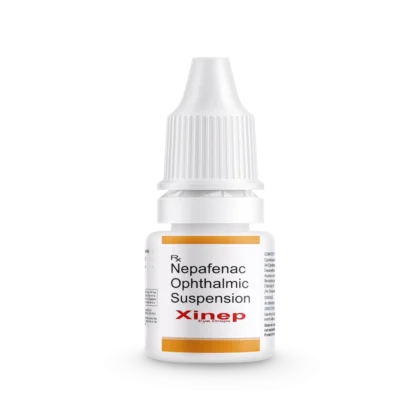
Xinep 5 ml
Reduces inflammation and eye pain by inhibiting enzymes involved in the production of prostaglandin messengers.
 Eye Inflammation After Cataract Surgery Medications
 Recovering from cataract surgery is a significant milestone for your vision, yet experiencing lingering discomfort, redness, or sensitivity can be unsettling. When the eye remains irritated during the healing window, your provider may suggest specific support. One formulation is listed below, specifically an NSAID (nonsteroidal anti-inflammatory drug) designed for post-surgical eye care.
Reduces inflammation and eye pain by inhibiting enzymes involved in the production of prostaglandin messengers.
Cataract surgery involves replacing your eye’s cloudy natural lens with a clear artificial one. While this procedure is routine, it naturally creates a level of physical stress on delicate ocular tissues. Inflammation is the body’s expected response to this surgical opening, characterized by the release of chemicals that promote healing but also cause unwanted sensations.
Patients often describe this phase as a feeling of grittiness, mild stinging, or increased light sensitivity. While slight irritation is common during the first few days of recovery, persistent or escalating discomfort indicates that the eye requires focused attention. Addressing this reactive inflammation is essential for both your physical comfort and the stabilization of your visual outcome.
Treatment for post-cataract inflammation centers on managing the chemical pathways that signal pain and redness. Physicians typically select anti-inflammatory medicines that work locally on the ocular surface to reduce the swelling associated with the healing process. These medicines block specific enzymes that would otherwise increase discomfort during the post-operative period.
Across international markets, these treatments are almost exclusively provided as ophthalmic solutions. Access is generally restricted to prescription-only channels because they require evaluation of the eye’s structural integrity and healing progress by an eye care professional. Ongoing monitoring ensures that the medicine is providing the necessary support without masking underlying concerns requiring different clinical attention.
Management of post-surgical irritation involves a primary class of medicine: topical nonsteroidal anti-inflammatory drugs. These formulations are specifically engineered to remain on the surface of the eye, offering targeted action directly where the surgical incision was made.
These medications work by inhibiting the production of prostaglandins, which are substances that trigger inflammation and pain in response to injury. By applying the medicine directly to the eye, you receive relief concentrated exactly where your surgical site is healing. This targeted application helps maintain comfort during the recovery period while minimizing the potential for body-wide effects.
Discuss your complete ocular history with your eye surgeon, including previous responses to topical medications. Ensure your provider is aware of any sensitivities to aspirin or other system-level NSAIDs, as these may correlate with reactions to eye-based formulations.
Topical eye medications may cause a brief, temporary stinging sensation upon application, which is a common experience and usually fades quickly. Report any persistent itching, severe redness, or changes in your vision to your provider immediately, as these may indicate an individual sensitivity to the preservative or the active medicine.
Certain pre-existing conditions, such as dry eye syndrome or corneal sensitivity, may influence how your eye responds to post-surgical drops. Always maintain your prescribed schedule and inform your provider about any other eye drops you are currently using, including basic lubricants or antibiotics, to prevent unintended interactions. Product labeling and verified clinical sources remain the correct references for specific contraindications, interactions, and potential reactions.
This page provides an educational overview of eye inflammation following cataract surgery and the medication categories listed — not medical advice. Individual products differ in active ingredient, formulation, strength, and directions. The page does not authorize self-directed selection, clinical interpretation, or unsupervised use. Readers should review individual product labeling and speak with a healthcare professional when clinical judgment is needed.