
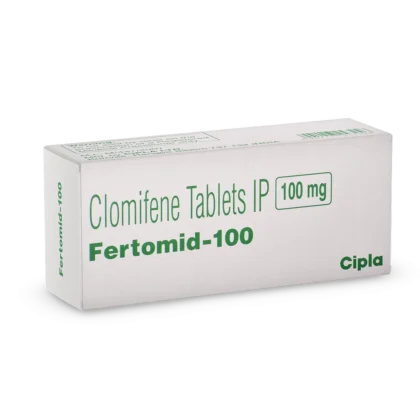
Fertomid 100 Mg Tablet
Supports ovulation by signaling the pituitary gland to increase hormones necessary for egg development and release.
 Female Infertility Medications
 Navigating the emotional path toward parenthood often involves addressing biological barriers that make conception difficult. When natural cycles need support, clinicians may suggest medical interventions. Six formulations are listed below, covering ovulation inducers like clomiphene citrate (Fertomid, Siphene, Rejun) and injectable gonadotropins used for follicle stimulation (Humog, Ivf M, Menotas).
Supports ovulation by signaling the pituitary gland to increase hormones necessary for egg development and release.
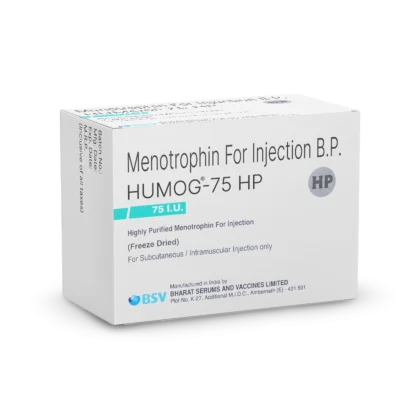
Promotes follicular development and egg maturation to support reproductive success in controlled clinical environments.
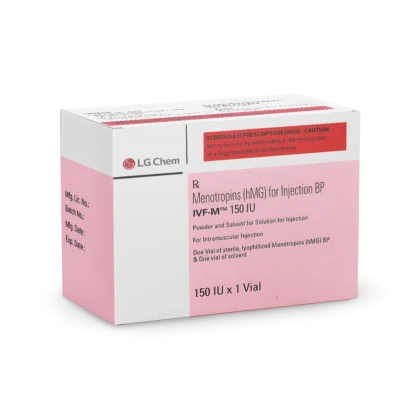
Promotes follicular development and egg maturation by mimicking natural reproductive hormones to support conception outcomes.
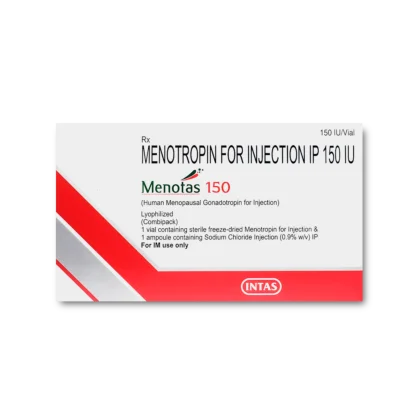
Supports natural follicular development by mimicking hormones that guide the maturation of eggs within the ovaries.
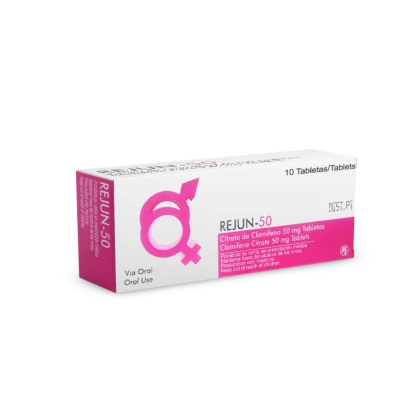
Stimulates the release of hormones necessary for egg development and release to support ovulation cycles.
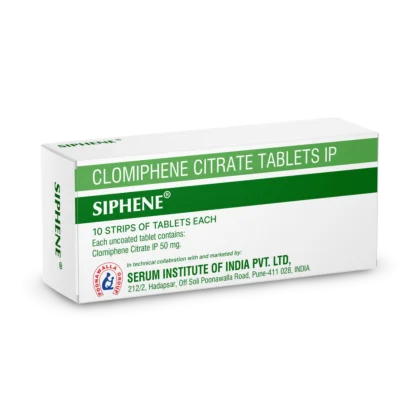
Stimulates the release of hormones by the pituitary gland to encourage regular ovulation in women.
Female infertility describes the experience of being unable to achieve a clinical pregnancy after at least one year of regular, unprotected intercourse. This journey is often marked by uncertainty and deep emotional significance, as your body’s reproductive cycles involve a complex series of hormonal signals and physical structures. When these processes do not align perfectly, conception can become significantly hindered.
Common factors contributing to this difficulty include irregularities in ovulation, which is the release of a mature egg from the ovary. Hormonal imbalances—often involving the brain’s signaling, the thyroid, or the adrenal glands—can prevent this release from occurring as expected. Physical obstacles, such as blocked fallopian tubes or conditions affecting the uterine lining, also play a meaningful role in how reproductive systems function.
Treatment for female infertility centers on restoring hormonal balance or providing supplemental signals to encourage the ovaries to release one or more eggs. Medical approaches typically involve using medications that mimic natural hormones or adjust the body’s response to its own hormones. Across international markets, these therapies are almost exclusively managed by reproductive specialists who monitor your progress through regular clinical check-ups and ultrasound imaging.
For some, the first step involves oral medications that change how the hypothalamus and pituitary gland interact with the ovaries. When these methods are insufficient, or if a more controlled stimulation of the ovaries is required, injectable treatments become necessary. These injections contain hormones that directly target the ovaries, prompting the development and maturation of follicles to increase the likelihood of egg release.
Medications for this condition generally fall into two primary categories: oral ovulation inducers and injectable gonadotropins. Understanding the difference between these classes can help you make sense of the treatment plan discussed with your provider.
Oral ovulation inducers, such as those containing clomiphene citrate, work by tricking your body into thinking estrogen levels are low. This prompts the brain to produce more follicle-stimulating hormone (FSH) and luteinizing hormone (LH), which naturally triggers the ovary to release an egg. These are often used as a starting point because they are relatively easy to integrate into a standard cycle and do not typically require daily injections.
Injectable gonadotropins are more direct in their approach. These formulations contain synthetic versions of FSH and LH, which are injected to stimulate the ovaries to produce multiple mature eggs at once. Because these medications have a potent effect on the reproductive system, their use requires precise timing and frequent professional monitoring. This intensity ensures that your body responds appropriately and reduces the chance of complications.
Prior to beginning any medication in this category, a comprehensive medical assessment is mandatory. You and your provider should review your full health history to ensure that hormonal stimulation is appropriate for your specific situation. These medications are not suitable if you have existing conditions that could be worsened by elevated hormone levels, such as certain hormone-sensitive growths or unexplained reproductive issues.
Because these medications alter your hormonal state, they can lead to physical discomfort and varying emotional responses. Common experiences reported with these therapies include abdominal bloating, breast tenderness, or changes in mood, reflecting the sudden hormonal activity within the body. Frequent monitoring helps track how your body responds to the dosage and ensures that any excessive reaction is caught early.
Many medicines, including over-the-counter supplements and herbal products, can interact with fertility-related hormones. It is essential to disclose every medication you are taking, as well as any underlying issues regarding thyroid function or elevated prolactin levels, which can interfere with the efficacy of these treatments. Product labeling and verified clinical sources remain the correct references for specific contraindications, interactions, and potential reactions.
This page provides an educational overview of female infertility and the medication categories listed—not medical advice. Individual products differ in active ingredient, formulation, strength, and directions. The page does not authorize self-directed selection, clinical interpretation, or unsupervised use. Readers should review individual product labeling and speak with a healthcare professional when clinical judgment is needed.