
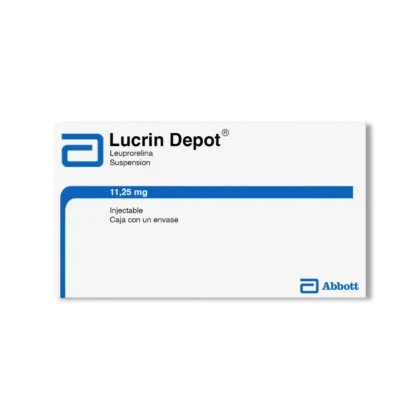
Lucrin Depot 11.25 Mg Injection
Suppresses sex hormone production to slow the growth of hormone-sensitive cells in the body.
 Fibroids Medications
 Uterine fibroids often bring significant physical and emotional challenges, affecting daily comfort and quality of life for many individuals. Navigating this journey can feel overwhelming when managing symptoms like heavy menstrual bleeding or pelvic pressure. One formulation is listed below, specifically a gonadotropin-releasing hormone (GnRH) agonist, designed to address these concerns under medical supervision.
Suppresses sex hormone production to slow the growth of hormone-sensitive cells in the body.
Fibroids are muscular tumors that grow in the wall of the uterus. While they are almost always noncancerous, their presence can be deeply disruptive. These growths vary significantly in size, shape, and location, sometimes remaining small and unnoticed, while others can become large enough to distort the uterus.
Most people with fibroids experience them during their prime childbearing years. The hormonal environment, specifically levels of estrogen and progesterone, influences how these growths behave. Beyond the physical symptoms—which may include frequent urination, lower back pain, or heavy bleeding—the emotional weight of living with a chronic uterine condition is a valid and common part of the experience.
Treatment approaches for fibroids focus on symptom management and, in some cases, reducing the size of the growths. Because individual needs vary, providers often start by identifying which symptoms are most disruptive to your life. The treatment landscape ranges from hormonal therapies that regulate your cycle to surgical interventions when growths are particularly large or symptomatic.
Medical management typically involves medications like GnRH agonists. These treatments work by lowering the levels of estrogen and progesterone in your body, essentially putting the reproductive system into a temporary, reversible resting state. Across global markets, including in Australia, the United Kingdom, and Canada, these treatments are used to manage symptoms or to prepare the uterus for other procedures by reducing the size of the fibroids.
The primary class of medication for managing fibroids available in this catalog includes GnRH agonists. These medicines operate by acting on the pituitary gland to decrease the production of hormones that fuel fibroid growth. By creating a temporary hormonal shift, they can lead to a reduction in the size of the fibroids and a decrease in associated bleeding and discomfort.
These medications are typically administered as injections, often at specific intervals, to maintain consistent hormone suppression. Unlike oral therapies that require daily attention, this form of treatment provides a different approach to long-term symptom control. Discussing the potential for temporary hormonal side effects or bone density changes with a healthcare professional is standard when considering this class of therapy.
Starting any prescription treatment for hormone-related conditions requires a thorough review of your medical history, particularly cardiovascular and bone health. Providers often screen for underlying conditions that could be affected by temporary, medically induced hormone changes. Ensuring that your current health status aligns with the intended use of hormone-suppressing therapies is the first step in care.
Because these medications alter reproductive hormone levels, many patients may notice side effects similar to those experienced during menopause. These can include hot flashes, mood fluctuations, or changes in sleep patterns. While these reactions are often a sign that the medication is affecting hormone production as intended, their intensity varies from person to person.
Hormonal treatments for fibroids can interact with other medicines, including certain supplements or medications that affect bone mineral density. It is vital to disclose your full medication list, including any over-the-counter options, to your healthcare provider to avoid unwanted interactions. Product labeling and verified clinical sources remain the correct references for specific contraindications, interactions, and potential reactions.
This page provides an educational overview of fibroids and the medication categories listed — not medical advice. Individual products differ in active ingredient, formulation, strength, and directions. The page does not authorize self-directed selection, clinical interpretation, or unsupervised use. Readers should review individual product labeling and speak with a healthcare professional when clinical judgment is needed.