
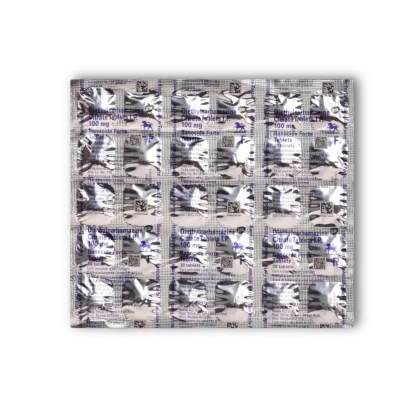
Banocide Forte 100 mg
Eliminates parasitic worms by altering their surface structures, making them vulnerable to your immune system defenses.
 Filariasis Medications
 Living with the physical impacts of a parasitic infection like filariasis can feel isolating and overwhelming, especially when managing the resulting swelling or skin changes. Understanding that these symptoms have a biological cause is the first step toward effective management. Two formulations are listed below, specifically targeting the parasites responsible, including diethylcarbamazine-based treatments like Banocide Forte and Hetrazan.
Eliminates parasitic worms by altering their surface structures, making them vulnerable to your immune system defenses.
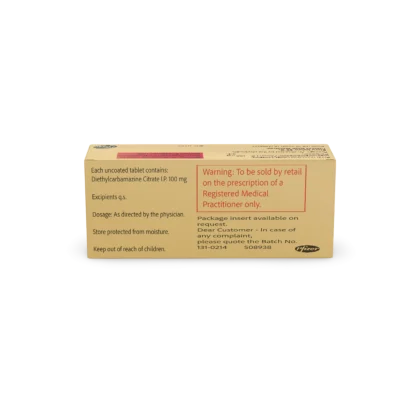
Eliminates parasitic worms from the bloodstream and tissues by altering their surface layers for immune clearance.
Filariasis describes a group of tropical infections caused by thread-like parasitic worms. These parasites reside in the human lymphatic system, which is a vital part of your body’s immune network responsible for maintaining fluid balance and fighting infection. When the balance of this system is disrupted by long-term parasitic activity, symptoms like significant swelling, thickening of the skin, and persistent discomfort may emerge.
While the infection often begins with few noticeable symptoms, the progression can have a profound impact on daily activities and mobility. Addressing the root cause—the parasitic involvement within the lymphatic tissues—is essential for stabilizing the condition. Healthcare providers diagnose the infection through blood tests, often timed to detect the parasites when they are most active in the bloodstream.
Managing filariasis focuses on clearing the body of the parasitic worms to stop their cycle of reproduction and prevent further damage to the lymphatic system. Treatment revolves around anti-parasitic medications, which are chosen based on the specific strain of the parasite and your overall health status. Diethylcarbamazine remains a primary choice in many international markets to reduce the parasite count effectively.
Beyond direct anti-parasitic therapy, treatment often includes supportive care aimed at managing complications like secondary skin infections or fluid accumulation. In regions where filariasis is endemic, public health initiatives often facilitate large-scale administration of these medicines. Regardless of the setting, the goal remains the same: stopping the infection cycle and preventing long-term physical damage to the surrounding tissues.
The landscape of treatments for this condition is centered primarily on anti-parasitic agents designed to eliminate the organisms from the bloodstream. Understanding how these medications function can help you have a more informed discussion with your healthcare provider about your specific treatment path.
The most common approach utilizes diethylcarbamazine, a medicine that works by altering the surface properties of the parasites. This change makes them vulnerable to your body’s immune system, which then works to identify and clear the organisms. These treatments are typically taken over several days or weeks, depending on the severity of the infection and your individual response to the medication.
While anti-parasitic pills target the cause, supportive measures help manage the external symptoms produced by the infection. If the infection has caused skin or lymphatic issues, your provider might discuss hygiene practices or physical therapy techniques alongside medication. These adjunct approaches do not treat the parasite itself but are intended to increase your comfort and protect your skin while the primary medication takes effect.
Before beginning an anti-parasitic regimen, your healthcare provider will evaluate your cardiovascular and renal health to ensure the treatment is suitable for you. Because these medications can trigger a reaction as the parasites are cleared, they are often initiated at a lower or gradual dose to minimize sensitivity. Always inform your provider of all other medicines you are taking, as potential interactions with other systemic therapies must be managed carefully.
The most common experiences during treatment relate to the body’s immune reaction to dying parasites. You might notice fever, skin rashes, or muscle aches shortly after beginning the medication. These are not typically symptoms of the drug itself but are instead signs that the anti-parasitic action is occurring. Such reactions are usually temporary and are closely monitored by your clinical team.
Specific health conditions, such as existing ocular issues or certain types of heart conditions, can influence how these medicines are dosed. Your liver and kidney function should be assessed, as these organs are responsible for processing the medication. Product labeling and verified clinical sources remain the correct references for specific contraindications, interactions, and potential reactions.
This page provides an educational overview of filariasis and the medication categories listed — not medical advice. Individual products differ in active ingredient, formulation, strength, and directions. The page does not authorize self-directed selection, clinical interpretation, or unsupervised use. Readers should review individual product labeling and speak with a healthcare professional when clinical judgment is needed.