
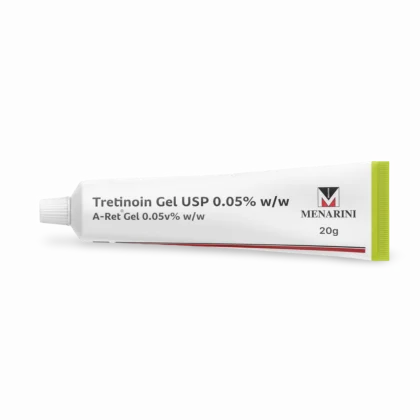
A Ret Gel 0.025% (20 gm)
Accelerates skin cell renewal to clear blocked pores, fade acne marks, and smooth surface lines.
 Fine Wrinkles Medications
 Noticing changes in your skin, such as the appearance of fine lines and wrinkles, can feel like a significant shift in how you see yourself. These signs are a standard part of life, reflecting years of expressions and environmental exposure. While these changes are natural, various topical and systemic options exist to support skin texture and smoothness.
Accelerates skin cell renewal to clear blocked pores, fade acne marks, and smooth surface lines.
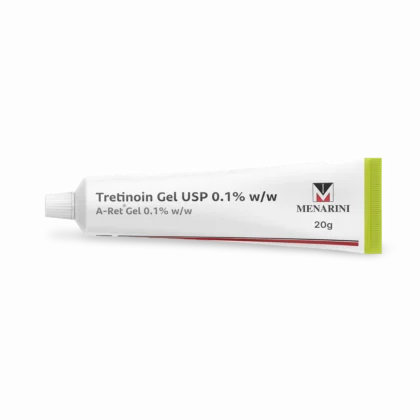
Accelerates skin cell turnover to clear blocked pores, smooth texture, and reduce the appearance of fine wrinkles.
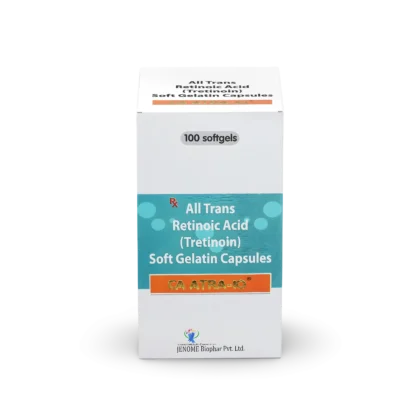
Accelerates skin cell renewal to clear blocked pores, fade acne marks, and smooth surface skin lines.
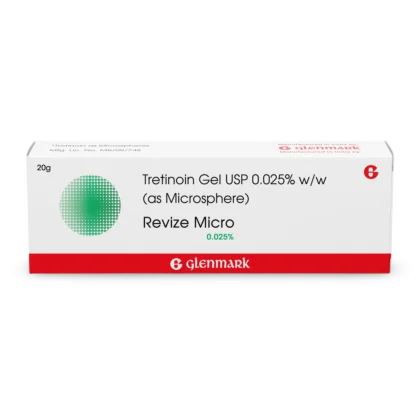
Accelerates skin cell turnover to clear blocked pores, fade acne marks, and smooth surface skin texture.
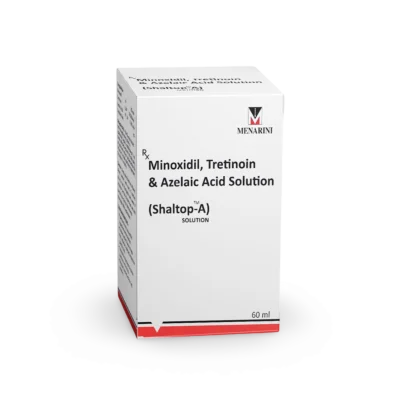
Combining localized stimulation for hair follicles with accelerated cell turnover to clear pores and refine skin texture.
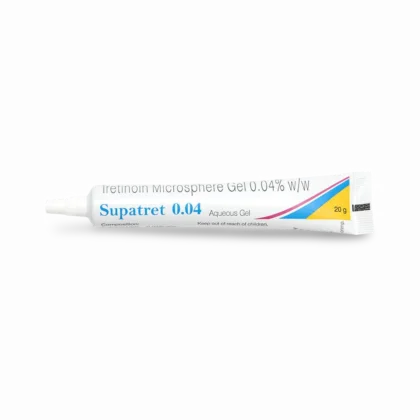
Accelerates skin cell renewal to clear blocked pores, fade acne marks, and smooth surface lines.
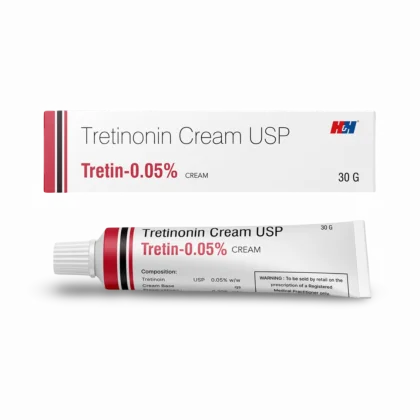
Accelerates skin cell renewal to clear blocked pores, fade acne marks, and smooth surface lines.
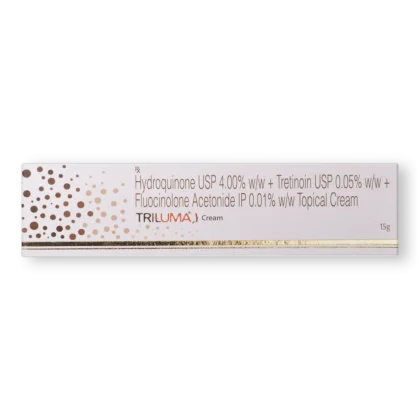
Addresses skin discoloration by slowing melanin production, reducing inflammation, and accelerating the natural cycle of skin turnover.
Fine wrinkles are shallow, delicate lines that typically appear around the eyes, mouth, and forehead. They develop as the skin loses elasticity and the underlying structure—composed of collagen and elastin—weakens. Over time, the skin’s natural process of cell turnover slows, leading to a thinner appearance that is more prone to surface-level lines.
Beyond the natural aging process, external factors play a considerable role in the development of wrinkles. Cumulative exposure to ultraviolet light from the sun is one of the primary drivers, as it damages the integrity of the skin’s support system. Repetitive facial expressions, environmental pollutants, and lifestyle factors also contribute to these changes, making them a common concern for people in many life stages.
The treatment landscape for fine wrinkles focuses primarily on accelerating skin turnover and stimulating collagen production. Topical agents are the standard approach for addressing these concerns. These treatments work by interacting with skin cells to encourage the shedding of dead surface layers and supporting a more uniform appearance.
Many of these formulations belong to the retinoid class, which are derivatives of vitamin A. These compounds are widely recognized for their ability to improve the appearance of skin texture and tone. In addition to single-ingredient retinoids, some treatment approaches utilize combination creams that blend multiple active agents to address pigmentation and texture simultaneously. Access to these medications follows local pharmacy regulations across global markets, often requiring professional guidance to ensure the formulation aligns with your skin type.
Navigating options for skin texture requires understanding the distinct roles these medications play. While they all aim to improve the appearance of the skin, their formulations differ in intensity and delivery.
Retinoids like tretinoin are staples in long-term skin care regimens. They function by speeding up the rate at which your skin produces new cells, which helps smooth the surface and diminish the appearance of fine lines. These gels and creams vary by concentration, allowing for different levels of intensity as your skin adjusts.
Some products combine multiple active ingredients to offer a multi-faceted approach. For instance, certain creams incorporate retinoids alongside other agents designed to address associated skin discoloration. These formulations are often intended to provide a comprehensive effect on both surface texture and overall brightness, rather than focusing on a single aspect of skin aging.
Prior to beginning any topical retinoid or active skin treatment, it is important to assess your skin’s sensitivity. These medications are potent and require a period of adjustment. Starting with lower concentrations or applying the product periodically can help your skin build tolerance.
Common reactions to retinoid-based treatments include temporary dryness, redness, or peeling as the skin initiates its accelerated turnover process. These effects are often most noticeable during the first few weeks of consistent use. Proper moisturizing and diligent daily sun protection are essential when using these treatments, as they may increase skin sensitivity to sunlight.
Always inform a provider about any other dermatological products or chemicals currently in your routine. Combining strong acids, scrubs, or other irritants with retinoids can cause significant discomfort or irritation. Your overall skin health, history of sensitivity, and current medications should be discussed to ensure your chosen approach is appropriate for your individual profile.
Product labeling and verified clinical sources remain the correct references for specific contraindications, interactions, and potential reactions.
This page provides an educational overview of fine wrinkles and the medication categories listed—not medical advice. Individual products differ in active ingredient, formulation, strength, and directions. The page does not authorize self-directed selection, clinical interpretation, or unsupervised use. Readers should review individual product labeling and speak with a healthcare professional when clinical judgment is needed.